Science of Reading Microcredential
A free, 10-hour, online microcredential that helps educators connect reading science theory to classroom instructional practice.
Get Ready
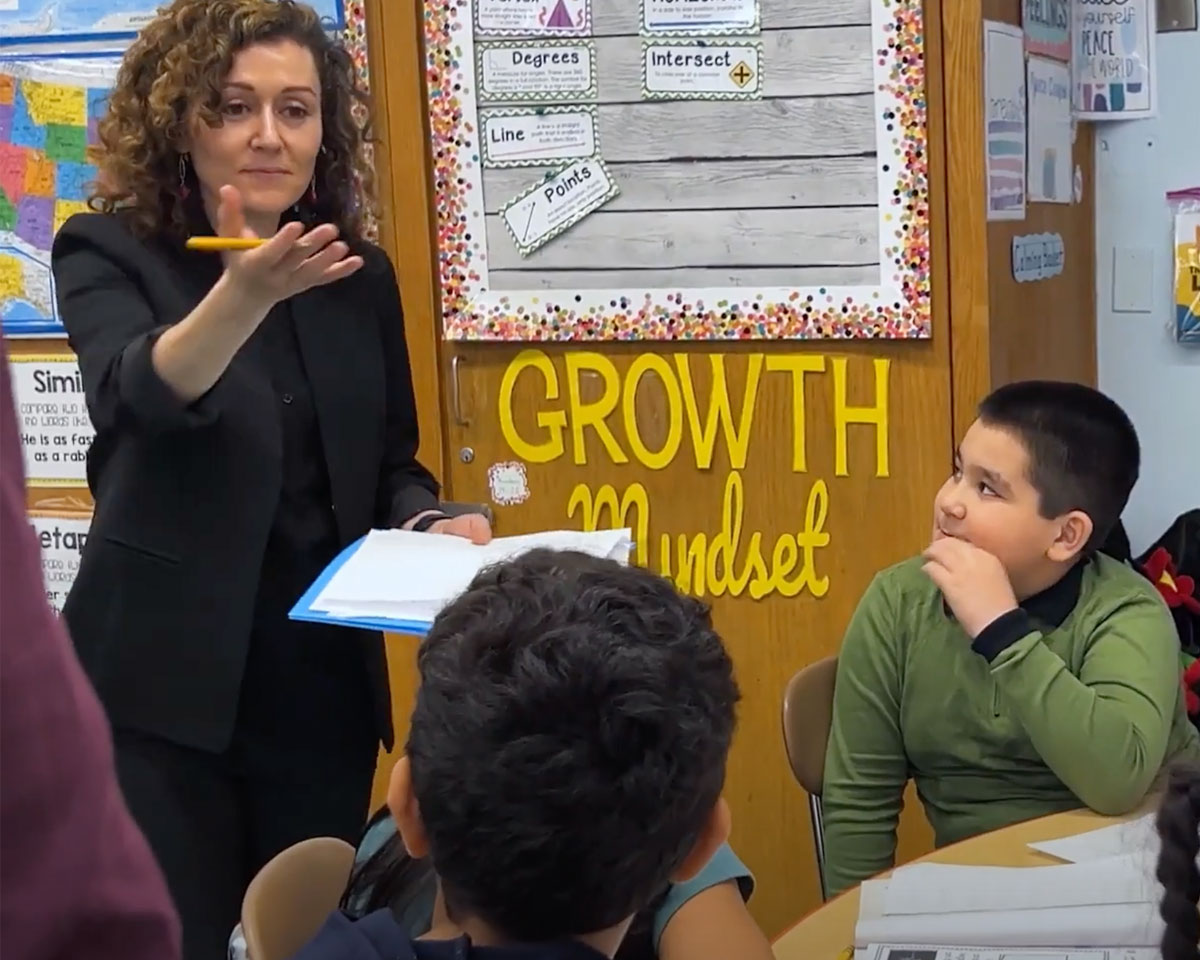
Sweeping changes to literacy instruction are happening in New York City, and this free, 10-hour, online microcredential will help teachers meet the moment. Brooklyn College’s Science of Reading microcredential is structured into 10 interactive modules that feature video instruction, real-classroom examples, and assessments that reinforce learning. This course equips teachers with the skills they need to improve literacy outcomes for all students.
Register Today
The course is for free to current Brooklyn College students, as well as students CUNY-wide. Registration is quick and easy.
10
CTLE Credits
Free
Microcredential
100%
Online and Asychronous
Program Details
Course Content
The course is organized into 10 one-hour modules. You have one month to complete the course. This is a fully asynchronous course that may be completed anywhere, on your own time and schedule.
Each of the 10 modules includes video content that blends subject matter expertise with classroom application and examples, along with interactive checks for understanding and graphics to support learning throughout the course.
- Module 1: Introduction: Why Are We here?
- Module 2: Science of Reading Theory
- Module 3: Oral Language, Phonological Awareness, and Phonemic Awareness
- Module 4: Orthographic Mapping, Phase Theory, and Phonics
- Module 5: Phonics, Part 2
- Module 6: Fluency
- Module 7: Vocabulary
- Module 8: Comprehension
- Module 9: Writing
- Module 10: Literacy and Neurodivergence
Cost
The course is currently offered for free to Brooklyn College students and alumni and to students CUNY-wide.
Additional Features
Checks for Understanding
At the conclusion of each module, participants complete one to three interactive checks for understanding, including multiple choice questions, matching and sorting activities, fill-in-the-blank activities, and reflection probes to support knowledge building.
Supplemental Materials
Every module offers links to downloadable resources to help participants extend their learning.
Pre- and Post- Knowledge Surveys
Participants complete pre/post surveys, designed to capture growth in their knowledge of reading-science concepts and theories as well as the development of their linguistic skills.
Upon Completion
Upon completion of the course, you will receive 10 CTLE credits, which go toward renewing your professional teaching license.
You may also take this for your own knowledge building if you are interested in supporting literacy, in general.
CUNY students should note that schools and educational organizations are looking for people with science of reading training so we recommend you include this microcredential on your résumé to help you stand out with future employers.
Contact Us
- For registration questions, email Savannah Endicott.
- If you are interested in the microcredential, but you are not a NYCPS teacher or CUNY student/alumni please email Katie Pace Miles.
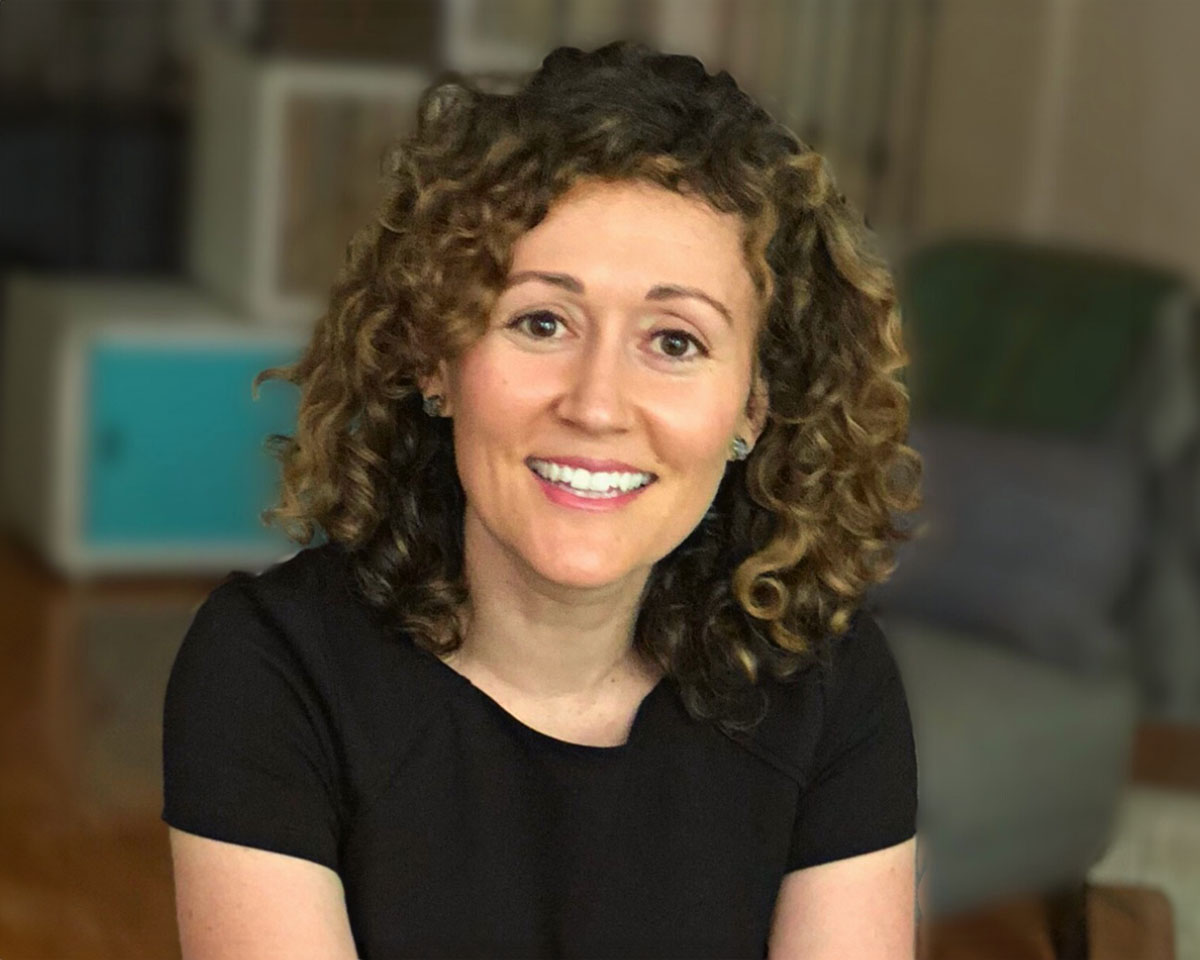
We are proud to offer the Science of Reading microcredential and help ensure that teachers have access to high-quality, research-based professional learning to support instruction.
Katie Pace Miles, Ph.D.
Associate Professor and Director of Reading Science Advanced Certificate, Founder and President of The Reading Institute
More Reading Science Offerings
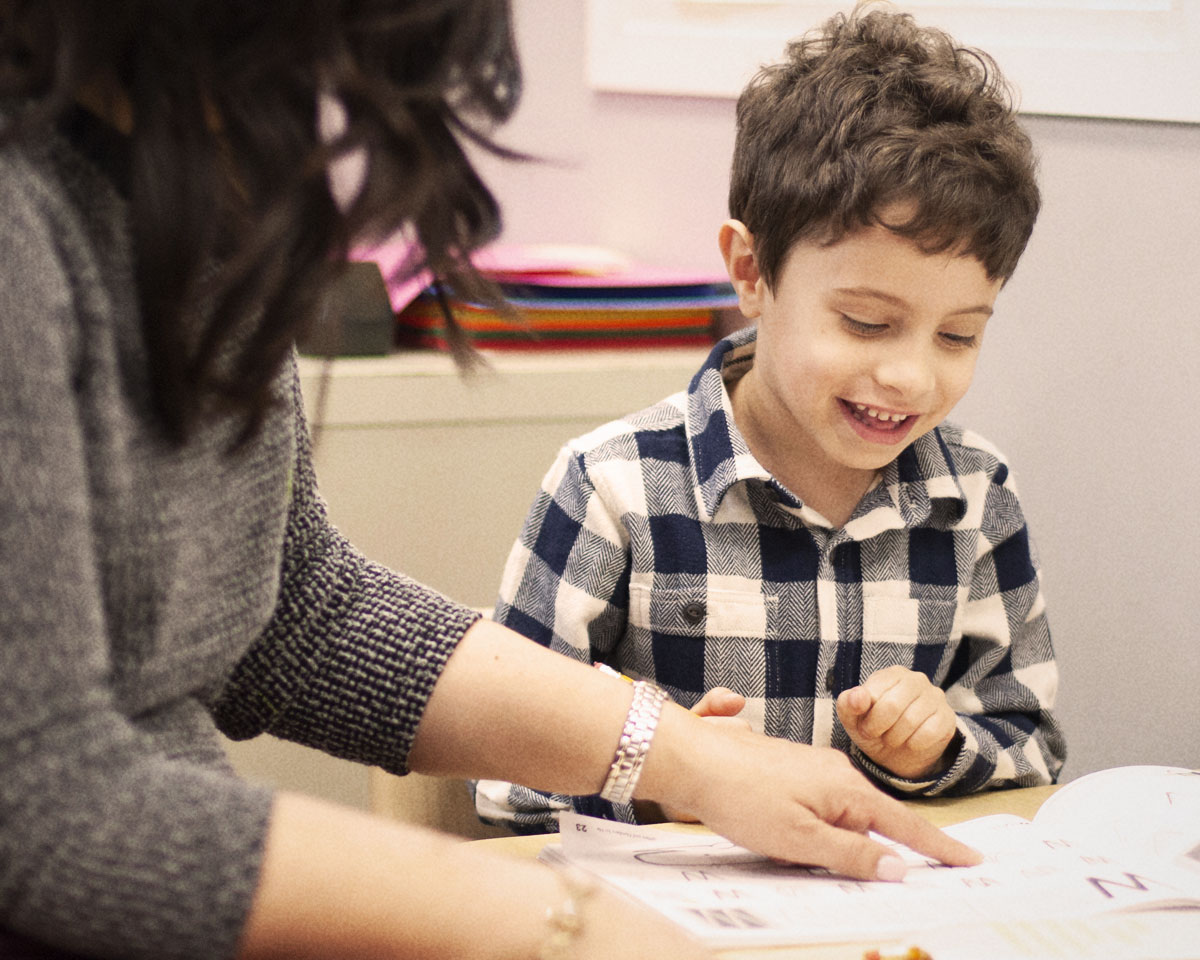
Brooklyn College offers two, online advanced certificates in reading science for educators working across all grade levels. Within one year, these online programs provide a comprehensive understanding of the cognitive underpinnings of literacy, reading assessment, reading disorders, interventions for older students, and more.
Our Partners
This program is made possible through support from the Heckscher Foundation for Children, the Benedict Silverman Foundation, The Reading Institute (TRI), CUNY, and New York City Public Schools.