English, M.A.
School of Humanities and Social Sciences
Program Overview
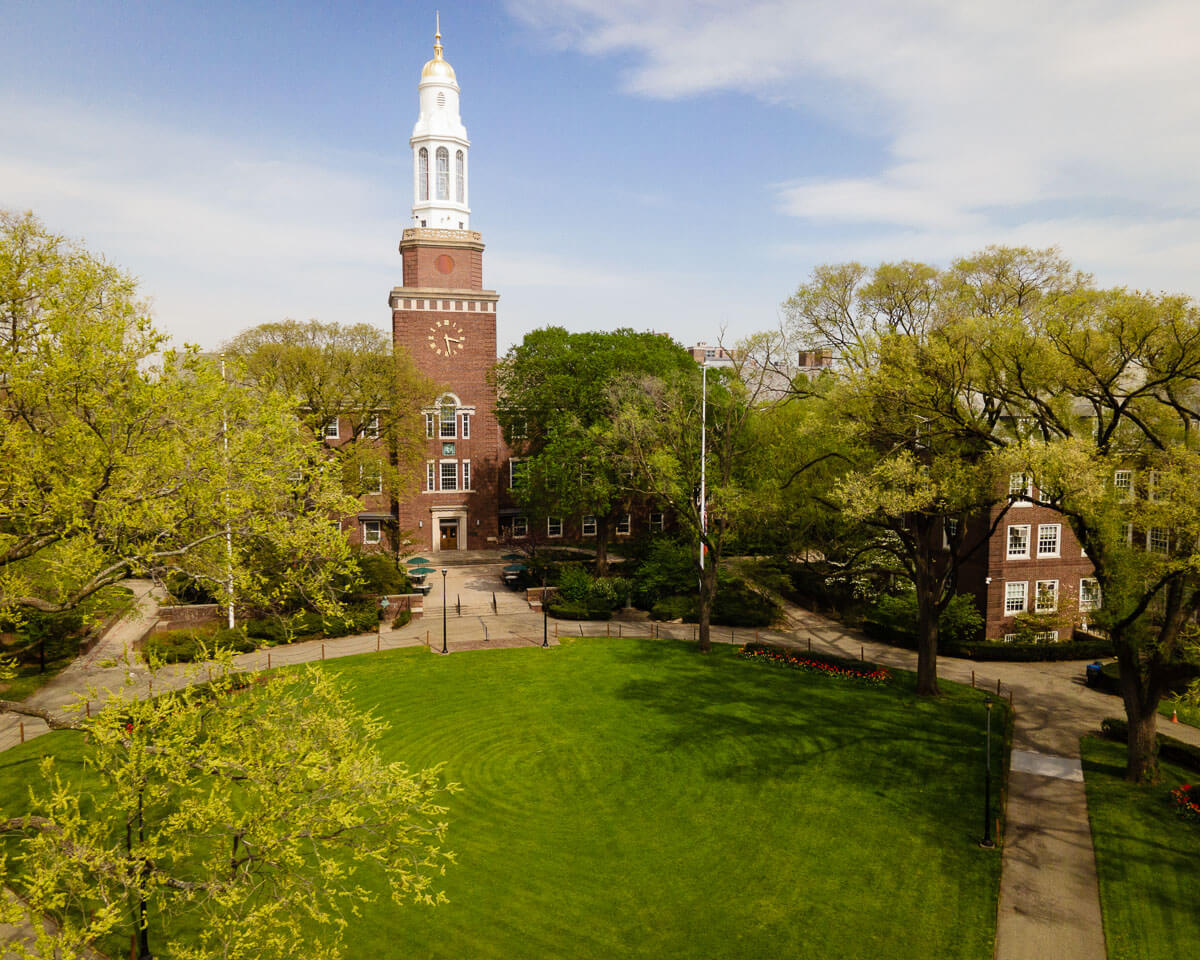
The Master of Arts in English develops familiarity with literature from a wide range of writers, geographies, experiences, and sensibilities, and provides instruction in different theoretical concepts and critical methods that can be employed in literary analysis. The literature we study extends from the medieval era to the present, in works originally written in English, as well as global works accessible in translation from the Americas, Africa, Asia, and Europe. Our courses explore the extraordinary capacity of literature to excite the imagination and express different perspectives about the world. We are committed to addressing issues of aesthetic, political, and cultural significance, and to building a community where our students, whose diversity we cherish, can enrich their own knowledge, even as they benefit others by the insights they share.
Upcoming Events
Program Details
The program information listed here reflects the approved curriculum for the 2026–27 academic year per the Brooklyn College Bulletin. Bulletins from past academic years can be found here.
Program Description
NYSED Program Code: 02044
The Master of Arts in English program immerses students in literature dating from the Middle Ages through the present. Through the study and analysis of a variety of literary texts, critical and theoretical approaches (including, among others, new historicism, reader-response theory, deconstruction, feminist criticism, and post-colonial studies), and historical concepts, students are afforded the opportunity to develop individual interpretations of texts and to evaluate controversies surrounding the canon. Small-group tasks, oral presentations, short papers, and longer research papers complement lectures, discussions, and examinations. Travel and research grants are available to our students, several of whom have presented at graduate colloquia at Brooklyn College and at other universities throughout the country and abroad, or have had papers accepted for publication in journals.
Our graduates have found new employment or enhanced their present careers in diverse fields including education, publishing, writing for both for-profit and nonprofit organizations. Others have been accepted into doctoral programs.
Matriculation Requirements
Applicants must:
- offer at least 15 credits in advanced courses in English literature;
- have a minimum undergraduate grade point average of 3.00;
- submit a sample of critical writing of about 10 pages, and
- submit a two-page statement of academic purpose.
Applicants for whom English is a second language are required to pass the Test of English as a Foreign Language (TOEFL) with a score of 650 on the paper-based test or 280 on the computer-based test, or 114 on the Internet-based test before being considered for admission.
General matriculation and admission requirements of graduate studies are in the section “Admission.”
NonDegree Applicants
- This program offers a 22-credit, nondegree, certification-only option.
- This option is for applicants who have already earned an English, M.A. (having acquired 30 credits in English or literary studies).
Program Requirements (30 Credits)
Thirty credits are required for the degree.
Courses in English and comparative literature are grouped in the following areas of study:
- Literature before 1500: English 7101X, 7102X, 7103X, 7120X, CMLT 7130X.
- Literature from 1500 to 1800: English 7201X, 7202X, 7203X, 7204X, 7205X, 7206X, 7207X, 7220X, CMLT 7230X.
- Literature from 1800 to 1900: English 7301X, 7302X, 7303X, 7304X, 7305X, 7320X, CMLT 7330X.
- Literature from 1900 to the present: English 7401X, 7402X, 7403X, 7404X, 7405X, 7406X, 7420X, CMLT 7430X.
- Theory and criticism: English 7501X, 7502X, 7503X, 7504X, 7505X, 7506X, 7507X, 7508X, 7520X.
- Language: English 7601X, 7602X, 7603X, 7604X, 7605X, 7620X.
Ten courses are required to complete the thirty credits for the degree. The following courses are required: English 7501X; English 7800X; English 7810X.
In consultation with the graduate deputy, students must identify one of the six areas listed above in which to specialize, and complete three courses in that area, for area-specialization credit. Three of the remaining four courses can be taken from different areas, with no more than one course taken per area, for area-distribution credit. The remaining course credits can be taken as elective credits from any of the six areas, but students can also request permission to take English 7010X as an elective, if that course is relevant to their focus.
Students must complete English 7501X, which satisfies the area 5 credit,
by the end of their third semester. It is recommended that students take the course in their first or second semester.
Early in the first term, students must meet with the graduate deputy to plan their program of study for the degree. It is recommended that students thereafter consult with the graduate deputy at least once a semester to discuss and plan further their degree progress.
Students must submit a thesis acceptable to the department on a subject related to their areas of literary and critical interests.
A reading knowledge of a foreign language is strongly recommended. Students who intend to study toward a doctoral degree are advised to become proficient in college-level foreign language study.
Courses in the English Department offered toward the degree must be 7000-level courses.
Student Learning Outcomes
Department Goal 1: Read and think critically
Program Objective 1: Learn to read literature in its historical context; identify characteristic styles and subject matter of different periods.
Program Objective 2: Learn to read through a variety of critical lenses.
Program Objective 3: Be able to carry out close readings of literary texts.
Department Goal 2: Understand how language operates
Program Objective 1: Be able to identify and demonstrate knowledge of literary terminology.
Department Goal 3: Express ideas–both orally and in writing–correctly, cogently, persuasively, and in conformity with the conventions of the discipline
Program Objective 1: Identify, write, and edit for currently accepted conventions of standard English mechanics, grammar, and style (including proper punctuation, subject-verb and noun-pronoun agreement, parallel construction, appropriate tense sequences and moods, etc.).
Program Objective 2: Learn and follow the conventions of literary argumentation, including formulating thesis statements, and conventions of quoting and citing textual evidence.
Program Objective 3: Learn how to rethink and revise essays.
Department Goal 4: conduct research
Program Objective 1: Learn to develop viable research questions and identify appropriate sources.
Program Objective 2: Learn to use library resources, including collections, databases, and archives.
Program Objective 3: Learn how to summarize and cite both primary and secondary sources in support of the argument.
Program Objective 4: Learn appropriate scholarly conventions, such as MLA Style or Chicago Manual of Style.
Program Objective 5: Learn how to avoid plagiarism by citing sources properly.
Admissions Requirements
- Fall Application Deadline—May 15. Applications after this date may be accepted on a rolling basis until all places are filled.
- Spring Application Deadline—November 15. Applications after this date may be accepted on a rolling basis until all places are filled.
Supporting Documents for Matriculation
Submit the following documents to the Office of Graduate Admissions:
- Transcripts from all colleges and universities attended. Applicants who earned a bachelor’s degree outside the United States need to submit a Course by Course International Transcript Evaluation. See Graduate Admissions for more information.
- Two letters of recommendation.
- A sample of critical writing on literary topics (about 10 pages, typically consisting of undergraduate writing, e.g., one paper or two shorter papers).
- A statement of academic purpose (two pages).
Required Tests
- F-1 or J-1 international students must submit English Proficiency Exam. TOEFL—79, IELTS—6.5, PTE—58–63, Duolingo—105–160.
NonDegree Applicants
This program accepts nondegree applicants. You must submit all documentation required of degree-seeking candidates (e.g., personal/biographical statement, résumé, and transcripts).
I-20 Submission Deadlines
F-1 students who are not currently in the country should submit their I-20 by the following dates to allow sufficient time for visa processing and to meet the semester start date.
- July 15 for fall admission
- December 5 for spring admission
More Information
Refer to the instructions at Graduate Admissions.
Contact
Geoffrey Minter
3149 Boylan Hall
E:
P: 718.951.5000 ext. 3651
Or contact:
Office of Graduate Admissions
222 West Quad Center
2900 Bedford Avenue, Brooklyn, NY 11210
E:
P: 718.951.4536
Office Hours
Mondays–Fridays, 9 a.m.–5 p.m.
Schedule an appointment with a graduate admissions counselor.
The Support You’ll Find
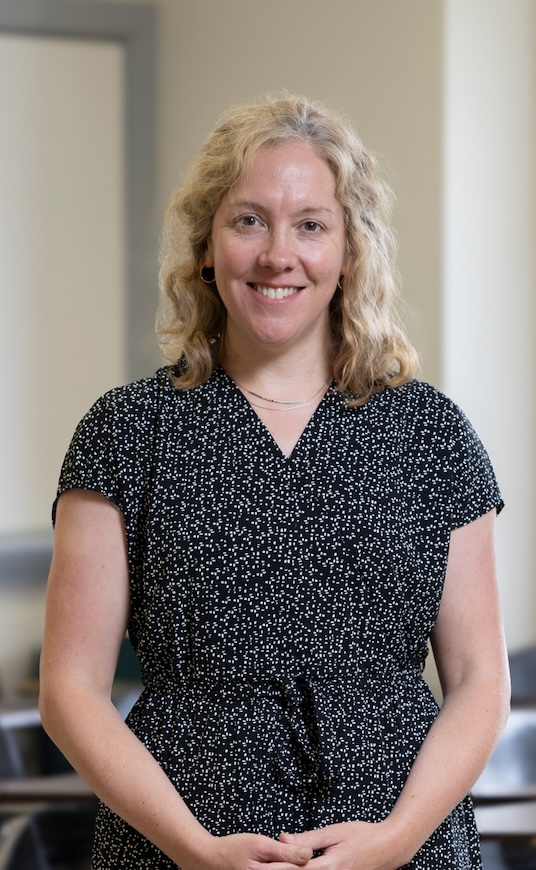
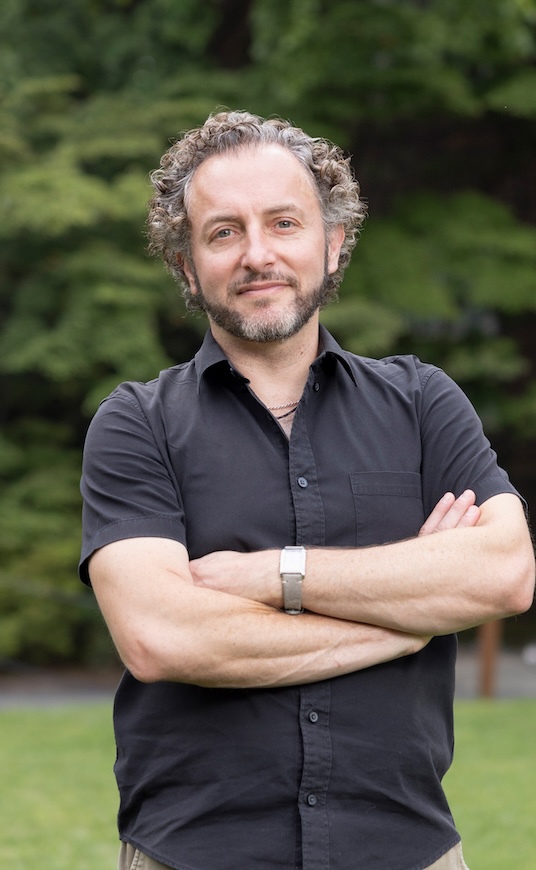
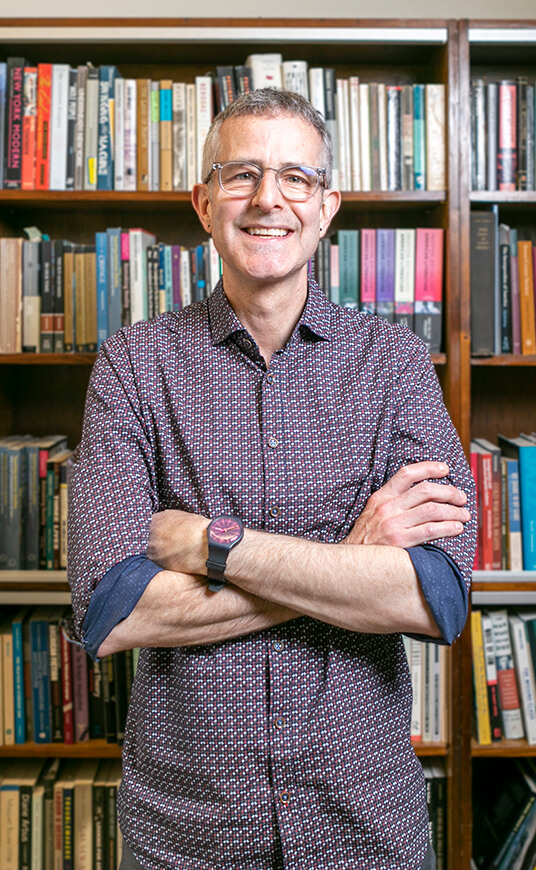
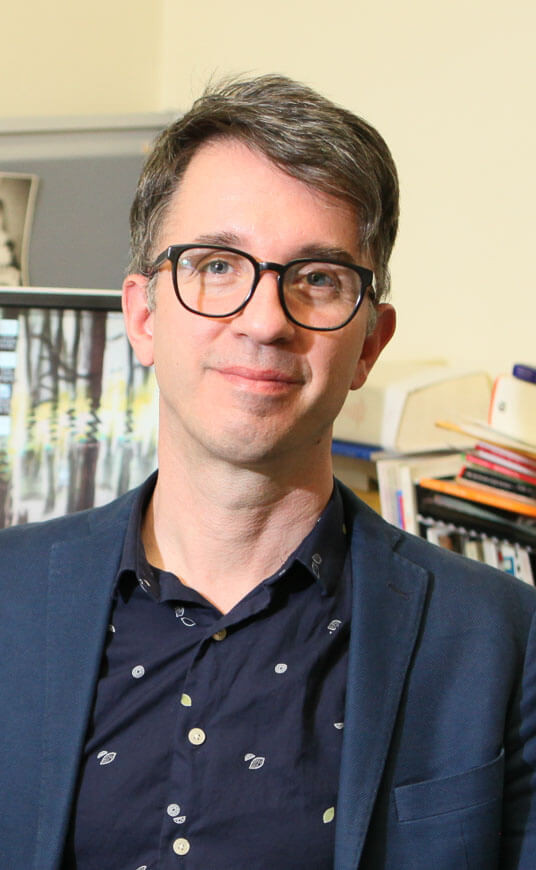
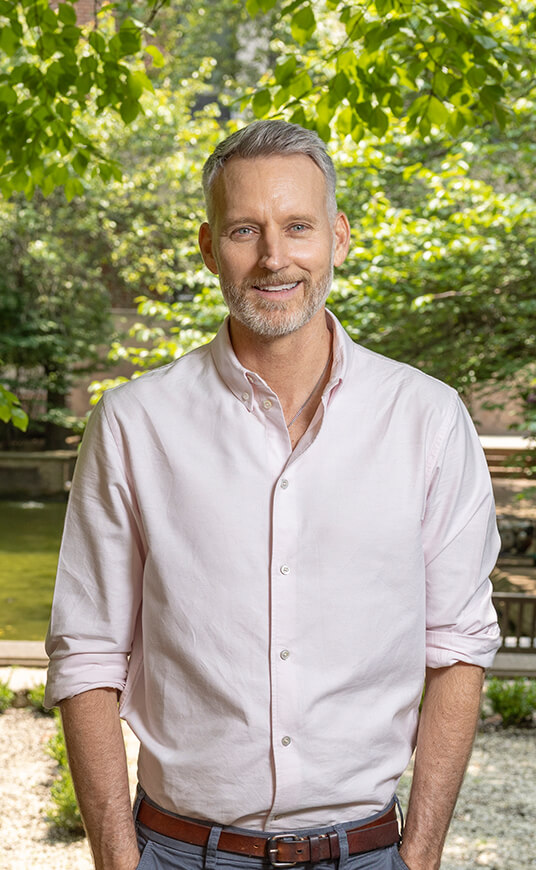
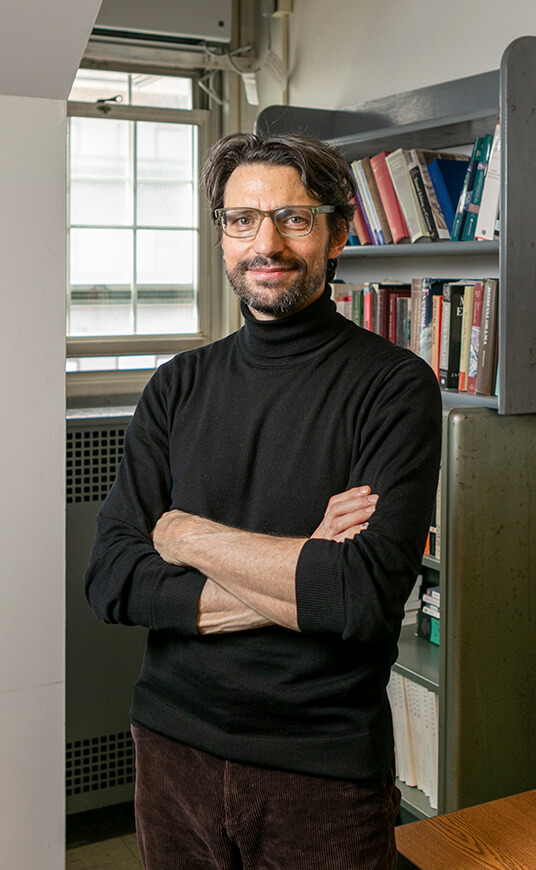
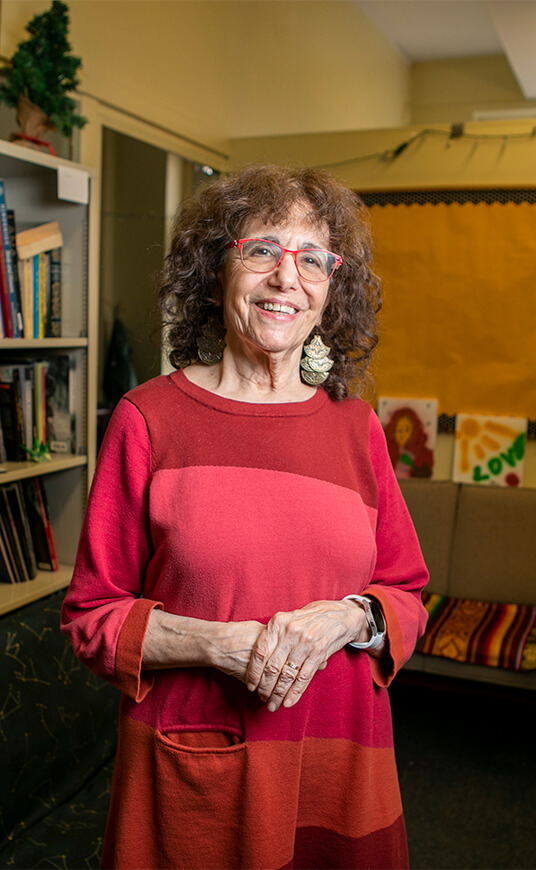
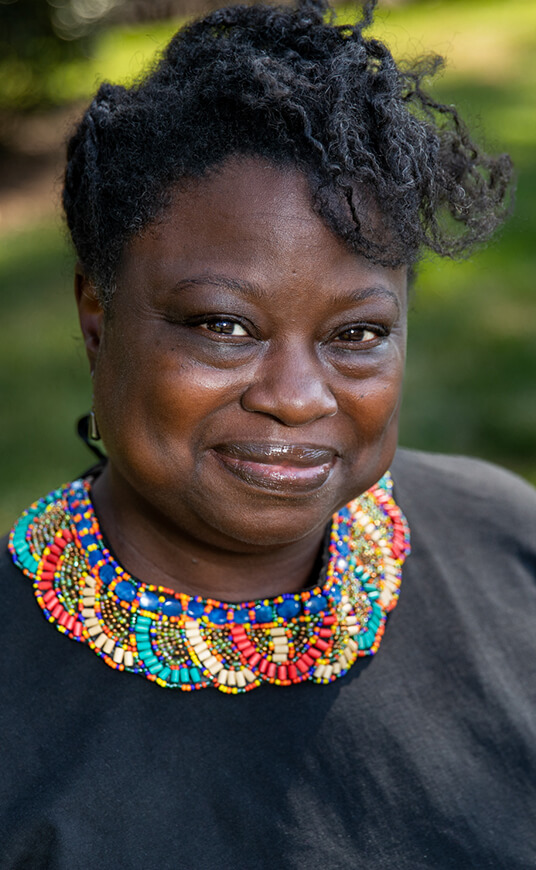
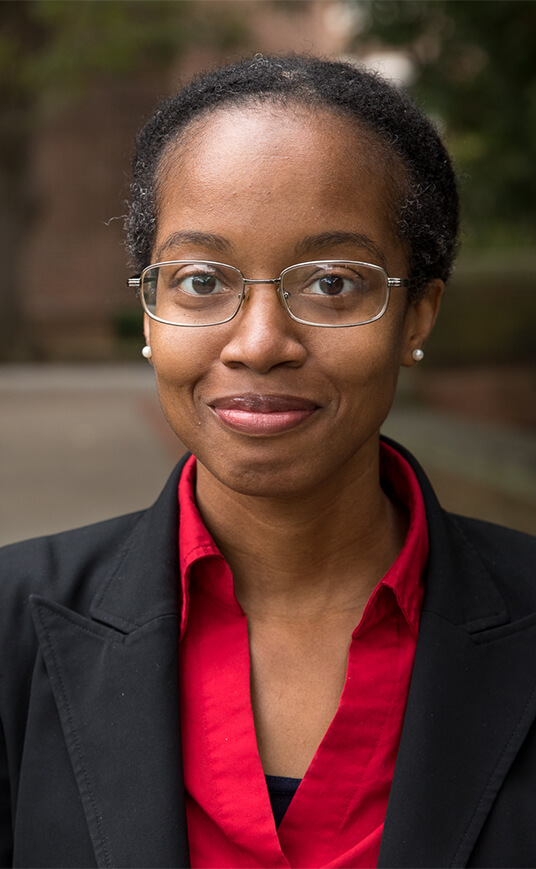
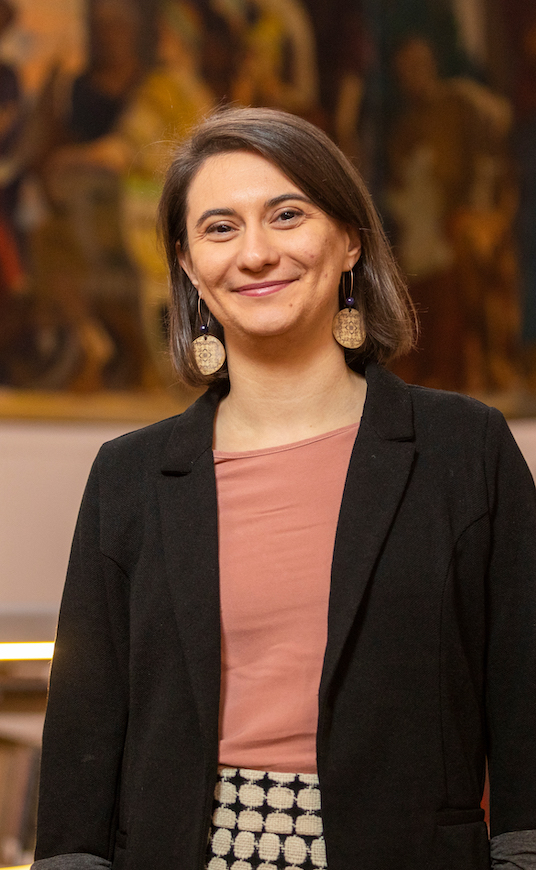
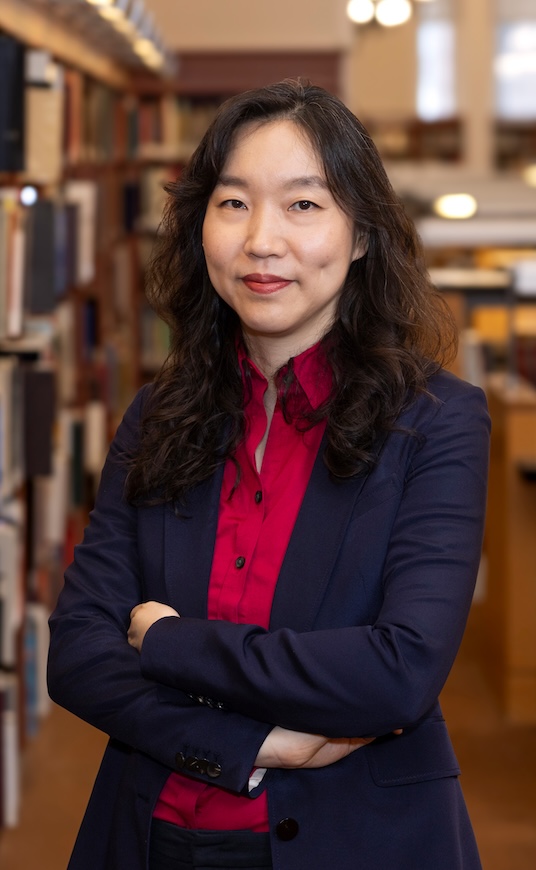
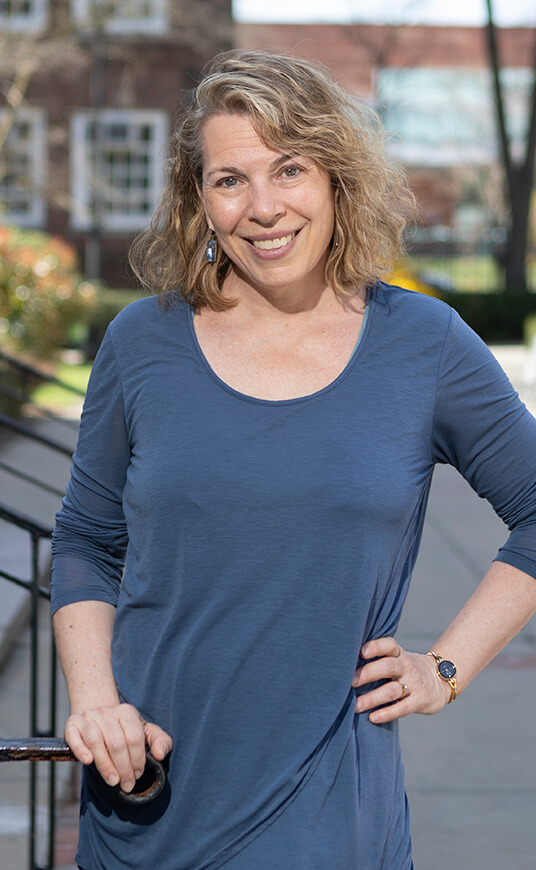
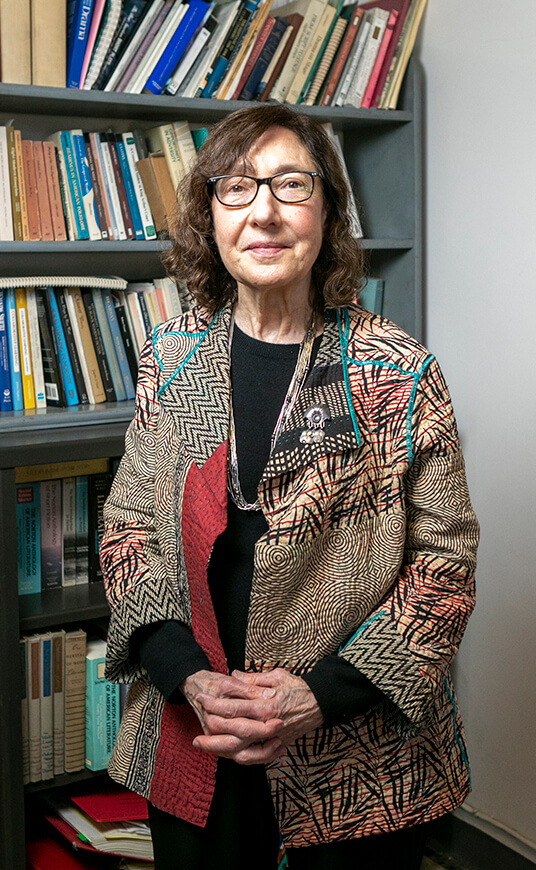
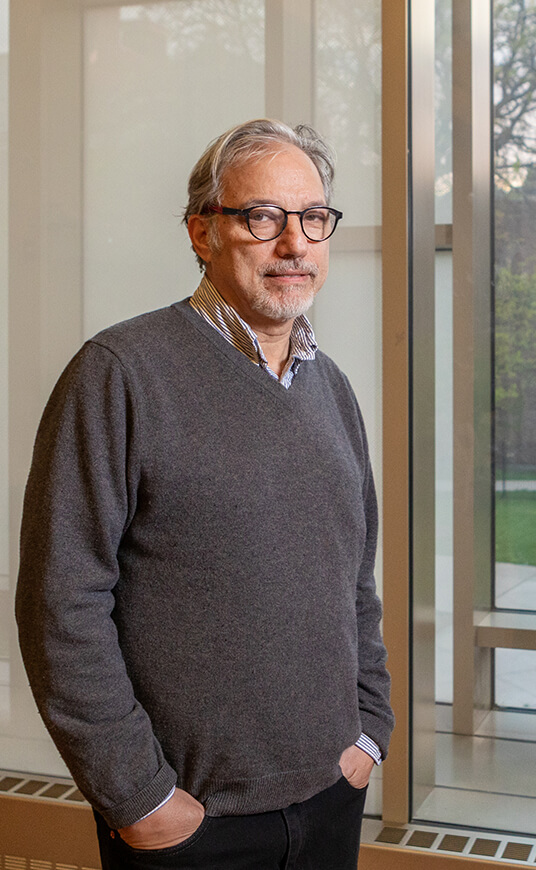
Brooklyn College is an integral part of the cultural and artistic energy of New York City. Our faculty members in the Department of English offer incomparable expertise and tremendous talent, and each brings a unique perspective to their teaching and mentoring in and out of the classroom.





Internships and Employers
Through job fairs, the internship database, and internship panels, the Magner Career Center gives students in the English M.A. program access to internships at a variety of companies. In addition, we have an internship for students who want to work in the English Majors’ Counseling Office, where you will help other students understand their courses and schedules, publish a weekly blog, and publish a literary and arts magazine, The Junction, to which you can contribute even if you are not on the editorial staff.
Brooklyn College English alumni have found employment with many organizations, including:
- ARTNews
- DK
- Embry-Riddle Aeronautical University
- HarperCollins Publishers
- New York University
- NYU Langone Health
- Texas A&M International University
Featured News
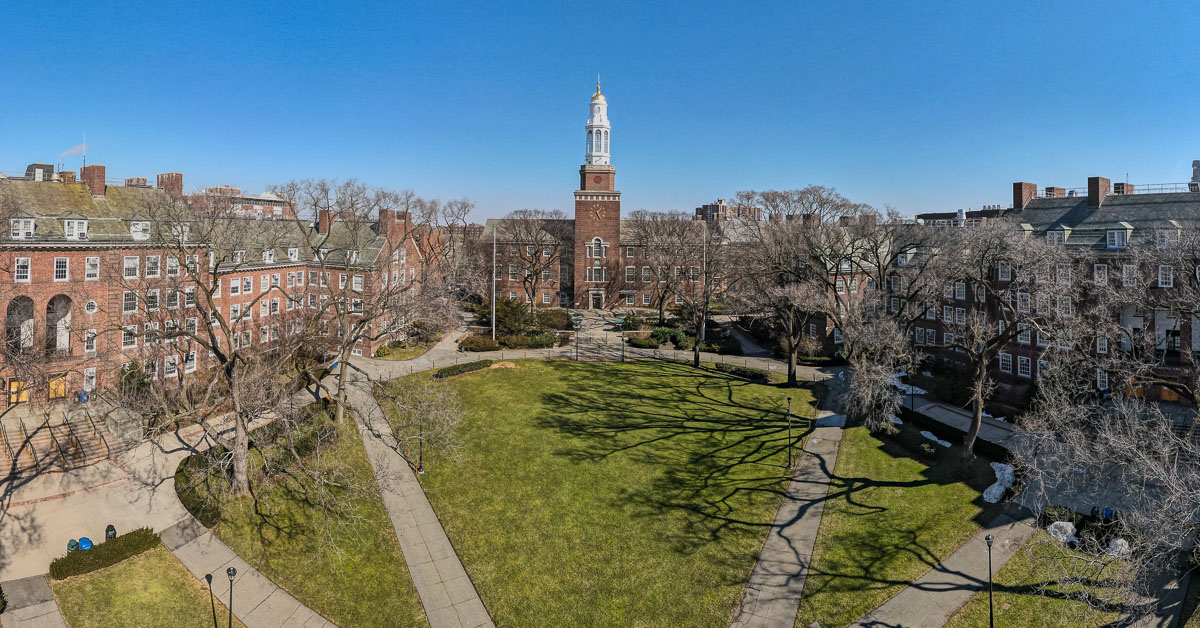
Wolfe Institute Launches Fall 2026 New Books by HSS Faculty Series
Students, staff, and faculty are invited to engage with the latest books from five professors through a series of author talks and discussions.
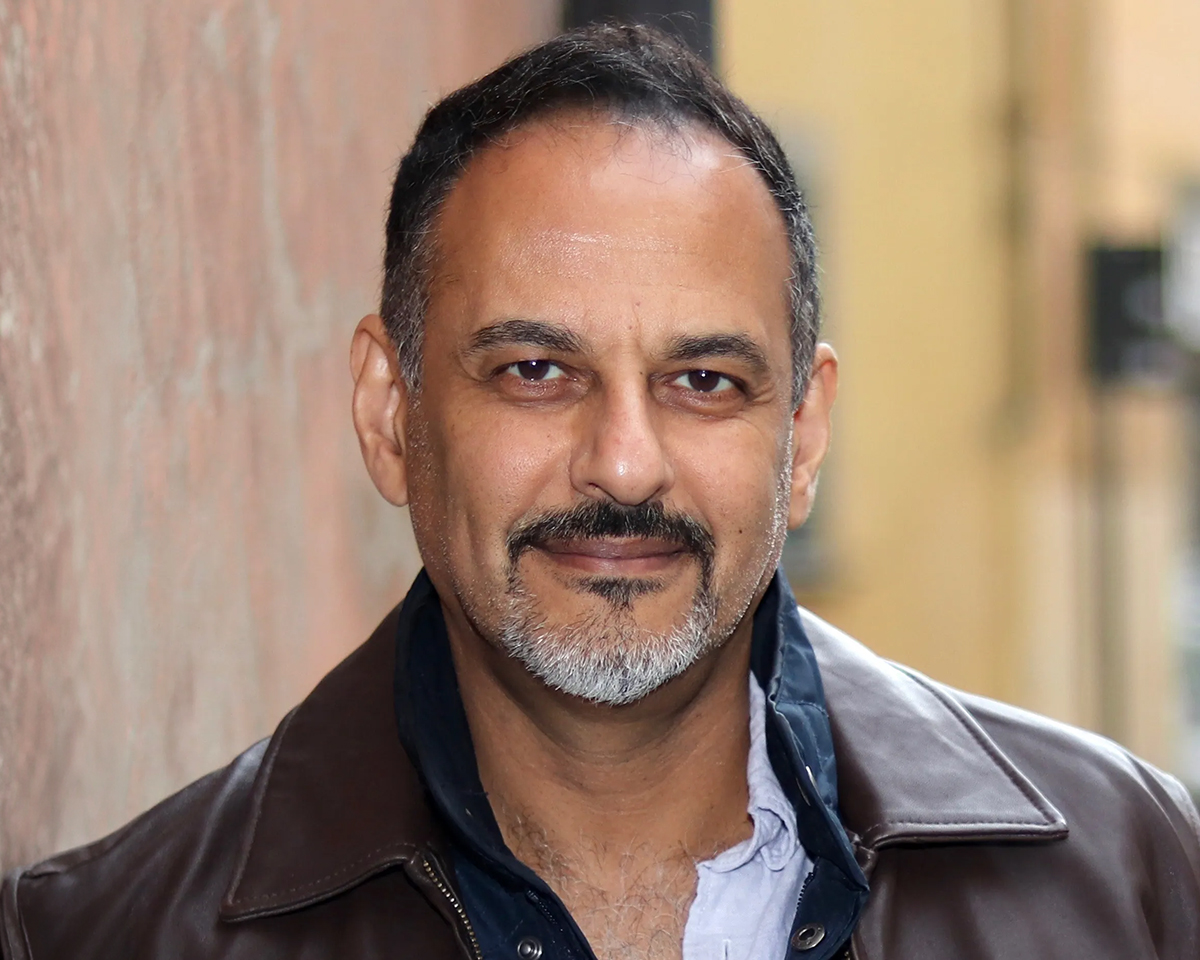
Professor Moustafa Bayoumi Awarded Prestigious Stanford Humanities Fellowship
Nationally recognized scholar will spend the academic year at the university’s Humanities Center advancing a new book project and collaborating with leading researchers from across the humanities.

Brooklyn College Professor Ben Lerner Wins 2026 Orwell Prize for Political Fiction
Widely regarded as one of the most prestigious honors in political writing, the Orwell Prize recognizes works that illuminate the complex intersections of politics, power, and society.