Computational Mathematics, B.S.
School of Natural and Behavioral Sciences
Program Overview
As a computational mathematics student, you will combine your interest in computer science and mathematics and choose between two tracks of study—computational or theoretical. In the computational track, you’ll learn to apply mathematical and computational skills to the physical, biological, social, and behavioral sciences. The theoretical option is designed for students interested in the more abstract parts of computer science and for those interested in college-level teaching and research.
Major Details
The program information listed here reflects the approved curriculum for the 2026–27 academic year per the Brooklyn College Bulletin. Bulletins from past academic years can be found here.
Major Description
NYSED Program Code: 02067
An interdepartmental major offered by the Department of Computer and Information Science and the Department of Mathematics.
The computational option of this program enables students to apply mathematical and computational skills to the physical, biological, social, and behavioral sciences. The theoretical option is designed for students interested in the more abstract parts of computer science and for those interested in college teaching and research.
All mathematics courses offered to satisfy the requirements for a major in computational mathematics must be completed with a grade of C- or higher. Unless otherwise specified in the Bulletin, any mathematics courses used to satisfy a prerequisite for an advanced mathematics elective must be completed with a grade of C- or higher. All computer and information science prerequisites to computer and information science courses must be completed with a grade of C or higher.
Major Requirements (61–69 Credits)
Students should select one of the following tracks:
- Computational
- Theoretical
Additional Requirements
Candidates for a B.S. degree with a major in computer science (including computational mathematics and multimedia computing) must complete at least 60 credits in science and mathematics, 24 of which must be completed in advanced courses numbered 2000 and above in the Department of Computer and Information Science. For the B.S. degree in computational mathematics, these 24 credits must be in the Department of Computer and Information Science and/or the Department of Mathematics. These 24 credits must be completed at Brooklyn College with a grade of C or higher in each course. Specific course requirements for B.S. degrees in the department are described above.
The following courses may be applied toward the 60 credits in science and mathematics:
- All courses in the departments of Biology, Chemistry, Computer and Information Science, Earth and Environmental Sciences, Mathematics, Physics, and Psychology.
- Courses marked with a number sign (#) in the Department of Health and Nutrition Sciences.
- Anthropology 2200, 3199, 3230, 3240, 3250, 3260, 3265, 3266, 3425, 3440, 3470, and 4665.
- Biology 1010, Chemistry 1007, Earth and Environmental Sciences 1010, Math 1311, Physics 1005.
- Core Curriculum [1300 through 1399].
- Core Curriculum 3301 through 3399.
- Core Studies [5, 5.1, 5.2, 7.1, 7.2, 8.1. and 8.2].
- Economics 3400, 3410, 4410, 4422.
- Philosophy 3203, 3204, 3231, 3232, 3422, 3423, 3601, 3605, and 3610.
- Kinesiology 3271, 3275, 3281, 3285, 4229, 4251.
- Sociology 2701.
Program Recommendations
Mathematics 4501 is recommended. It is recommended that students choose electives in departments that prepare them to apply computer science to a particular field of interest. Majors in computational mathematics may substitute Mathematics 2001 for Computer and Information Science 2210 as a prerequisite for computer and information science courses.
Student Learning Outcomes
Students will:
- Demonstrate an understanding of fundamental areas of mathematics and computer science.
- Understand the significance of fundamental mathematical results and computational techniques, and explore their consequences in concrete situations.
- Develop logical reasoning skills and demonstrate an ability to validate statements.
- Be able to design mathematical models and implement computational algorithms to solve real-world problems.
- Communicate effectively mathematical and computational methods and ideas, both orally and in writing.
Degree Maps
To help you pursue your studies in the most efficient manner, and to maximize your efforts to graduate in four years, Brooklyn College has created four-year degree maps for all its majors.
View degree maps for this major and others.
Contact
Jun Hu
Stephen Preston
2312 Ingersoll Hall
E:
P: 718.951.5246
Joseph Thurm
2109 Ingersoll Hall
E:
P: 718.951.5657
Or contact:
Office of Undergraduate Admissions
222 West Quad Center
2900 Bedford Avenue
Brooklyn, NY 11210
E:
To make an appointment with an undergraduate admissions counselor, visit:
Tracks
Computational
Mathematics 1006 and either Mathematics 1011 or 1012. Completion of some or all of these courses may be waived conditional on the outcome of appropriate placement exams.
Mathematics 1201 and 1206. Transfer students may also need to take Mathematics 1211 (see Mathematics Department chair).
All of the following: Mathematics 2001, 2101, 2201, 2206, 3501, 4201, and 4701.
All of the following: Computer and Information Science 1115 or 1170, 3115, 3130, and 3220.
Three courses chosen from among: Computer and Information Science 3240 or Mathematics 3107, Computer and Information Science 3820 or Mathematics 3202, Computer and Information Science 3142, 3160, 3310, 3230, 3350, 3330, 3820, 4335.
Students choosing Option I are also encouraged to minor in distributed and Parallel Computing.
Theoretical
Mathematics 1006 and either Mathematics 1011 or 1012. Completion of some or all of these courses may be waived conditional on the outcome of appropriate placement exams.
Mathematics 1201 and 1206. Transfer students may also need to take Mathematics 1211 (see Mathematics Department chair).
All of the following: Mathematics 2001, 2101, 2201, 3101, 4101, and 4201.
All of the following: Computer and Information Science 1115 or 1170, 3115, 3130, 3220, 3230, and 4900 or 5001.
Three of the following: Computer and Information Science 3240 or Mathematics 3107, Computer and Information Science 3142, 3160, 3350, 3330, 3820, 4335.
The Support You’ll Find
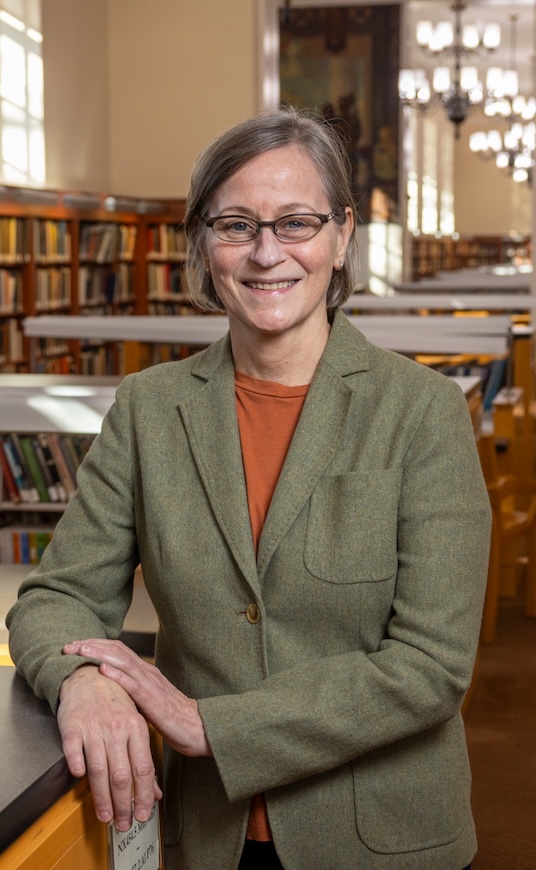
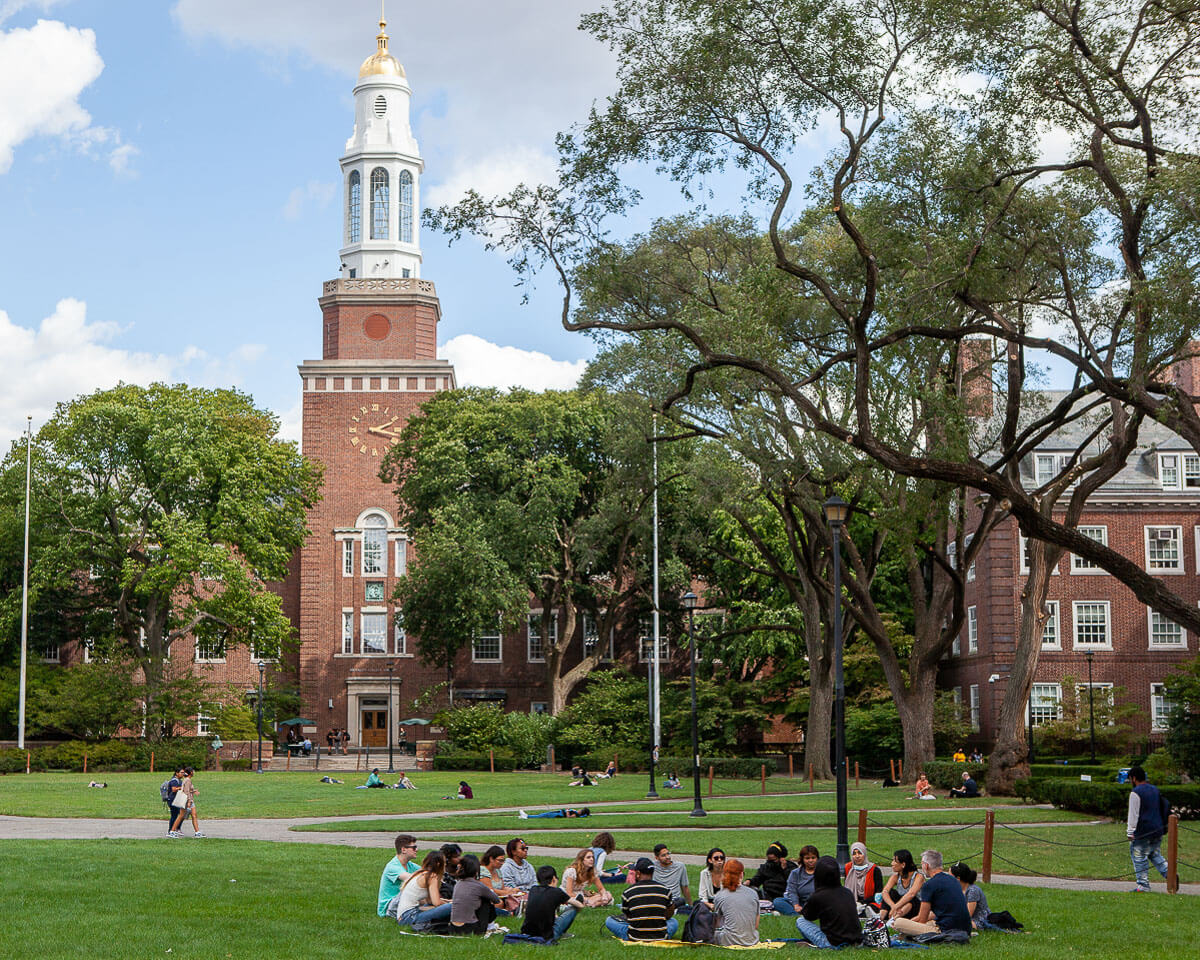
Brooklyn College is an integral part of the cultural and artistic energy of New York City. Our faculty members in the departments of Computer and Information Science and Mathematics offer incomparable expertise and tremendous talent, and each brings a unique perspective to their teaching and mentoring in and out of the classroom.










Internships and Employers
Through job fairs, the internship database, and internship panels, the Magner Career Center gives students in the computational mathematics B.S. program access to career opportunities at a wide variety of employers, including:
- Ansys
- Barclays
- Booz Allen Hamilton
- Lawrence Livermore National Laboratory
- Loon
- MassMutual
- Meta
- NASA
- Raytheon Missiles & Defense
- UnitedHealth Group