Audiology, Au.D.
School of Humanities and Social Sciences
Program Overview
The audiology program incorporates comprehensive academic and clinical training under a nationally and internationally recognized doctoral faculty. Externship placement opportunities at world-renowned medical centers and clinical facilities provide students with clinical experiences in early identification, comprehensive assessment, and audiologic habilitative/rehabilitative services delivered to the diverse multicultural, multiethnic population residing in the New York metropolitan area.

Program Details
The program information listed here reflects the approved curriculum for the 2025–26 academic year per the Brooklyn College Bulletin. Bulletins from past academic years can be found here.
Program Requirements (97 Credits)
NYSED Program Code: 31189
- 97 credit curriculum completed over a four-year period
- First examination: written examination administered between first and second semesters of year 2
- Internship practicums: three internship practicum across the three CUNY campus audiology clinics (Brooklyn College, Graduate Center, and Hunter College)
- Second examination: oral evaluation administered during the spring semester of year 3
- At least 1,820 clinical contact hours through at least 3 semesters of supervised internship (on-site) clinical practicum followed by 3 semesters of externship (off-site) clinical practicum followed by a full-time supervised 12-month audiology residency (off-site)
- Completion of a capstone project including a written paper and a poster presentation of the project. Final projects can have a wide range (e.g., research-based investigation in clinical or basic science areas, systematic review, retrospective studies, survey research, development of a research-based clinical protocol, outcomes assessment, normative studies, evaluation of current practice patterns, and meta-analysis of data.) The capstone project may or may not include human subjects.
- Upon graduation, each degree candidate who qualifies may apply for New York State licensure and national certification.
Courses
This is a lockstep 4 year program.
AUDI 8000, AUDI 8010, AUDI 8030, AUDI 8050 (elective), AUDI 8090 , AUDI 8100, AUDI 8120, AUDI 8160 (elective), AUDI 8180, AUDI 8200, AUDI 8250, AUDI 8280, AUDI 8300, AUDI 8320 , AUDI 8330, , AUDI 8350, AUDI 8400 (Elective), AUDI 8420 , AUDI 8430, AUDI 8460, AUDI 8480, AUDI 8500 , AUDI 7600, AUDI 8630, AUDI 8640 , AUDI 8650 , AUDI 8670 (Elective), AUDI 8680, AUDI 8700, AUDI 8720, AUDI 8740, AUDI 8780 , AUDI 8800 (Elective), AUDI 8900, AUDI 8901, AUDI 8902, AUDI 8903, AUDI 8904, AUDI 8905, AUDI 8906, AUDI 8961, AUDI 8962, AUDI 8963, AUDI 8964, AUDI 8965, AUDI 8966, AUDI 8980, AUDI 8982, AUDI 8983, AUDI 8991, AUDI 8992*, AUDI 8993*
AUDI 8991 Audiology Residency I, AUDI 8992 Audiology Residency II, and AUDI 8993 Audiology Residency III needed to complete the clinical residency requirement.
* Students take these courses for 3 credits each except when advised by a Coordinator of Clinical Education in Audiology to do otherwise.
Tuition and Fees
Admissions Requirements
- Fall Application Deadline: February 1
- There is no spring enrollment
Each year we admit a relatively small cohort of students, allowing us to ensure an outstanding faculty-to-student ratio. You will work closely with nationally and internationally renowned faculty in audiology which allows for the development of academic and personal relationships.
Required Documents
- Personal Statement: The City University of New York (CUNY) Audiology (AuD) program is committed to creating a productive learning environment for students who have a broad array of experiences. In 500 words or less, please discuss aspects of your background and life experiences that have shaped who you are today as a future audiologist and that will enable you to contribute positively to the CUNY AuD program.
- Two letters of recommendations from faculty members personally acquainted with the applicant’s academic achievement.
- Transcripts, which must be submitted from each college or university attended even if you did not complete a degree or did not enroll in courses in your current field. Applicants are required to upload scanned/electronic copies of all their transcripts to the online application. If an applicant is offered admissions and decides to attend the Graduate Center, he or she will be required to provide unopened, official hard copies of all transcripts which will be compared to the unofficial uploads.
- Required Coursework: See prerequisites below. With your application, please upload the Au.D. Applicant Data Form, which is used to provide a more comprehensive understanding of an applicant haven taken or currently taking the required coursework. Be sure NOT to include speech and hearing related coursework on this form.
- GRE: Acceptance scores on the general section of the GRE (this requirement cannot be waived). If you have taken the GRE before and it is no more than five years old, you may have ETS submit the scores. Brooklyn College Code is 2046. We strongly recommend that the GREs be taken prior to the admissions deadline. Applications without GRE scores will be viewed but a seat for the program cannot be offered without GRE scores.
- Resume: including employment history, professional background and skills, volunteerism, extra-curricular activities (maximum two pages)
Additional Requirements for International Applicants
- Applicants who do not have a degree from an English-speaking country must obtain a passing grade on the Test of English as a Foreign Language (TOEFL).
- All international documents that are not issued in English must also be accompanied by certified English translations.
Refer to the instructions at Graduate Admissions.
Prerequisites
Course Requirements
All courses applied to meet each of the required areas below must be completed with a grade of B or better (B- does not suffice) and remedial coursework cannot be used to meet any prerequisite. Advanced Placement (AP) coursework can be applied to meet a required area if the college transcript shows 3+ credits for the AP coursework.
- Biological Sciences: Completion of at least one undergraduate or graduate course (3 credits) in biological sciences unrelated to speech or hearing sciences. Examples of acceptable courses: Principles of Biology I, Anatomy and Physiology, Developmental Biology, General Biology I, Genetics, Molecular Biology, Life Sciences or Botany.
- Mathematical Sciences: Completion of at least one undergraduate or graduate course (3 credits) in mathematical sciences. Examples of acceptable courses: College-level mathematics, statistics, probability, linear algebra. Computer programming courses do not satisfy the mathematical sciences requirement.
- Physical Science: Completion of at least one undergraduate or graduate course (3 credits) in physical sciences unrelated to speech or hearing sciences. Examples of acceptable courses: Study of Selected Phenomena and Basic Concepts of Physics, Basic Concepts of Astronomy, Geology, Physics 101, General Chemistry, Biochemistry, General Physics, Introduction to Modern Physics, GeoPhysics, Engineering, and Oceanography. Geography does not satisfy the physical sciences requirement.
- Psychology or Sociology: Completion of at least two undergraduate or graduate courses (equivalent to 6 or more semester credits) in Psychology or Sociology unrelated to speech or hearing sciences. Courses taken in education or special education department cannot be applied to meet the requirements in this area.
- Examples of acceptable courses in psychology: Introductory Psychology, Social Psychology, Introduction to Industrial & Organizational Psychology, Health Psychology, Introductory Psychology, Introductory Child Psychology, Psychology of Adolescence, Psychology of Aging, Cognitive Development, Social and Personality Development of Children, Psychology of the Family, Abnormal Psychology I, Abnormal Psychology II, Introduction to Personality, Mind, Brain and Behavior, Learning, Cognitive Psychology, Human Neuropsychology, Introduction to Physiological Psychology, Counseling.
- Examples of acceptable courses in Sociology: Sociology of Mental Illness, Social Change, Social Issues and Institutions, Sociology of Immigration, Social Work, Urban Society, The Inner City, Sociology of Religion, Introduction to Sociology, Self and Society, Contemporary American Society, Social Theories, Multiculturalism, Sociology of Gender Studies.
- Completion of at least one undergraduate or graduate writing-intensive course (3 credits).
Potential applicants often inquire whether all prerequisite courses must be completed prior to applying to the Au.D. Program. Although completion of all prerequisite courses prior to applying is desirable, we recognize that applicants graduating in the spring prior to potential fall Au.D. admission may be completing 1-2 prerequisite courses in that spring semester (applications lacking more than 1-2 prerequisite courses are non-competitive). Should such an applicant be accepted into our program, the applicant is required to show proof of completion of the 1-2 missing prerequisites with the grade of B or better prior to registration for our Au.D. courses.
CAA Accreditation
The Doctor of Audiology (Au.D.) education program in audiology (residential) at the City University of New York is accredited by the Council on Academic Accreditation in Audiology and Speech-Language Pathology of the American Speech-Language-Hearing Association, 2200 Research Boulevard, #310, Rockville, MD 20850, 800-498-2071 or 301-296-5700.
Mission and Strategic Plan
The AuD Program, a consortium between the Graduate Center, Brooklyn College and Hunter College all within the City University of New York, educates and trains students and promotes clinical Audiology with a commitment to the highest levels of academic and clinical competence, research and community service within the New York metropolitan area and the nation.
Au.D. Program Mission
The mission of the Au.D. Program at CUNY is to prepare audiologists to:
(a) Deliver exceptional hearing and vestibular assessment and management services to the culturally, linguistically, and socioeconomically diverse population of the greater New York City metropolitan area;
(b) Serve as advocates for persons with hearing and/or vestibular impairment;
(c) Be active contributors to the clinical science that subserves Audiology and to the continuing development of the profession.
The AuD Program plans the following goals for the next four years:
Educational Goals
- Build upon the reputation of program as a premier Audiology clinical doctoral education program in order to augment hearing and vestibular health in the NYC area;
- Evaluate the program’s curriculum to identify curricular needs and to implement appropriate curricular revisions;
- Enhance learning, clinical competencies and research within the New York metropolitan area’s Audiology community by expanding continuing education opportunities in order to advance the program’s public mission.
Action Item 1 – conduct annual review of current curriculum, didactic and clinical opportunities, to ensure the program is aligned with mission statements and current strategic plan goals; fulfill each of the CAA accreditation standards and prepare students to be eligible for NYS licensure in audiology and national certification.
Action Item 2 – conduct annual review of continuing education offerings; needs assessment of current and prospective program faculty.
Progress Update 2025: The annual CAA accreditation review revealed that all standards of accreditation were fulfilled. Continuing education coursework was provided to 100+ local clinical faculty to fulfill NYS hearing aid dispensing requirements for content in infection control, hearing assistive technology, and NYS/Federal regulations. Student clinic and course surveys were distributed each semester and reviewed by faculty.
Clinical Goals
- Expand new clinical relationships in order to broaden and enhance student clinical experiences;
- Increase interprofessional education and practice opportunities for students.
Action Item 1 – annually assess student placements and whether students have access to an array of technology, as well as a variety of assessment and treatment resources across experiences
Action Item 2 – annually assess interprofessional education and practice opportunities for students.
Progress Update 2025: Each student clinical experience has been reviewed and sites/preceptors have been engaged by clinical coordinators. Clinical site affiliations have been verified as current. Students were verified to have engaged in IPE across the CUNY campuses by providing hearing screenings and by engaging with SLPs, teachers, paraprofessionals, OT/PT, nurses and/or physicians.
Research Goals
- Further develop student research founded upon principles of applied science related to Audiology;
- Extend clinical and research relationships within the CUNY academic community;
- Explore, expand and support interdisciplinary research and learning activities, and laboratory space.
Action Item 1 – annually assess student capstone experience via input from students and faculty, including but not limited to faculty mentors.
Action Item 2 – annually assess research lab space and related resources, as well as collective faculty research productivity
Progress Update 2025: Each student successfully completed capstone process. Faculty reappointments and a variety of presentations and publications demonstrate attainment of this goal.
Student Body Goals
- Continue to promote diversification of the student body by developing and promoting the AuD Program;
- Continue to seek out financial support to recruit and retain program students.
Action Item 1 – annually solicit input from students and other stakeholders regarding the students experience from admissions through graduation, including access to program and institutional supports.
Progress Update 2025: Review of student demographics demonstrates that CUNY Au.D. cohorts are culturally and linguistically more diverse than national AuD student data. The program maintains an active DEI committee. The student SAA group has provided a variety of content and activities to students and faculty celebrating and highlighting cultural and disability diversity. Students and faculty have provided a variety of presentations to groups underrepresented in healthcare (such as to CUNY Black-Male Initiative students), and an AuD mentor program has been implemented. The program maintains a holisitic admissions approach.
Community Goals
- Engage the community through hearing screenings (both on- and off-campus) and local presentations to the community
- Engage underserved and diverse populations to contribute to health equity in the greater New York City metropolitan area
Action Item 1 – annually provide outreach via campus hearing centers to campus communities, and outreach to centers and schools in communities near to campuses.
Progress Update 2025: Data on a variety of health fair and related on- and off-campus health screening events reveals that program faculty and students have engaged hundreds of participants across NYC in the most recent academic year.
Program Profile Goals
- Support student and faculty involvement in local and national research and professional activities;
- Engage the community through screenings and professional presentations through the campuses’ hearing centers and within the communities surrounding the campuses;
- Promote the AuD program through scholarly publication and presentations; and involvement with local, state and national professional organizations.
Action Item 1 – Annually assess scholarly activity.
Progress Update 2025: Faculty presented and attended an array of local, regional, and national conferences. The program provided an opportunity for all students and faculty to submit proposals for funding. The AUD program supported travel for 9 students at conferences in the most recent academic year (100% of students requesting funding)).
Student Outcome Data
PROGRAM COMPLETION RATES
| Academic year | # completed within expected (4 yr) time frame | Number completed later than expected time frame | Number not completing | Percentage completing within expected time frame |
|---|---|---|---|---|
| Recent Year | 9 | 0 | 0 | 100% |
| 1 Year Prior | 10 | 0 | 0 | 100% |
| 2 Years Prior | 9 | 0 | 0 | 100% |
| 3 year average | 100% |
PRAXIS EXAMINATION PASS RATE
| Academic year | Number of students taking the exam |
Number of students who passed exam |
Pass rate (%) | |
|---|---|---|---|---|
| Recent year | 9 | 9 | 100% | |
| 1 Year Prior | 9 | 9 | 100% | |
| 2 Years Prior | 10 | 10 | 100% | |
| 3 year average | 100% |
EMPLOYMENT IN THE PROFESSION
| Academic year | Number of graduates (#) | Number of graduates employed (#) | Percentage of graduates employed |
|---|---|---|---|
| Recent year | 9 | 9 | 100 |
| 1 Year Prior | 10 | 10 | 100 |
| 2 Years Prior | 9 | 9 | 100 |
| 3 year average | 100% |
*Employment rate describes percentage of program graduates who have been employed in the profession within one year of graduation, and includes graduates who are either employed or are pursuing further education in the profession.
“Recent Year” refers to 2023-24 academic year data which includes those with graduation dates of 6/2024 and 9/2024
The Support You’ll Find
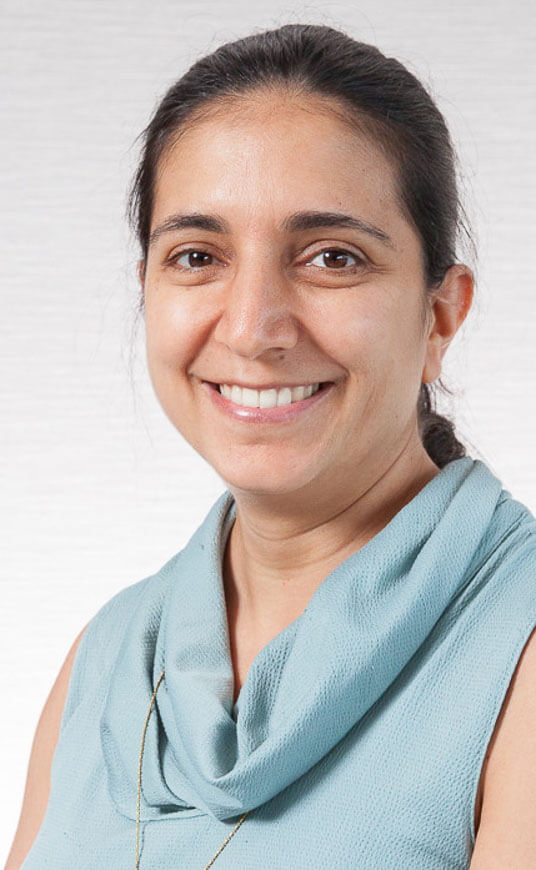
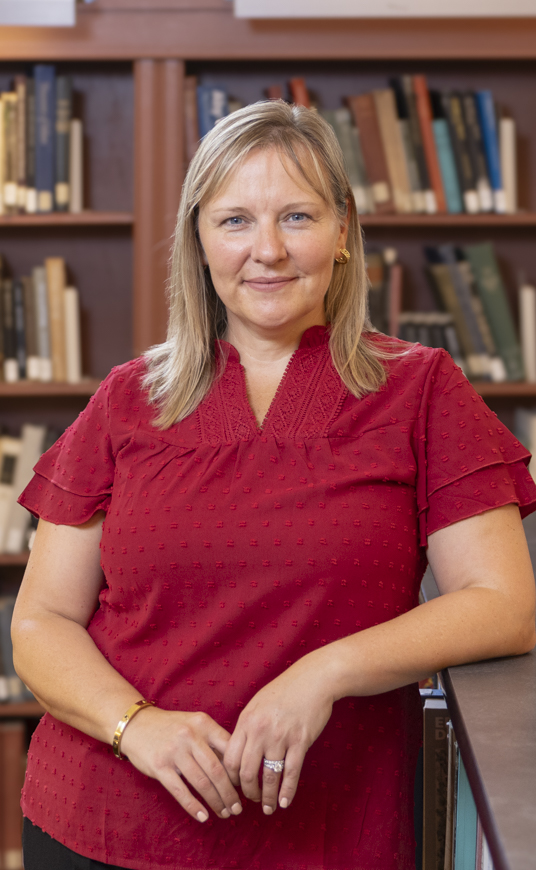
Brooklyn College is an integral part of the cultural and artistic energy of New York City. Our faculty members in the Department of Communciation Arts, Sciences, and Disorders offer incomparable expertise and tremendous talent, and each brings a unique perspective to their teaching and mentoring in and out of the classroom.
Internships and Employers
The program offers externship placement opportunities at world-renowned medical centers and clinical facilities.