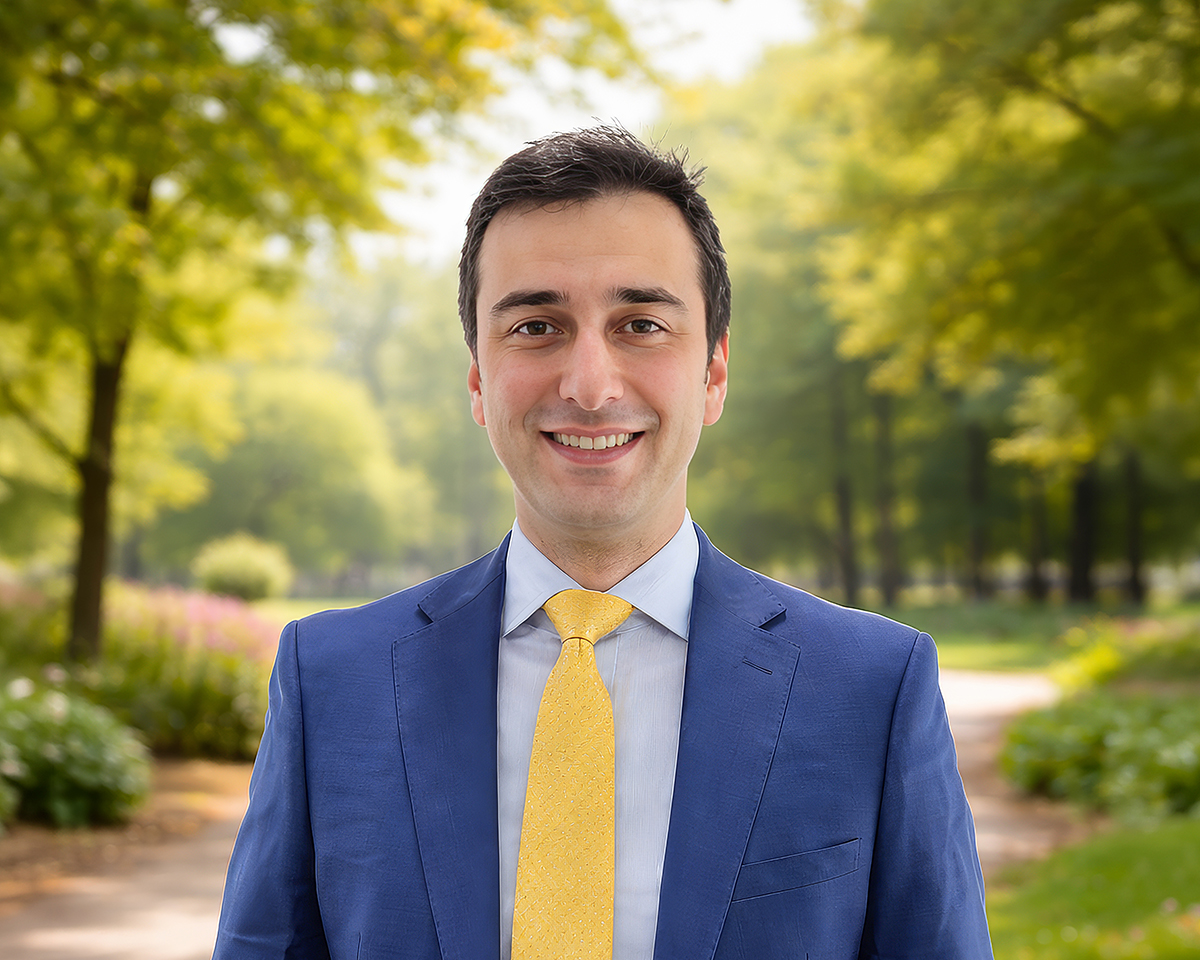
When Pawel Walczuk ’10, Managing Director at Accenture and Brooklyn College Foundation Trustee, was asked how AI is reshaping the workforce today and in the years ahead, he borrowed a quote from New York Yankees legend Yogi Berra: “It’s tough to make predictions, especially about the future.”
It was a fitting start to a wide-ranging discussion about one of today’s fastest-moving industries.
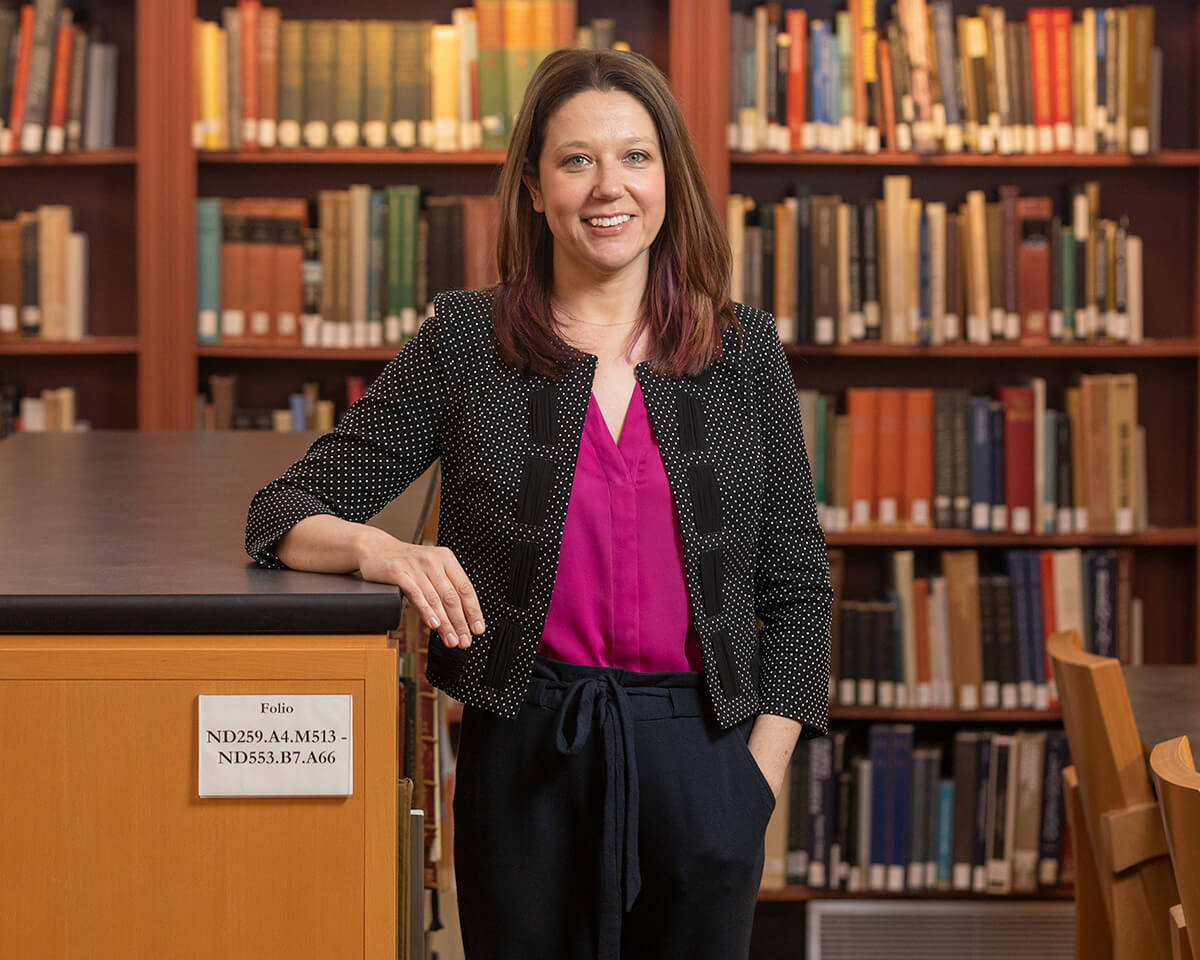
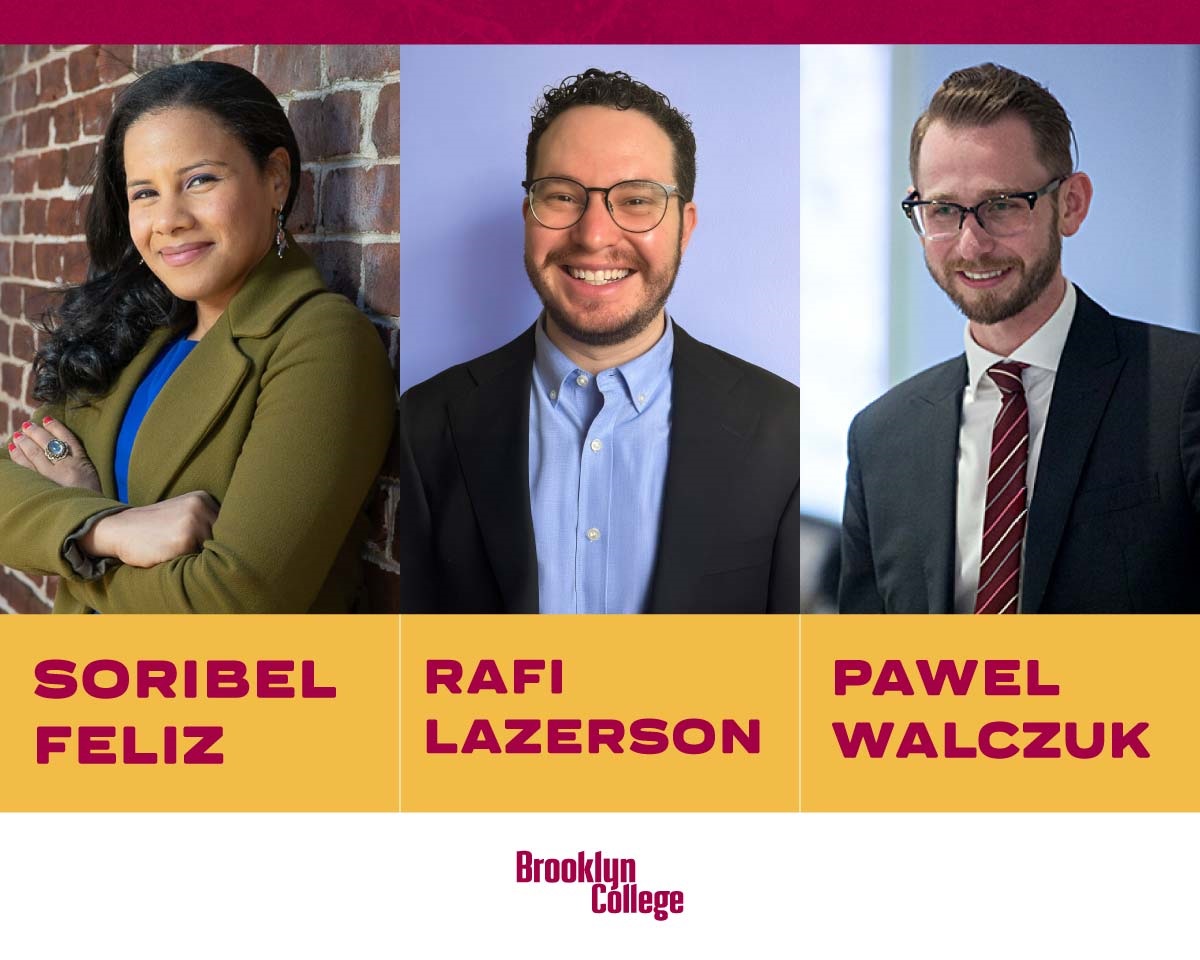
Walczuk was joined by Soribel Feliz ’09, an AI Governance and Risk Management instructor and LinkedIn team member, and Rafi Lazerson ’16, Responsible AI Associate Manager at Accenture. Together, the trio of alumni shared candid insights about navigating careers in AI during the virtual event co-sponsored by Brooklyn College’s Office of Alumni Engagement, the Honors Academy, the Ethyle R. Wolfe Institute for the Humanities, the Political Science Department, and the Computer Science Club.
More than 50 attendees tuned in for the session held January 21 and hosted by Natalia Guarin-Klein, Executive Director of Alumni and Career Engagement, and moderated by Zoey Russo, a student staff member at the Magner Career Center. Early in the conversation, the panelists emphasized the value of a liberal arts education, which teaches critical thinking, communication, and adaptability, essential skills in AI-related roles. They also encouraged students to highlight recent projects, share original ideas, and practice explaining complex concepts clearly.
Another major theme of the discussion was keeping up with the rapid pace of AI innovation. Feliz urged students to rely on credible sources and learn to separate signal from noise. Lazerson recommended mixing informal learning, like articles and books, with more structured education, such as trainings or certifications. Walczuk pointed to product launches and major tech conferences as helpful markers of where the field is headed.
The panel also didn’t shy away from questions about AI’s impact on the job market. Walczuk, who majored in Philosophy, Economics, and Political Science while at Brooklyn College, noted that while certain tasks may be automated, AI is also dramatically expanding access to services in areas such as healthcare and accounting. The real shift is not simply job loss, but the lowering of cost and increase in availability of services that have historically been limited. As access expands, demand often grows alongside it, creating new forms of work and new opportunities for skilled professionals. The change will have to be managed through policy.
The conversation also highlighted how AI is transforming industries far beyond tech. Feliz, who majored in Political Science at Brooklyn College, spoke about the rising need for domain expertise and predicted that adaptability—and even a bit of “chaos tolerance”—will become increasingly valuable. Lazerson, who also majored in Political Science, discussed AI’s potential to transform industries for the positive, such as supporting access to personalized education or healthcare. However, he shared that positive societal outcomes from AI depend on how it is developed, deployed and used. He emphasized that each of us can play a role in advocating for and shaping AI for the better.
Students also received practical advice on using AI tools during the job search. Feliz reminded attendees that communication and teamwork still matter just as much as technical skills. She encouraged applicants to research a company’s AI policies and tailor their interview responses accordingly.
The event wrapped with a Q&A session, where participants submitted questions ranging from operational risk governance to everyday strategies for integrating AI into their work.
By the end of the evening, one message was clear: AI is reshaping the workforce, but it’s also creating tremendous opportunities for those who stay curious, adaptable, and engaged. The event underscored Brooklyn College’s commitment to preparing students and alumni for the evolving landscape of AI-driven careers.