A newly published daily-diary study has identified a surprising pattern among professional creatives: After days with higher creative engagement, creative practitioners reported more negative emotions the next day — even though creativity improved well-being in the moment. The authors call this next day dip a “creative hangover.”
Published in The Journal of Positive Psychology, the study tracked 355 adults (including 202 creative practitioners and 153 comparison participants with lower creative engagement) across baseline measures and 13 daily surveys of creativity and multidimensional well-being.
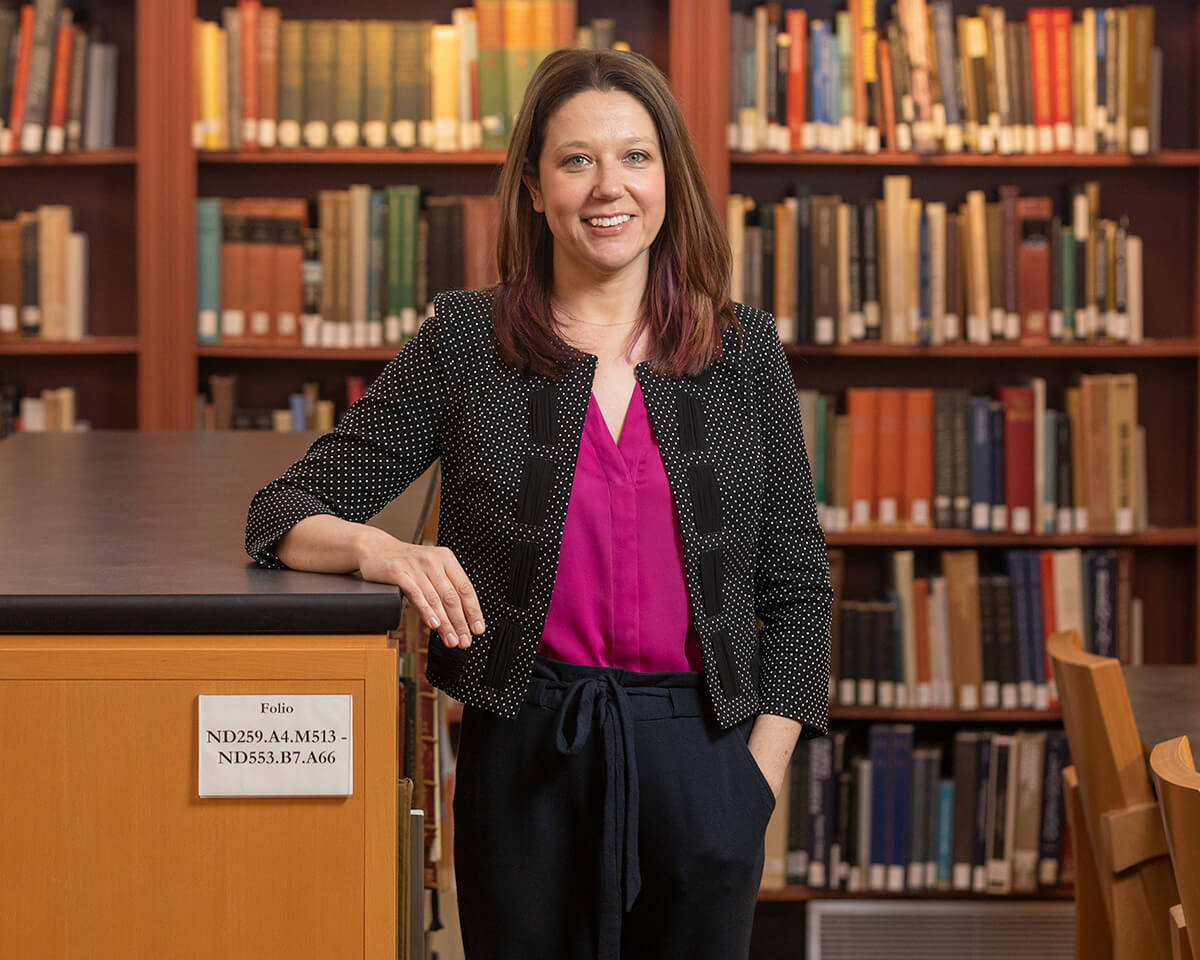
“Creative professionals are often under intense pressure—to perform, to produce, and to evaluate their own work,” said Jennifer Drake, professor of Psychology at Brooklyn College and the CUNY Graduate Center and the study’s senior author. “This study shows why blanket claims like ‘creativity is always good for you’ miss important nuance. Creativity tends to lift well-being in the moment for everyone, but the day-after pattern can diverge in ways that matter for mental health support and creative-arts interventions.”
“Creativity is usually framed as a straightforward path to feeling better,” said Kaile Smith, lead author and a doctoral candidate in Psychology at the CUNY Graduate Center. “What surprised us is that for creative practitioners, there can be a next-day emotional cost—even when the same-day effects are positive. That doesn’t mean creativity is harmful; it suggests the emotional rhythm of creative work may be different when creating is central to your life and livelihood.”
The research uses the PERMA model of well-being—Positive emotions, Engagement, Relationships, Meaning, and Accomplishment—to move beyond one-size-fits-all ideas about “happiness” and capture how creativity relates to specific facets of flourishing over time.
Key Findings
- Creativity helped people feel better that same day. On days when participants were more creative, they reported higher well-being across multiple areas.
- Creative practitioners started out with higher well-being. They reported higher baseline well-being, especially in feeling absorbed/engaged, connected to others, and having a sense of meaning.
- The next-day effects differed. Casual creators tended to carry benefits into the next day (better mood and relationships), while creative practitioners reported more negative emotions the next day after higher creativity — the “creative hangover.”
- Feeling worse predicted next-day creativity only for casual creators. In the comparison group, lower well-being was linked to more creativity the following day; this pattern did not show up for creative practitioners.
Why It Matters
The findings complicate the familiar “tortured artist” narrative. Creativity appears to offer immediate well-being benefits across the board, but the timing and emotional spillover may depend on whether someone creates professionally or more casually—a difference that could inform wellness strategies, clinical approaches, and future intervention studies.