Just ahead of Climate Week, Associate Professor Brett Branco and Professor Jennifer Cherrier from Earth and Environmental Sciences, participated in a statewide symposium on September 16 that focused on natural and nature-based features (NNBF) for shoreline resilience.
The event, organized and hosted by Branco and the Science and Resilience Institute at Jamaica Bay (SRIJB) with the New York Sea Grant, took place simultaneously at multiple locations across the state, including New York City, the Hudson Valley, the Great Lakes, and Long Island. Branco serves as the executive director of the SRIJB, and Cherrier is its associate director for integrated water research.
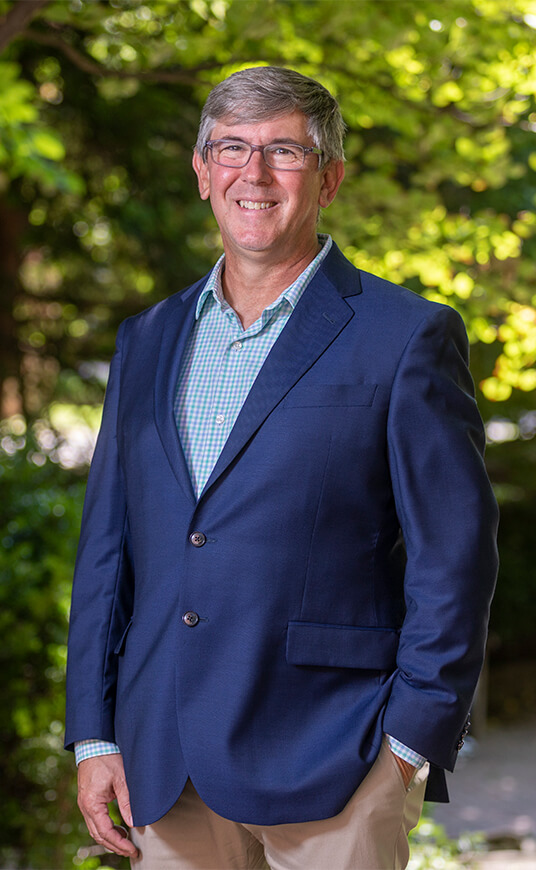
Brett F. Branco
More than 35 practitioners, researchers, and students from Brooklyn College and the CUNY Graduate Center shared insights, tools, and innovations aimed at improving how NNBF are implemented to protect communities from the impacts of climate change and urban development.
Participants explored a range of topics, from ecosystem restoration to sustainable coastal infrastructure, all with the goal of enhancing resilience, supporting biodiversity, and achieving positive social and economic outcomes.
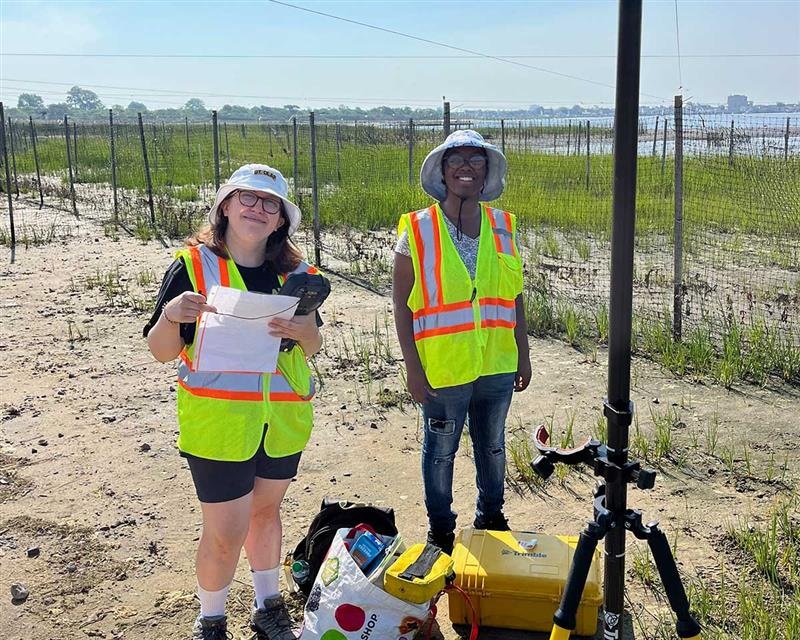
Branco and his students are contributing to ongoing efforts through monitoring and data collection, building public-facing databases and visualizations, and developing tools to help policymakers and stakeholders select the most effective nature-based projects. They are also working to identify pathways for integrating these solutions into existing regulatory and permitting frameworks.
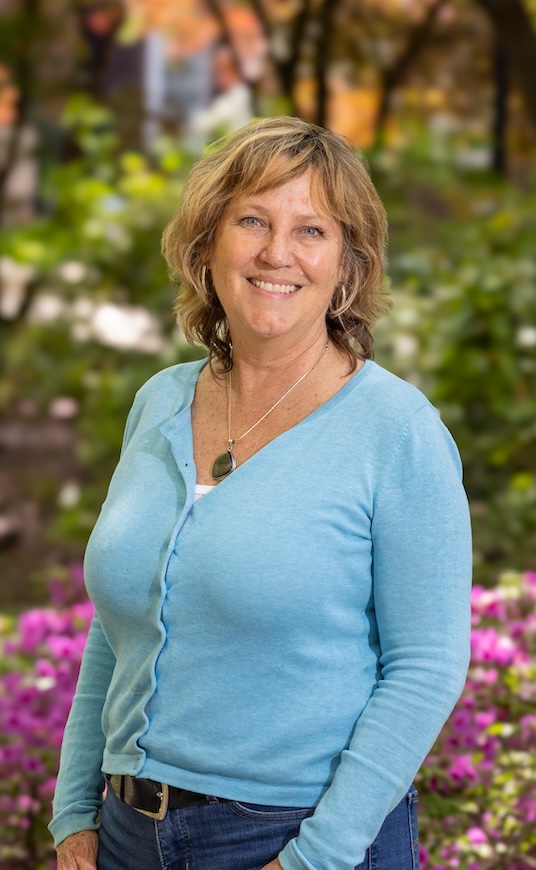
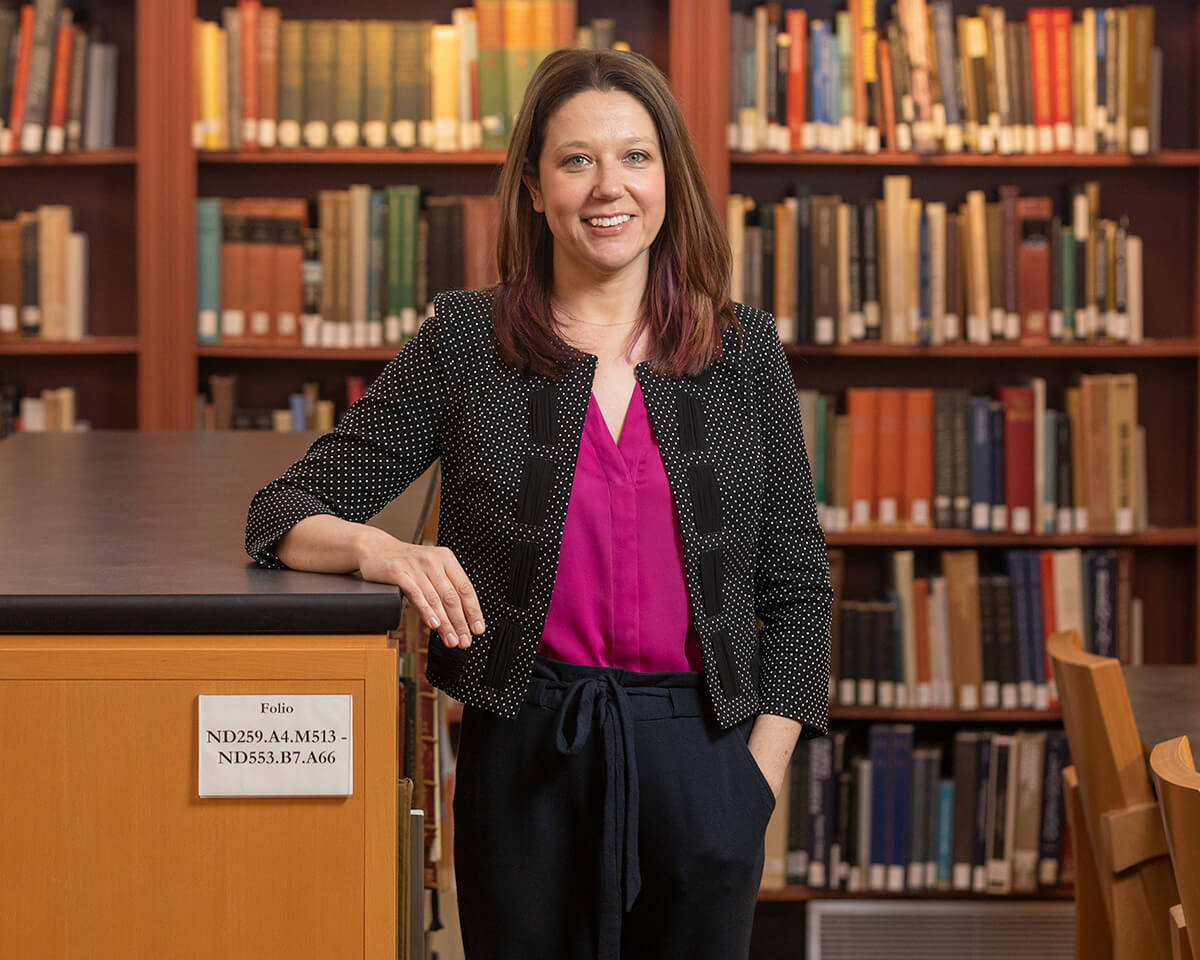
Jennifer Cherrier
“Nature-based features can transform the way we manage and adapt to climate impacts,” said Branco. “Our challenge, and opportunity, is to connect science with action, making sure that these solutions are not only effective, but also equitable and scalable.”
This work underscores the critical role of academic institutions and students in shaping the future of climate resilience in New York and beyond.