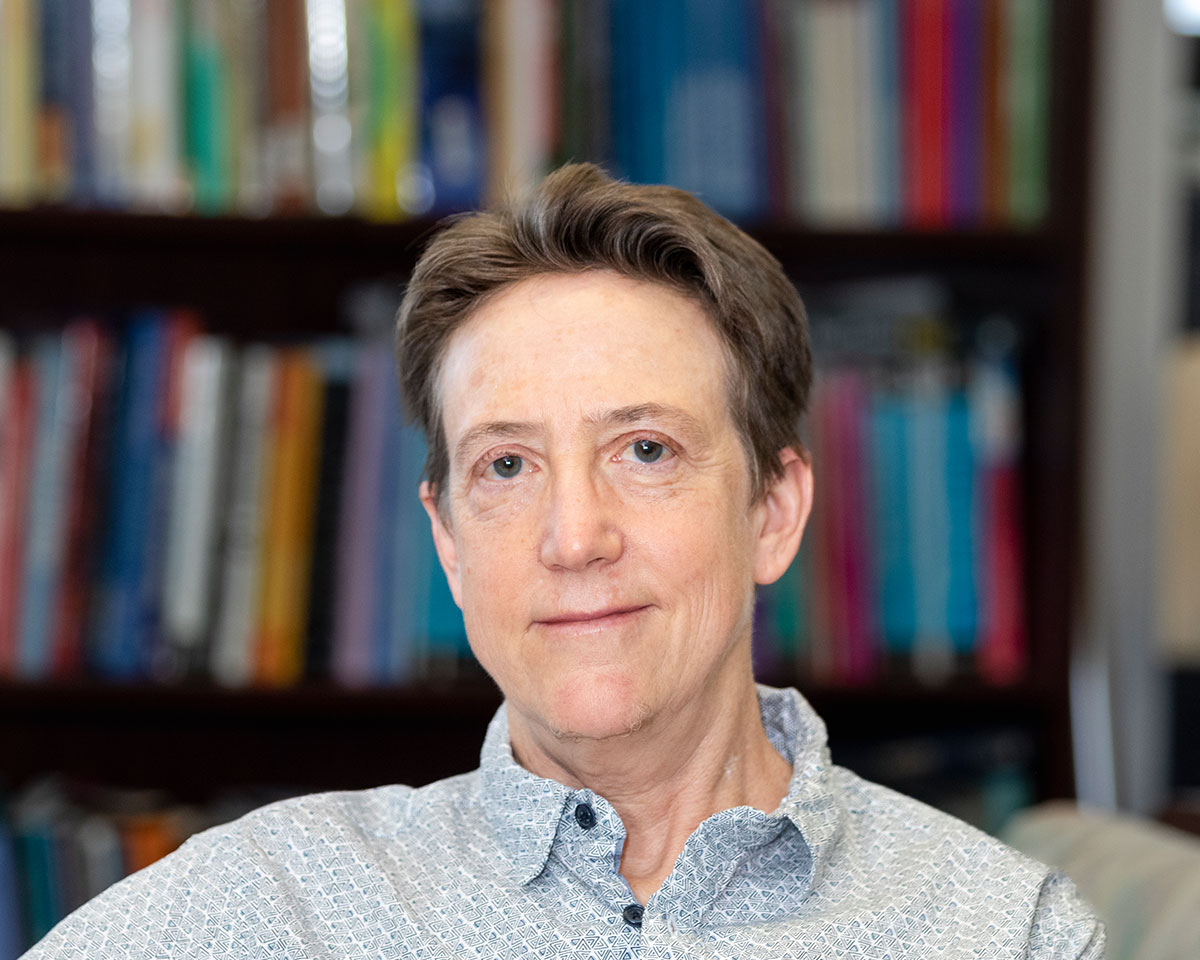
In a world where traditional health care often falls short, Sociology Professor Naomi Braine believes there are many ways to enhance health outcomes beyond the clinical environment. With deep-rooted experience as an activist and educator, Braine’s work is focused on women’s health, drug addiction, HIV, and other issues that disproportionately affect historically resilient populations.
Since arriving at Brooklyn College in 2008, Braine has empowered her students to become the next generation of thought and action leaders in areas of public health. Reflecting on her journey, Braine shares her transition from pursuing a psychology degree to eventually embracing sociology as a means to explore social policy. She also credits her early experiences in grassroots activism as shaping both her research and teaching philosophy.
Having worked in academia, the nonprofit sector, and within grassroots activism, what initially drew you to sociology, and how has your perspective on the field evolved through your experiences in these varied roles?
I worked with teenagers while going to college and ended up a psychology major because I could get some tuition reimbursement from my job. When I graduated, I had come to understand that I didn’t want to be a therapist or a social services administrator.
I went to grad school for sociology as a pathway to studying social policy, and that continues to shape my professional work, although my interests shifted to public health. My first professional job after getting my Ph.D. came through activist connections, not academic ones, and my involvement with grassroots movements continues to shape my research and teaching. I value the ways sociology enables me to work within and across different professional worlds.
Brooklyn College is known for its diverse student body. How has teaching here influenced your research and activism, and what do you hope your students take away from studying sociology with you?
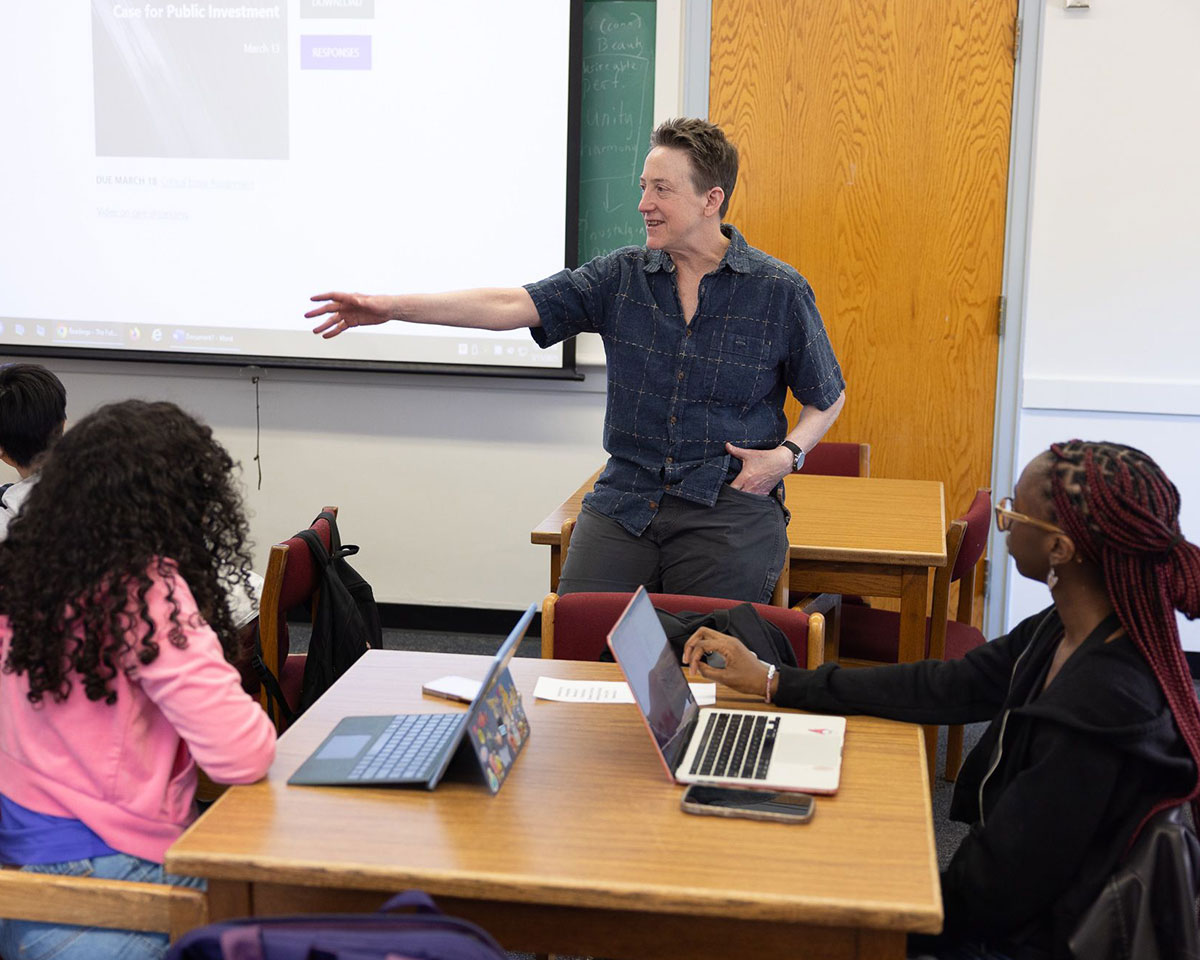
Many of the students in my classes are engaged with their communities on and off campus, and they bring that energy and insight to the classroom. Together, we create a space that can exceed the boundaries of the classroom, bringing important contemporary issues into dialog with readings, assignments, and historical material.
The challenges of teaching and learning in an underfunded public institution have shaped my activism through engagement with the faculty-staff union as we strive to build the educational environment our students deserve, one that will enable them to gain the knowledge and experience necessary for the lives they aspire to create.
I take great pride in seeing my students pursue meaningful work beyond the classroom. I had the opportunity to facilitate an internship for one of my former students, Victoria St. Clair, with an organization now known as Pregnancy Justice, which operates at the intersection of reproductive justice and drug policy. Victoria not only embraced the opportunity but turned it into a full-time role, providing research and administrative support for its legal staff. She later carried that experience forward, performing similar duties for Brooklyn Defender Services.
Your current work focuses on self-managed abortion, the term commonly used to describe when a person chooses to induce their own abortion through medications taken outside of a medical setting. Can you share what inspired this focus and how you see it shaping public discourse and policy in the coming years?
My work on self-managed abortion came out of earlier work on drug-related harm reduction, both of which are examples of social movements that work at the intersection of public health and community-based action around issues that have been criminalized and marginalized.
We can see the power of self-managed abortion as a practice and a form of feminist activism in the wake of the Dobbs decision that overturned federal protections for the right to an abortion. In states where abortion has been restricted or banned, people with undesired pregnancies have been able to maintain their autonomy and self-determination with information and support from community activists.
Your book, Abortion Beyond the Law: Building a Global Feminist Movement for Self-Managed Abortion, was published at the end of 2023. What do you want readers to learn most from it?
The book explores the work of transnational feminist networks that support and enable self-managed abortion. I hope readers will see that it is possible to work together with other people to protect health while enabling those with undesired pregnancies to maintain bodily autonomy. I think the work of the activists in the book can also inspire and perhaps provide some guidance to people facing a range of issues at the intersection of health, justice, and self-determination.
How can people who are not sociologists or health care professionals stay informed about issues related to reproductive rights?
Reproductive health and reproductive justice are issues that everyone needs to engage with, not just specialists. Learn from and follow reliable information sources, like ReproAction or Physicians for Reproductive Health, and get involved locally with an abortion fund or women’s health organization. This is a moment when everyone needs to be actively engaged around the issues that are important to them, and remember that democracy is not just about elections and is definitely not a spectator sport.