Perinatal Mental Health, Advanced Certificate (Online)
School of Education
Program Overview
The Perinatal Mental Health Advanced Certificate is an 18-credit online program that prepares mental health, health care, and early childhood professionals to support mothers, birthing parents, and infants during pregnancy and the first postnatal year. As the only program of its kind in CUNY—and one of the few in the entire United States—it offers a rare opportunity to gain specialized expertise in a vital field. Through six online courses and 120 hours of supervised in-person clinical training, students develop advanced, culturally responsive, trauma-informed skills to address perinatal mental health challenges, reduce disparities in care, and strengthen parent-infant bonding.

Upcoming Open House
Program Details
The program information listed here reflects the approved curriculum for the 2026–27 academic year per the Brooklyn College Bulletin. Bulletins from past academic years can be found here.
Program Description
The Perinatal Mental Health Advanced Certificate (PMH) Program (18-credits) prepares licensed mental health professionals to provide clinical services to diverse birthing people and families during the perinatal period (pregnancy through the first year postpartum) in various perinatal settings (e.g., hospitals, medical and mental health clinics, communities, and families’ homes).
This certificate does not confer a new license or expand the scope of practice beyond what is permitted under the trainee’s existing professional license. This program is intended for licensed professionals whose scope of practice includes assessment, diagnosis, and treatment, as well as for licensed professionals who have obtained or are eligible to obtain diagnostic privilege, where applicable (including, but not limited to, mental health counselors, marriage and family therapists, and psychoanalysts in New York State). The focus is on deepening clinical understanding of perinatal mental health, parent-infant relationships, relational dynamics, ethical decision-making, and interdisciplinary collaboration.
The PMH program is a rigorous, year-long online-synchronous program, consisting of six interdisciplinary perinatal health and mental health courses in addition to 120 in-person clinical hours in the PMH field. The clinical hours include individual and/or group work with diverse individuals in addition to case presentations, reflective practice and supervision by licensed professional specialists.
PMH trainees will gain knowledge of the social determinants of health (SDOH), and clinical skills to address health and mental health inequities during the perinatal period (which includes pregnancy, childbirth, and the first year postpartum).
Graduates will be prepared to make a positive impact on maternal and newborn health outcomes including mother-infant dyads from Black, Indigenous, and People of Color (BIPOC) and immigrant communities. Certificate graduates will be competitive candidates for employment within the broad perinatal field.
The PMH program addresses racial and socioeconomic disparities that impact access to comprehensive, high-quality medical and mental health prevention and intervention services for pregnant mothers and birthing individuals experiencing mental health distress, and their infants. It will equip mental health professionals with specialized perinatal clinical skills with an emphasis on cultural humility and reflective supervision. Those with professional backgrounds in perinatal mental health care will also benefit from the relational framework and opportunity to re-examine their own practices and adapt their services to the unique needs of the perinatal population.
The PMH program will include instruction in culturally responsive evidence-based psychotherapeutic and parent-child psychotherapy assessments and interventions to prevent and treat a broad spectrum of mental health conditions from pregnancy through the first postnatal year to support new mothers and their families. The program will target prevention and interventions for those struggling with perinatal mood and anxiety disorders, depression and postpartum depression, grief and loss, and other emotional difficulties as well as exposing trainees to the economic disparities and systemic racism and inequities that limit access to quality perinatal health care.
Note: This perinatal mental health program provides advanced training but does not lead to New York State licensure or New York State certification or confer diagnostic privilege. All participants are expected to practice strictly within the boundaries of their existing licensure, certification and regulatory limitations, in accordance with New York State Education Law and Office of Professions regulations. Clinical practice remains limited to each trainee’s existing professional scope as defined by their current license or certification. Participation in the program does not expand or modify a participant’s legal scope of practice.
Matriculation Requirements
Admission is limited to:
- Licensed professionals whose scope of practice includes assessment, diagnosis, and treatment (e.g., Licensed Clinical Social Worker [LCSW / LCSW-R] and Licensed Psychologist); and
- Licensed professionals who have obtained or are eligible to obtain diagnostic privileges, where required under New York State regulations (e.g., mental health counselors, marriage, family therapists, and psychoanalysts).
Verification of current licensure in one of the above professions is required for enrollment.
Applicants must have a minimum graduate grade point average of 3.00. A minimum grade point average of 3.00 in graduate courses is required to maintain matriculation.
Applicants are interviewed and may be required to demonstrate written proficiency in English.
International applicants for whom English is a second language are required to pass the Test of English as a Foreign Language (TOEFL) with a minimum score of 575 on the paper-based test or 233 on the computer-based test or 79 on the internet-based test, before being considered for admission.
Program Requirements (18 Credits)
Students must complete 18 credits in the following 6 cross-listed courses with the ECAE and/or Psychology departments.
- ECAE/PSYC 7564G: Social Determinants of Health and Psychological Health Inequities during the Perinatal Period
- ECAE/PSYC 7562G: Parent-Child Dyad Relational Health
- ECAE/PSYC 7563G: Biopsychosocial Aspects of the Perinatal Period
- ECAE/PSYC 7566G: Psychopathological Conditions during the Perinatal Stage (Note: Diagnostic authority and treatment interventions are discussed within the context of the trainee’s professional scope of practice. This course does not authorize diagnosis or psychotherapy outside of licensure).
- ECAE/PSYC 7568G: Clinical Assessment and Intervention for Perinatal Mental Health Issues
- ECAE/PSYC 7569G: Perinatal Mental Health Practicum
This PMH program requires at least 120 hours of supervised in-person clinical internship/practicum (and reflective supervision) in settings such as hospitals, medical clinics, community settings, and/or families’ homes. It is designed to be completed in one year (fall, winter, spring, summer). Note: Students working with perinatal clients will use most of those 120 hours toward the internship/practicum requirement.
Student Learning Outcomes
Expected outcomes following completion of the Advanced Certificate program in PMH include:
- Trainees will be prepared to take the Postpartum Support International’s Perinatal Mental Health exam.
- Trainees will gain knowledge of the social determinants of health (SDOH), cultural humility, and skills needed to address health and mental health inequities throughout the perinatal period and improve maternal and newborn health outcomes.
- Specific knowledge and skills of Advanced Certificate in PMH graduates will include:
- Identify and address disparities in perinatal care and services due to SDOH, race, ethnicity, poverty, socio-cultural, and gender factors that exacerbate maternal mortality and morbidity, particularly for Black women; address factors leading to lower health seeking and reporting of PMH issues (e.g., stigma, language barriers); recognize perinatal psychological disorders and how they disproportionately affect BIPOC and under- resourced communities; recognize how inequities in structural factors (housing, distance to facilities, poor quality) are associated with maternal trauma and stressors— in turn, negatively related to health outcomes for mothers, their newborns, and family well-being.
- Understand the psychological and emotional processes of becoming a parent to help mothers, fathers, and caregivers across diverse cultures develop an attachment with their fetus and newborn throughout the first year of life; understand how culture and protective factors strengthen maternal and infant health, and parent-child relationships beginning prenatally; closely observe and support newborn development infant-caregiver interactions.
- Understand maternal mental health conditions such as perinatal mood and anxiety disorders (PMADs), depression and postpartum depression, and other emotional distress throughout the perinatal period as well as the etiological (i.e., genetic, biological, developmental) and socioeconomic/sociocultural risk factors during the perinatal period.
- Understand and describe how maternal health conditions (e.g., PMADs), perinatal loss and grief, trauma, and SDOH affect a mother’s sense of self, the baby, the mother-child relationship, and family, and how these experiences may differ within and across cultures and communities
- Engage in cultural humility, trauma-informed care, and relational perinatal care with parents and their families from diverse backgrounds, including reflective practice and understanding transference and countertransference; screen mothers for maternal health conditions (e.g., PMADS) and make appropriate referrals to support healthy perinatal outcomes for all mothers.
- Apply the DSM-5-TR classification system of mental disorders to case studies to assess and formulate diagnoses and differential diagnoses during the perinatal period; apply culturally responsive evidenced-based psychotherapeutic assessments and interventions to treat a broad spectrum of mental health conditions from pregnancy through the first postnatal year.
- Engage in interdisciplinary collaboration, ethical decision-making, and include diversity issues in determining the appropriate treatment approach for mothers and families.
- Apply attachment and parent-child psychotherapy assessments and interventions in support of new mothers, including those struggling with depression, anxiety, loss and grief, substance use disorder, or other emotional difficulties and/or systemic health care inequities to enable them to better cope, parent, bond with, and engage in sensitive interactions with their newborns/infants.
Admissions Requirements
- Fall Application Deadline—August 15
- Spring Application Deadline—December 15
Supporting Documents for Matriculation
Submit the following documents to the Office of Graduate Admissions:
- Transcripts from all colleges and universities previously (and currently) attended. Applicants who earned a bachelor’s degree outside the United States will submit a course-by-course international transcript evaluation. See Graduate Admissions for more information.
- A copy of their licensure in a mental health profession
- Two letters of recommendation
- Résumé
- A statement of purpose (500–1,000 words) describing your reasons for pursuing the advanced certificate in PMH program. Share your background, training, and experiences and describe why a focus on PMH will advance your educational and career goals/competencies.
Applicants from non-English speaking countries outside of the United States must submit an English proficiency exam: TOEFL, IELTS, PTE, Duolingo. U.S. citizens and permanent residents are exempt.
Interview
Tuition and Fees
For current tuition and fee, visit Graduate Tuition and Fees.
Contact
Jacqueline Shannon
2309 James Hall
E:
P: 718.951.5205
Or contact:
Office of Graduate Admissions
222 West Quad Center
2900 Bedford Avenue, Brooklyn, NY 11210
E:
P: 718.951.4536
Office Hours
Mondays–Fridays, 9 a.m.–5 p.m.
Schedule an appointment with a graduate admissions counselor.
The Support You’ll Find
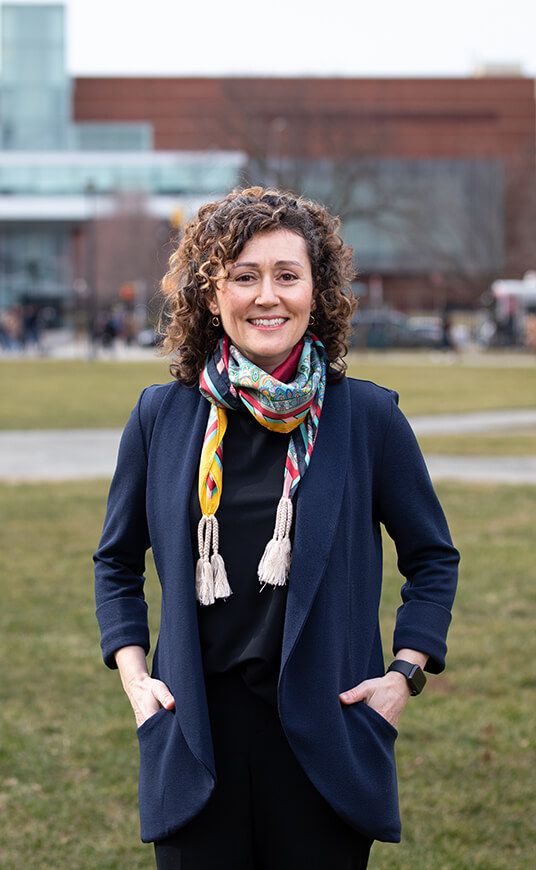
Our faculty members in Early Childhood Education/Art Education offer incomparable expertise and tremendous talent, and each brings a unique perspective to their teaching and mentoring in and out of the classroom.






Internships and Employers
Careers in perinatal mental health across disciplines are expected to grow. There is an urgent need to recruit a new generation of culturally and linguistically diverse perinatal mental health clinicians and professionals throughout New York City and beyond. This certificate program equips professionals to excel in perinatal mental health roles across hospitals, mental health clinics, home- and community-based services, and early childhood programs.

Brooklyn College Hosts Second Annual Perinatal Mental Health Summit in Brownsville
Daylong convening brings together 200 clinicians, researchers, and community leaders to advance equitable, trauma-informed care for parents, infants, and families.
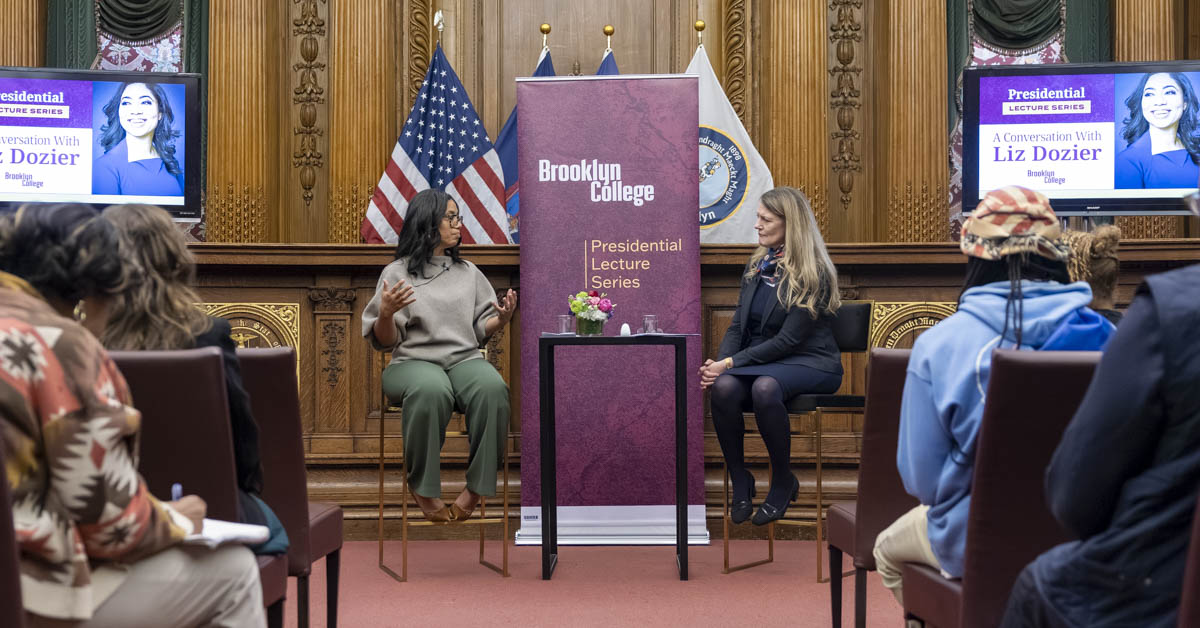
Brooklyn College Hosts Urgent Discussion on Black Maternal Health Crisis
The event, attended by students, faculty, staff, and community members, was held in conjunction with the 2026 Perinatal Mental Health Summit at the Greg Jackson Center for Brownsville.

Pair of Events Highlight College’s Commitment to Perinatal Mental Health
Second Annual Perinatal Mental Health Summit Follows Timely Presidential Lecture Series Event at Brooklyn Borough Hall.