Brooklyn College students will once again have the opportunity to gain hands-on experience in global public health through the ICAP Next Generation Program, a multidisciplinary training initiative led by ICAP at Columbia University’s Mailman School of Public Health. The program prepares emerging public health leaders to address urgent global health challenges by engaging students in internships and fellowships focused on the design, implementation, and evaluation of ICAP-supported initiatives. Working alongside global health experts, participants contribute to real-world projects while gaining insight into health care delivery systems in low-resource settings. The program is open exclusively to graduate health education students at Columbia University and selected undergraduate students from Brooklyn College.
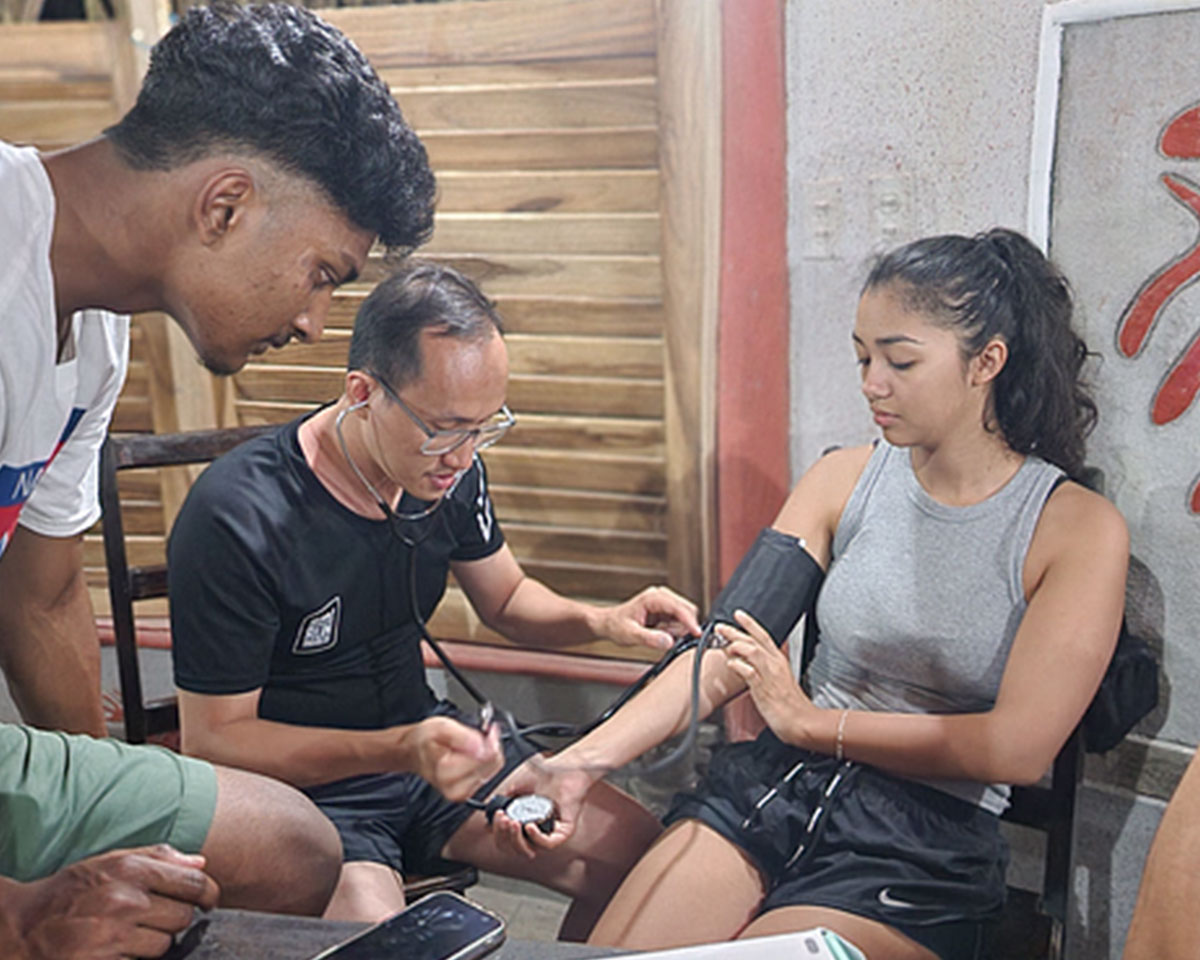
Next Generation interns spend two to six months engaged in programmatic work in locations across Africa, Asia, and New York, receiving close mentorship from ICAP staff throughout the experience. The program emphasizes applied learning, giving students the opportunity to translate academic training into practice while building professional skills in global public health.
Among the Brooklyn College students who have participated is Mujibur Shaad, whose internship in Kenya in 2025 offered a formative introduction to global health work on the ground. Reflecting on the experience, Shaad described his time in the program as “life-changing,” citing opportunities to engage with local communities and to contribute to research focused on tuberculosis screening using artificial intelligence.
“My time in Kenya allowed me to connect with people I never imagined I would meet, witness experiences I never thought I’d have, and develop a new philosophy and perspective on life,” Shaad said in a testimonial shared following his internship. He credited the experience with strengthening his passion for medicine and public health and inspiring him to pursue a career dedicated to serving others.
Shaad also emphasized the personal impact of the opportunity, noting that the internship supported his growth not only academically and professionally, but also as an individual. He expressed gratitude to The Tow Foundation for its support of the program and underscored the importance of continued investment in experiential learning opportunities for students.
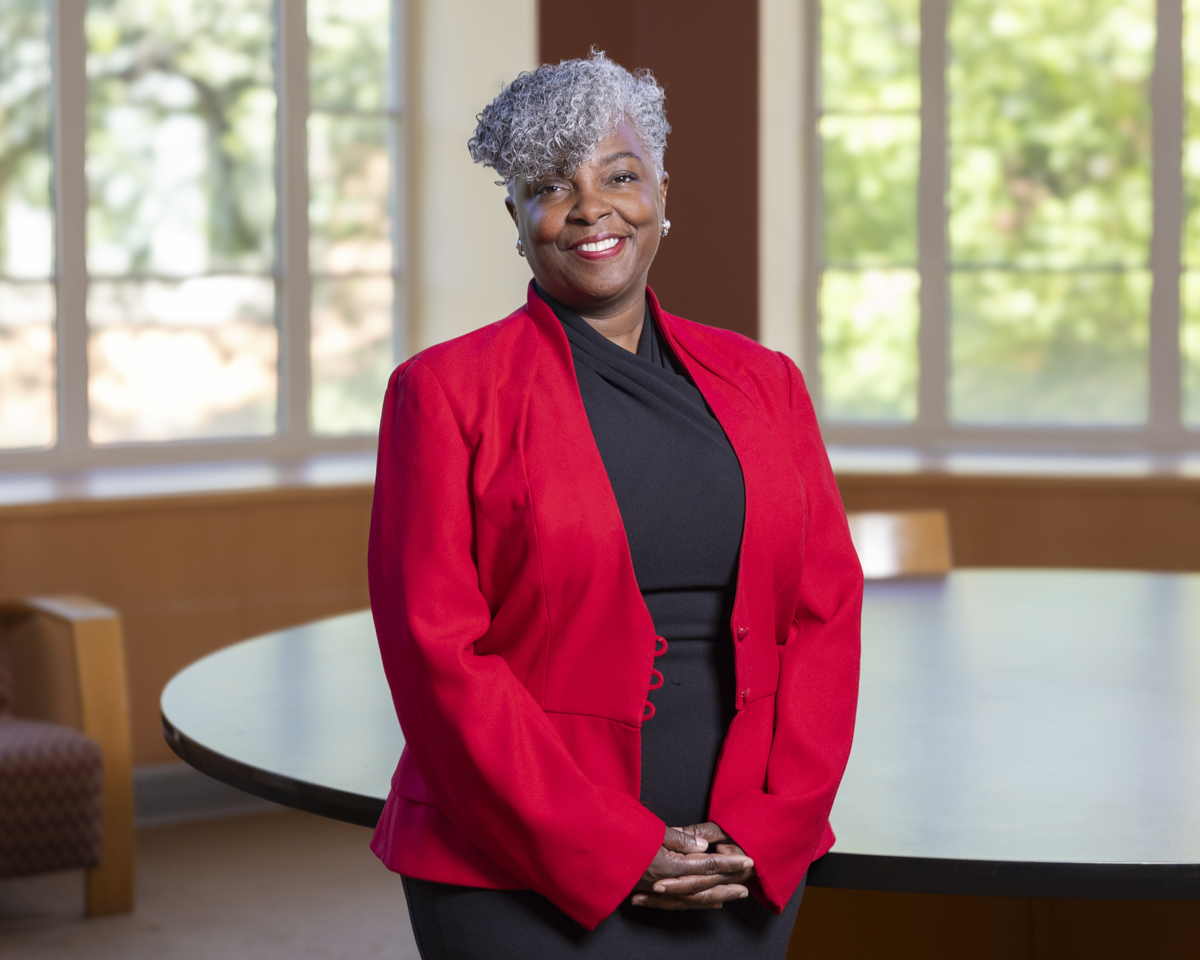
“Partnerships like ICAP’s Next Generation Program open extraordinary doors for our students, allowing them to apply their education in real-world settings while addressing some of the most pressing public health challenges of our time,” said Brooklyn College President Michelle J. Anderson. “We are deeply grateful to The Tow Foundation for its generous support of Brooklyn College students participating in this program. Their investment makes transformative, global learning experiences possible and helps prepare our students to lead with knowledge, compassion, and purpose.”
The ICAP Next Generation Program aligns closely with Brooklyn College’s commitment to experiential learning, global engagement, and preparing students to address complex social and public health challenges. By participating in internationally focused, research-informed initiatives, students gain valuable perspective on health equity, cross-cultural collaboration, and the global dimensions of public health practice.
As Brooklyn College continues to expand pathways for students to engage in meaningful, career-shaping experiences, partnerships such as the ICAP Next Generation Program play a critical role in connecting classroom learning with real-world impact, both locally and globally.