

With significant grant support, Brooklyn College’s innovative literacy initiatives thrive.

As New York City works to improve literacy outcomes and address the ongoing need for highly trained educators, Brooklyn College is expanding innovative teacher preparation programs designed to strengthen both the educator workforce and the students it serves.

One of the people at the center of this effort is Professor Katie Pace Miles, a nationally recognized literacy expert whose work has helped position Brooklyn College as a leader in science- of-reading education. Through a combination of microcredentials, advanced certificate programs, and hands-on training initiatives, the college is creating new pathways for both aspiring and experienced educators to deepen their expertise in evidence-based literacy instruction.
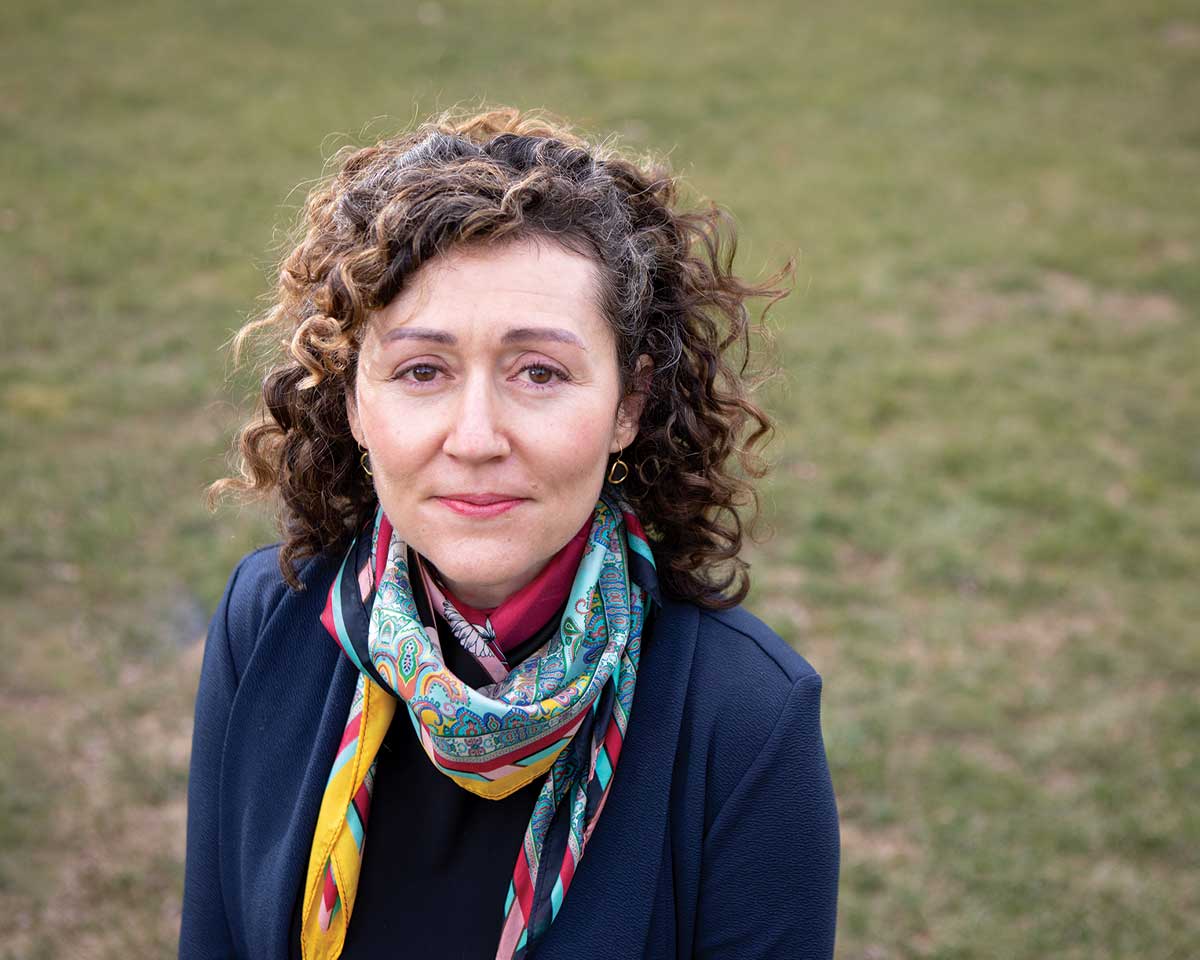
BC–Mag–14.1–Katharine-Pace-Miles–1200×960
Professor Katie Pace Miles

Making the Science of Reading Accessible

One of the most visible examples is the Reading Science Microcredential, an online professional learning program developed to make the science of reading accessible to educators already working in the field. In February 2024, the college received a $700,000 grant from The Heckscher Foundation for Children to support the implementation and expansion of the program. The funding enabled Brooklyn College to offer the microcredential free of charge to New York City public school teachers while also studying its impact.

The response exceeded expectations. More than 7,000 educators completed the 10-hour program, which introduces participants to the research behind how children learn to read and translates that research into practical classroom strategies.

Data collected through the initiative demonstrated significant gains in participants’ knowledge. Teachers showed a 34% increase in their understanding of science-of-reading concepts and a 10% increase in linguistic knowledge, including a deeper understanding of the structure of the English language. According to Miles, many participants moved from what would be considered failing-level performance on assessments of literacy concepts to scores in the 90% range after completing the coursework.

“The science of reading is a body of research on how children learn to read,” Miles said. “You really need to understand how children learn to read in order to make instructional decisions within a curriculum.”

“The science of reading is a body of research on how children learn to read,” Miles said. “You really need to understand how children learn to read in order to make instructional decisions within a curriculum. ”

Katie Pace Miles · Professor

A Flexible Opportunity for Educators

The microcredential was created in response to a gap Miles observed as literacy reforms rolled out across New York City schools. While schools were investing heavily in new curricula, she believed teachers also needed greater access to the research that underpins effective reading instruction. The program offers a flexible way for educators to build that knowledge without committing to a full degree program.

The Advanced Certificate in Reading Science is a year-long, graduate-level program for experienced educators seeking deeper expertise in evidence-based reading instruction. Supported by significant funding from the Hollyhock Foundation, the program provides full scholarships to 88 educators each year, removing financial barriers for teachers, instructional leaders, and other education professionals who want to strengthen their knowledge of literacy research and practice. More than 200 educators have completed advanced certificates.

Preparing Teachers Across New York

Since its launch, the initiative has attracted millions of dollars in philanthropic support, helping expand access to advanced training for educators who are already established in the field and positioned to influence classroom and school-wide instruction.

Faculty members across the CUNY system have begun embedding the microcredential into their own courses, giving hundreds of future teachers exposure to science-of-reading principles before they enter the classroom. A recently awarded $1 million allocation from New York State will help expand that work throughout CUNY, broadening access to evidence-based literacy training for students and faculty alike.

For Miles, the ultimate goal extends beyond certificates, credentials, or grant awards. It is ensuring that every child has access to a teacher equipped with the knowledge and tools necessary to help them become a successful reader.

As Brooklyn College continues to grow these programs, it is helping build a stronger pipeline of educators prepared to meet one of New York City’s most urgent educational challenges.

BC Magazine · Fall 2026 | Volume 14 | Number 1