Anthropology, B.A.
School of Natural and Behavioral Sciences
Program Overview
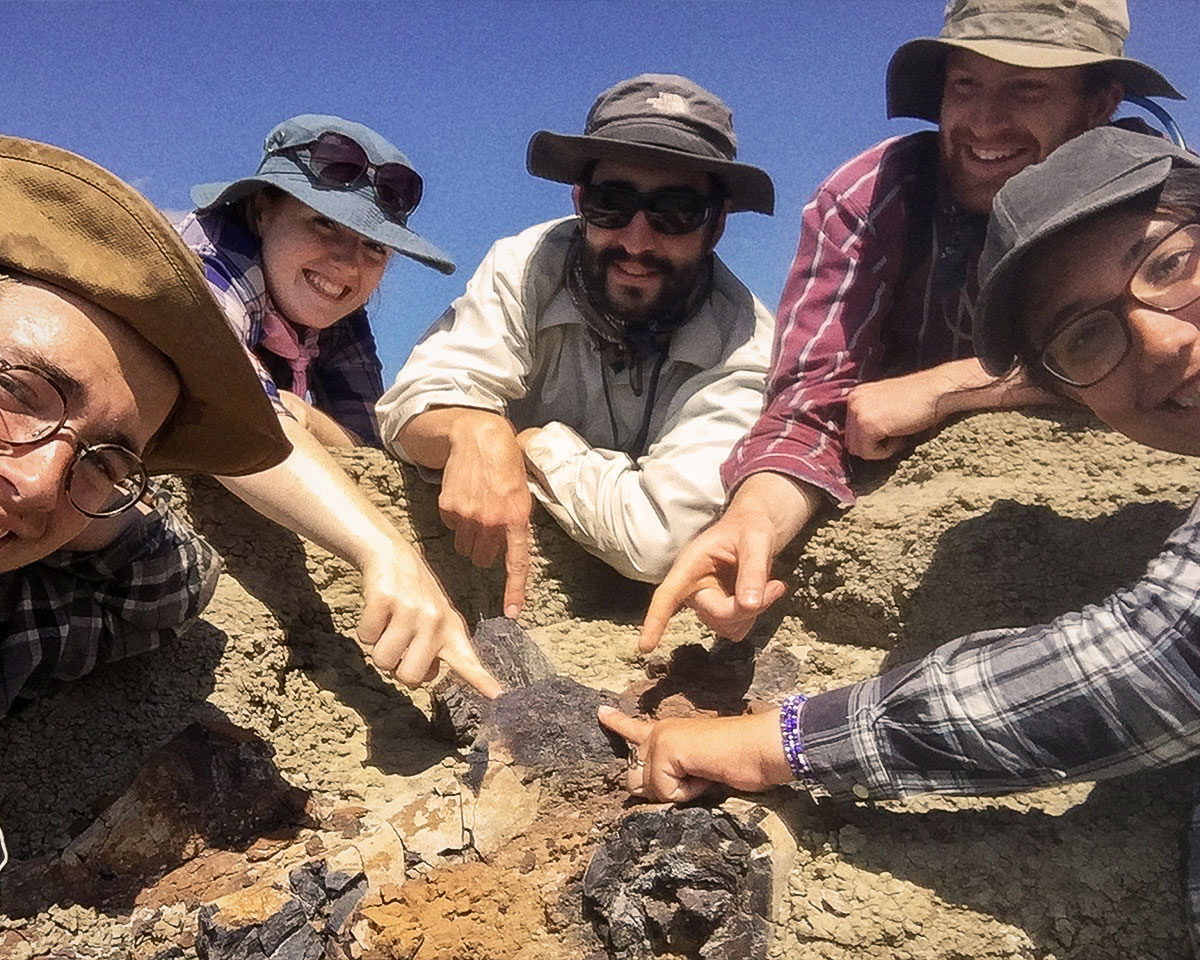
If you are excited by the idea of rummaging for million-year-old fossils; talking to people about food, television, or health care; or finding out when people built the first cities of Europe or migrated to the Caribbean, you’ll be right at home in the Department of Anthropology. Using a four-field approach—sociocultural anthropology, archaeology, biological anthropology, and linguistic anthropology—this degree combines the sciences with the humanities to understand the biological, social, and cultural factors contributing to human behavior, past and present.
Major Details
The program information listed here reflects the approved curriculum for the 2026–27 academic year per the Brooklyn College Bulletin. Bulletins from past academic years can be found here.
Major Requirements (36–39 Credits)
NYSED Program Code: 02102
I. Three of the following introductory courses (9 credits):
Anthropology 1100 Culture and Society, 1200 Human Origins, 1300 People and Language, 1400 Digging the Past.
II. At least one of the following field or laboratory courses (3-4 credits):
- Field courses: Anthropology 3015 Anthropology Abroad, 3016 Fieldwork in Anthropology, 3156 India Global Health: Ethnography, 3165 Economic Anthropology: Work, Wealth, Culture, 3470 Summer Archaeological Field School, 3480 Intersession Archaeological Field School, 4110 Summer Ethnographic Field School, 4635 Seminar in Museum Techniques.
- Laboratory courses: Anthropology 3180 Visual Anthropology, 3190 Anthropology of Media, 3240 Osteology, 3301 Language and Culture, 3440 Zooarchaeology, 3460 Historical Archaeology.
III. Fifteen elective credits (15 credits): in courses numbered 3000 and above (3 credits may be in a course numbered 2000 and above).
Elective courses for the four sub-fields of anthropology:
- Cultural anthropology: Anthropology 3145, 3150, 3155, 3160, 3162, 3165, 3170, 3180, 3185, 3190, 3199
- Biological anthropology: Anthropology 3230, 3235, 3250, 3260
- Linguistic anthropology: Anthropology 3301, 3310, 3360, 3390, 3392, 3395
- Archaeology: Anthropology 3410, 3412, 3420, 3430, 3445, 3460
IV. Senior Capstone course sequence (11 credits):
- One of the following methods courses (fulfills the writing intensive requirement): Anthropology 3120W Ethnographic Research Methods, 3245W Biological Anthropology Research Methods (only offered fall semesters)
- Anthropology 4601 Anthropological Theory (only offered fall semesters)
- Anthropology 4000 Senior Seminar in Anthropology and Anthropology 4001 Selected Topics in Anthropology (only offered spring semesters).
The department chair, with the approval of the department curriculum committee, may allow substitutions for one or more of these requirements consistent with the educational goals of the program.
Honors in Anthropology
GPA of 3.50 or higher in anthropology. Honors in two courses (with a grade of B or higher): one an upper-level (3000 or above) elective course and the other Senior Seminar (ANTH 4000).
More Information
Majors should consult a department advisor each year in planning their programs.
Students should complete I. introductory course sequence; II. field or laboratory course; III. 15 elective credits; and IV. 4601 Anthropological Theory and either 3120W Ethnographic Research Methods or 3245W Biological Anthropology Research Methods in the fall of their senior year; and 4000 Senior Seminar and its co-requisite 4001 in the spring of their senior year.
Student Learning Outcomes
- Demonstrates understanding of anthropological concepts of human diversity, past and present.
- Demonstrates critical thinking in writing and communication.
- Students are able to independently investigate anthropological phenomena using subfield-specific research methods.
- Students comprehend anthropological literature to identify and formulate an argument.
- Students are able to communicate research findings.
Degree Maps
To help you pursue your studies in the most efficient manner, and to maximize your efforts to graduate in four years, Brooklyn College has created four-year degree maps for all its majors.
View degree maps for this major and others.
Career Maps
A career map provides a comprehensive breakdown to help connect your academic coursework to career readiness skills, actions, and outcomes.
The Support You’ll Find
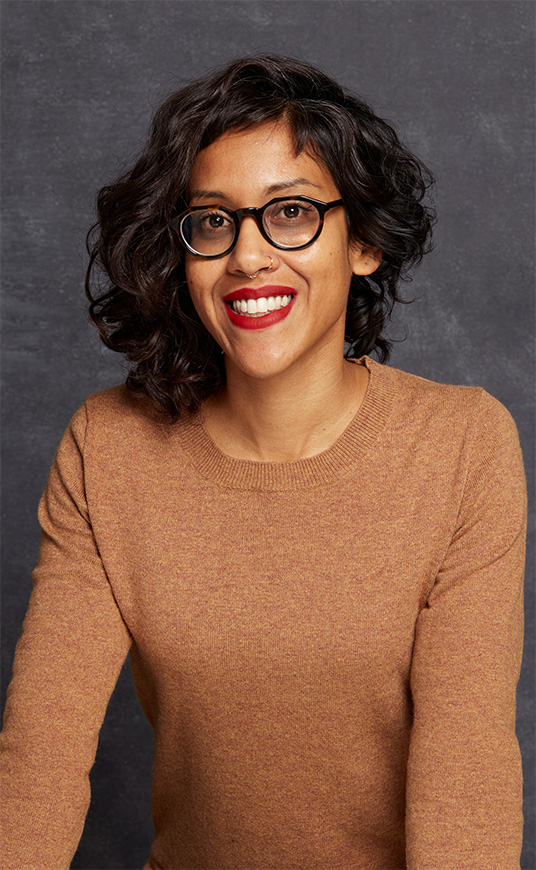
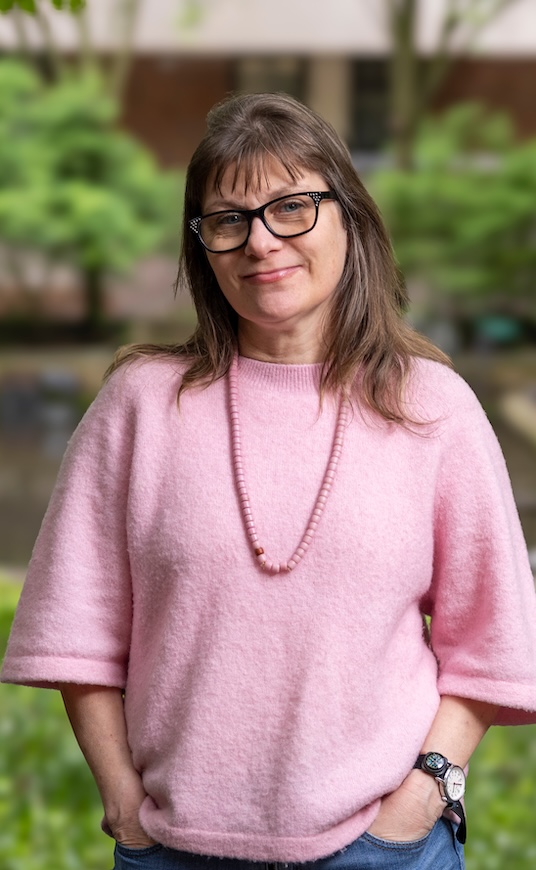
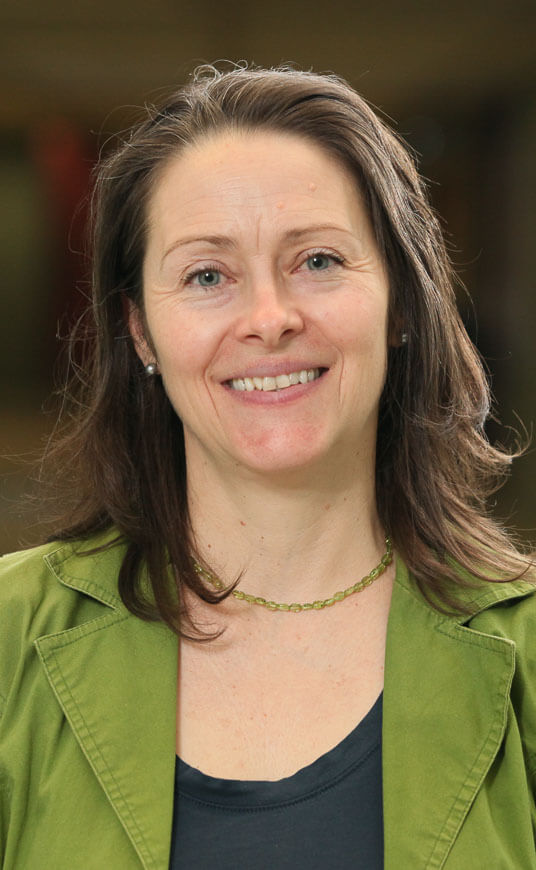
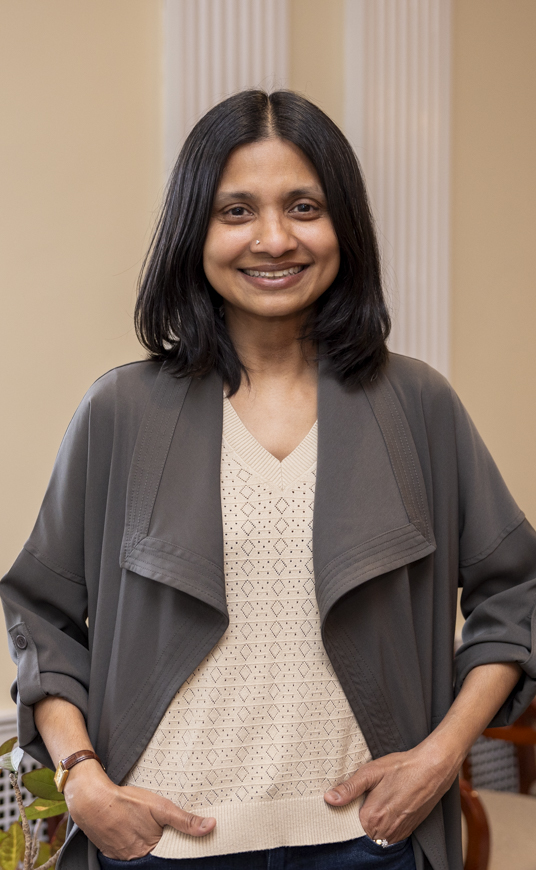
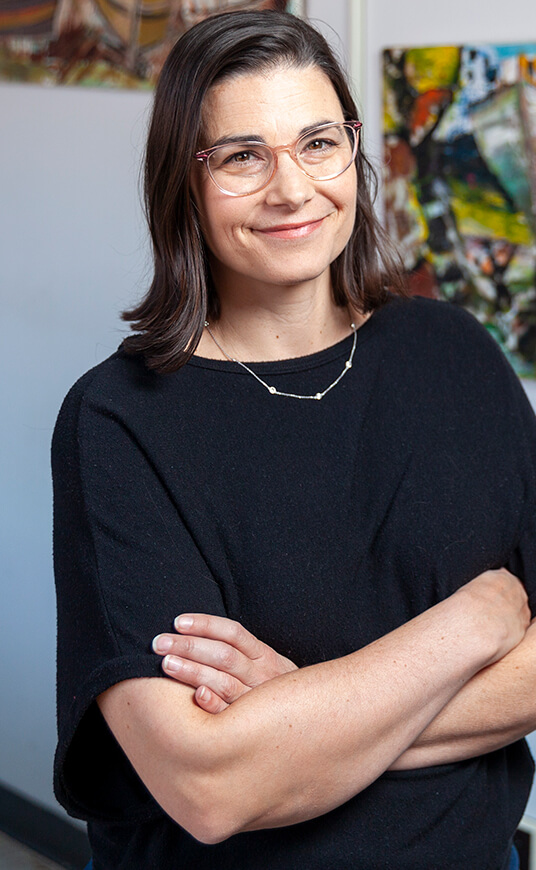
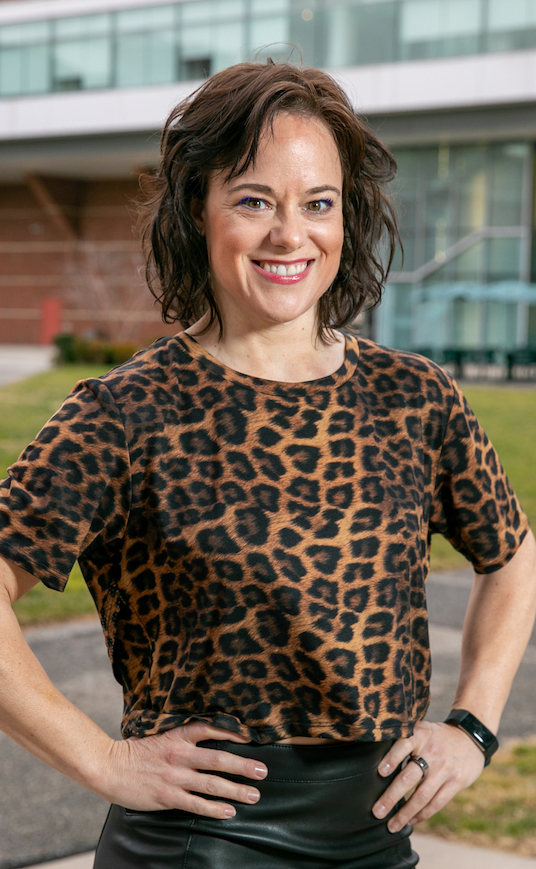
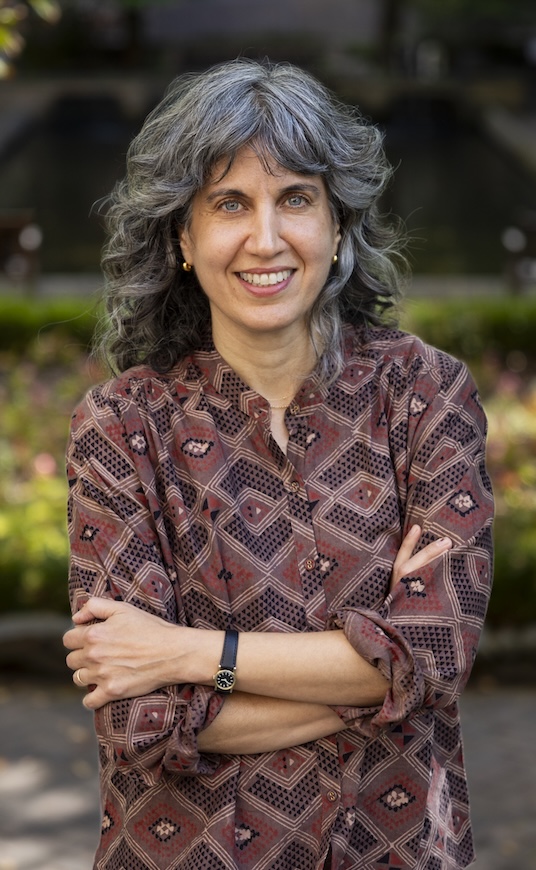
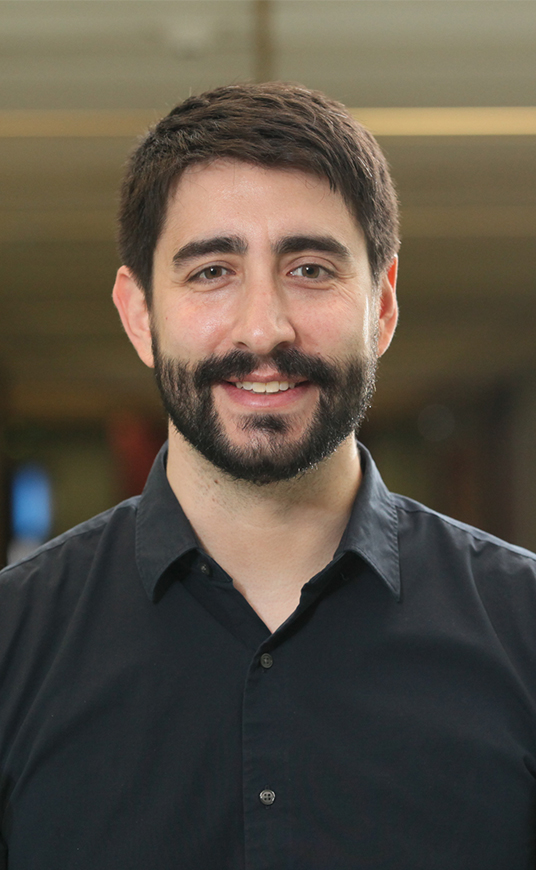
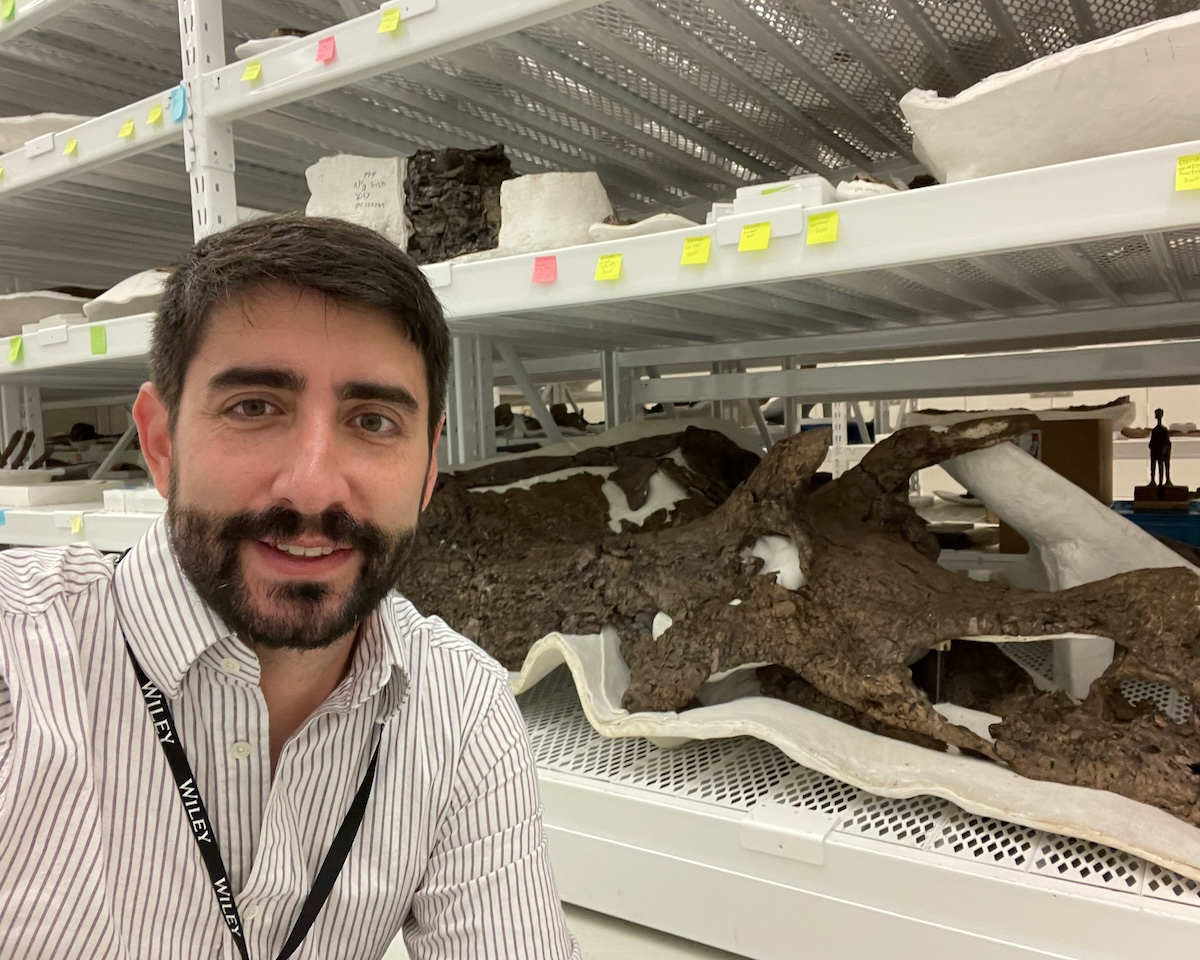
Brooklyn College is an integral part of the cultural and artistic energy of New York City. Our faculty members in the Department of Anthropology offer incomparable expertise and tremendous talent, and each brings a unique perspective to their teaching and mentoring in and out of the classroom.
Internships and Employers
Through job fairs, the internship database, and internship panels, the Magner Career Center gives students in the anthropology B.A. program access to career opportunities at a wide variety of employers, including:
- American Anthropological Association
- American Museum of Natural History
- Grand Street Settlement
- Memorial Sloan Kettering
- Safe Horizon
- State Forest Service
- SUNY
- The Tenement Museum
- UNICEF
- United Nations
- Volunteers of America
- WNET-PBS