Mathematics, B.A.
School of Natural and Behavioral Sciences
Program Overview
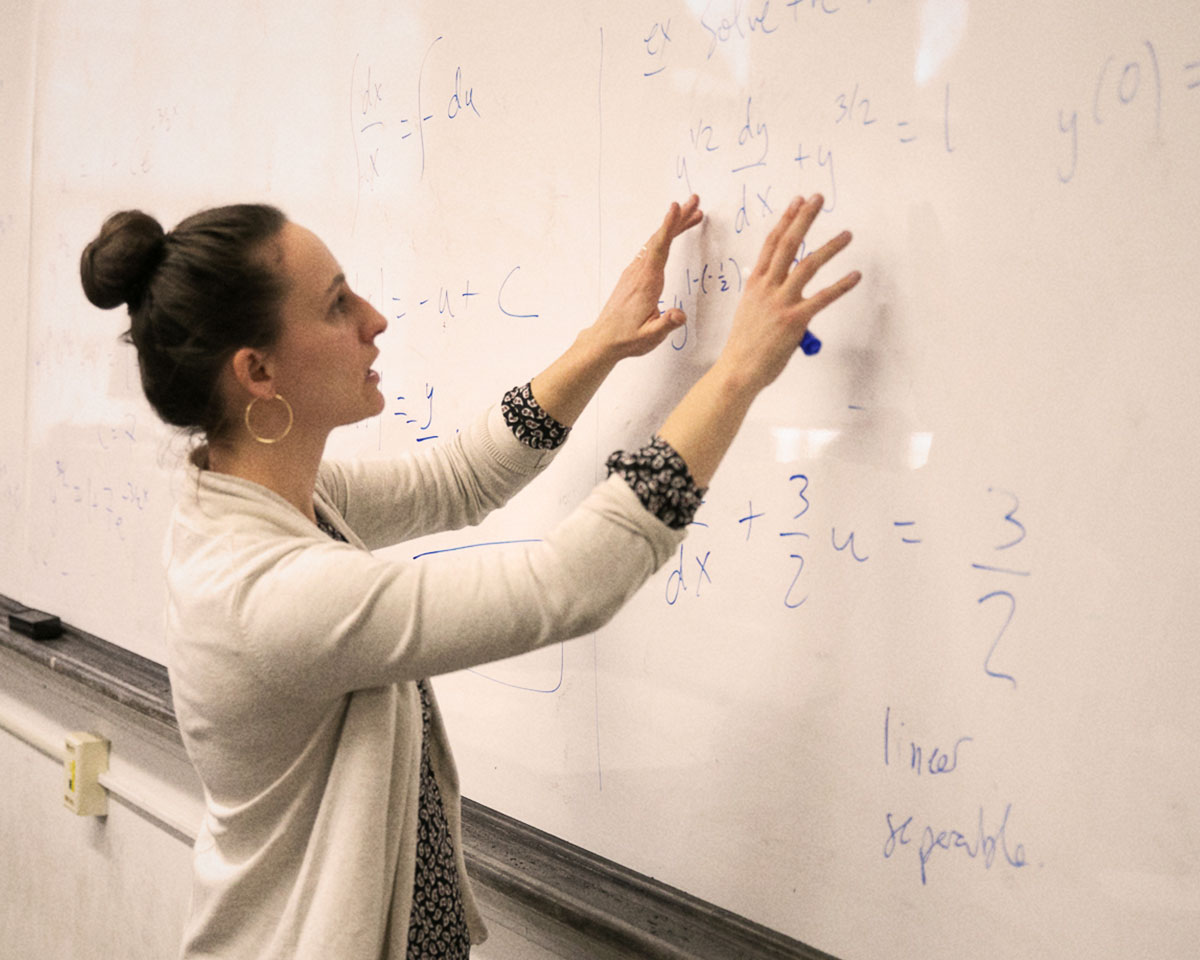
As a mathematics student, you will increase your computational facility, enhance your ability to apply mathematics to real-world problems, and develop an appreciation for the abstract structures and reasoning at the heart of mathematics. You’ll also have the opportunity to gain experience with current mathematical software and technology, study computational mathematics, and develop expertise in financial mathematics. Whether you are interested in the natural sciences, actuarial science, computer science, engineering, economics, or finance, your knowledge of pure or applied mathematics is a critical—and very desirable—asset.
Major Details
The program information listed here reflects the approved curriculum for the 2025–26 academic year per the Brooklyn College Bulletin. Bulletins from past academic years can be found here.
Major Requirements (37–44 Credits)
NYSED Program Code: 02064
To enroll in any advanced course in mathematics, students must maintain an average grade of C or higher in all courses previously taken in the department, unless this requirement is waived by the chairperson. A student exempt, without credit, from a course may not take the course later for credit except with permission of the chairperson. Mathematics B.A. majors must complete a minimum of 28 credits in advanced courses for the degree. All mathematics courses offered to satisfy the requirements for a major in mathematics must be completed with a grade of C- or higher. Unless otherwise specified in this bulletin, any mathematics courses used to satisfy a prerequisite for an advanced elective must be completed with a grade of C- or higher.
The department chair, with the approval of the chair of the department’s undergraduate curriculum committee, may allow substitutions for one or more of these requirements consistent with the educational goals of the program.
Mathematics 1006 and one of Mathematics 1011 or Mathematics 1012. Completion of some or all of these courses may be waived conditional on the outcome of appropriate placement exams.
Mathematics 1201, 1206, and 2201. Transfer students may also need to take Mathematics 1211; see the Mathematics Department chair.
Mathematics 2001, 2101, 3101 and 4201.
Two of the following: Mathematics 4101, 4106, 4206, 2206 and 4211, 4216, 4302, 4306, 3501 and 4501, 4506, 3501 and 4511, 2206 and 4701.
Computer and Information Science 1115 or 1215
Additional courses in the Mathematics Department to bring the total number of credits in advanced courses to 28.
Majors should consult with a Mathematics Department counselor concerning substitutions for core science courses.
Prospective doctoral students should develop reading competence in at least one of the following languages: French, German, Russian.
Department Recommendation
Majors should consult with a Mathematics Department counselor concerning substitutions for core science courses.
Prospective doctoral students should develop reading competence in at least one of the following languages: French, German, Russian.
Student Learning Outcomes
Students will:
- Demonstrate an understanding of fundamental mathematical subjects, including calculus and linear algebra, as well as advanced topics, including abstract algebra and real analysis.
- Understand the significance of central mathematical theorems and their applications, and explore the consequences of a general mathematical result in concrete situations.
- Develop abstract mathematical thinking, construct formal mathematical proofs, and demonstrate an ability to validate mathematical statements.
- Be able to apply mathematical reasoning to formulate and solve problems in pure and applied mathematics.
- Communicate effectively mathematical concepts, proofs, and results, both orally and in writing.
Degree MapS
To help you pursue your studies in the most efficient manner, and to maximize your efforts to graduate in four years, Brooklyn College has created four-year degree maps for all its majors.
View degree maps for this major and others.
The Support You’ll Find
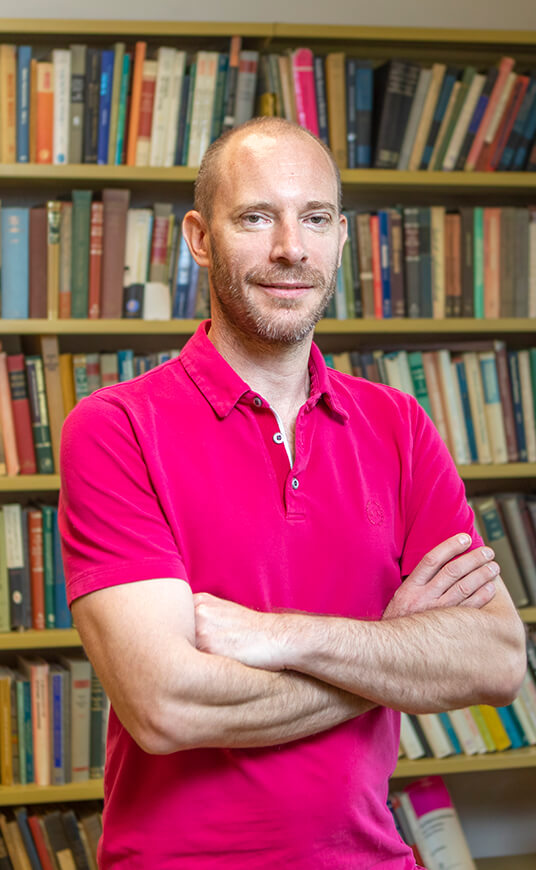
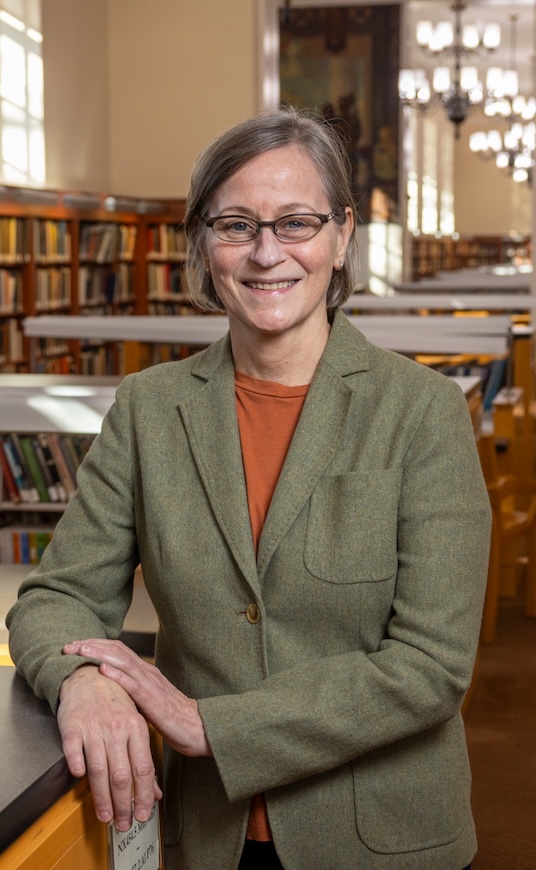
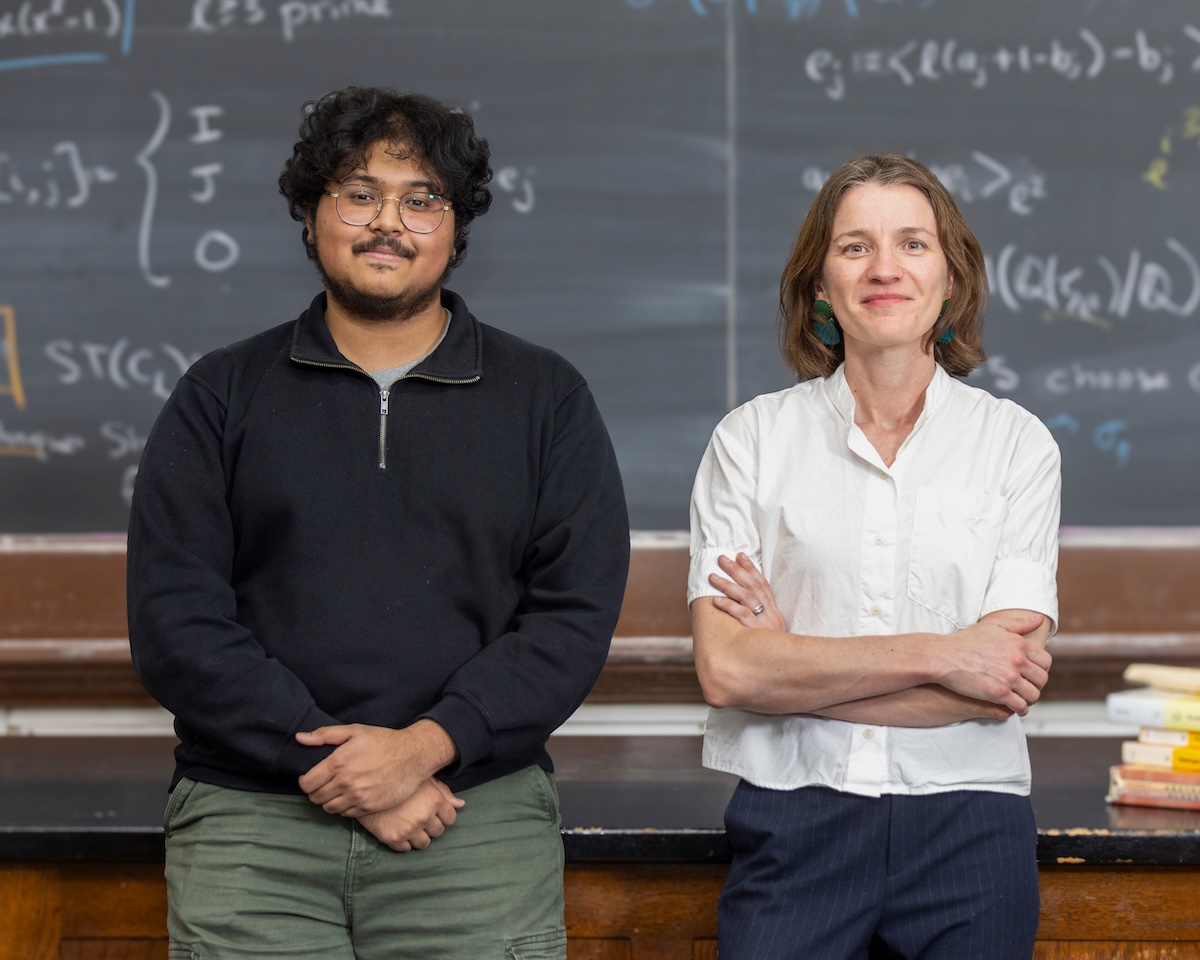
Brooklyn College is an integral part of the cultural and artistic energy of New York City. Our faculty members in Mathematics offer incomparable expertise and tremendous talent, and each brings a unique perspective to their teaching and mentoring in and out of the classroom.




Internships and Employers
Through job fairs, the internship database, and internship panels, the Magner Career Center gives students in the mathematics B.A. program access to career opportunities at a wide variety of employers, including:
- Goldman Sachs
- Guardian Insurance
- Hofstra University
- JP Morgan
- LifeSci NYC
- New York City
- PricewaterhouseCoopers
- SUNY Downstate Medical Center