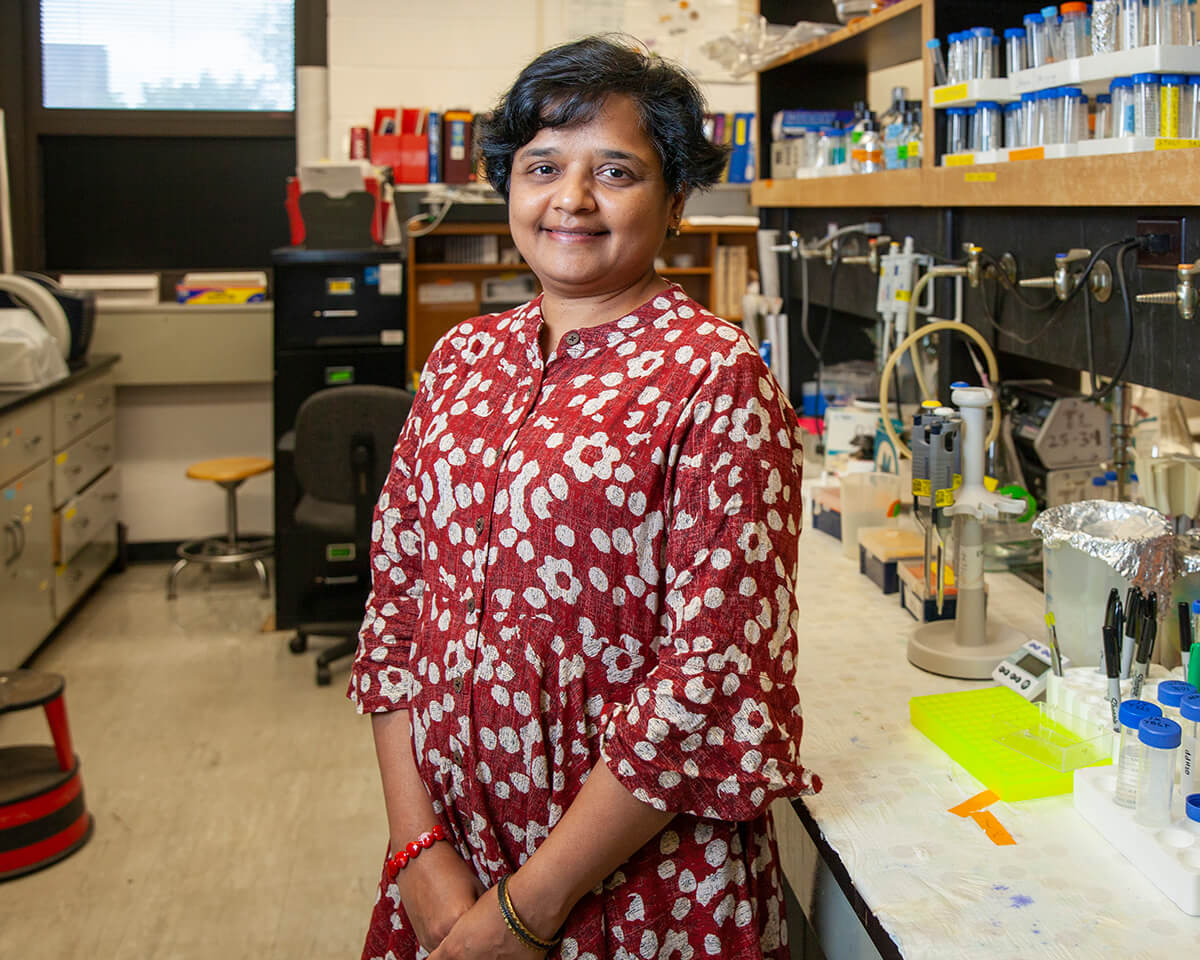
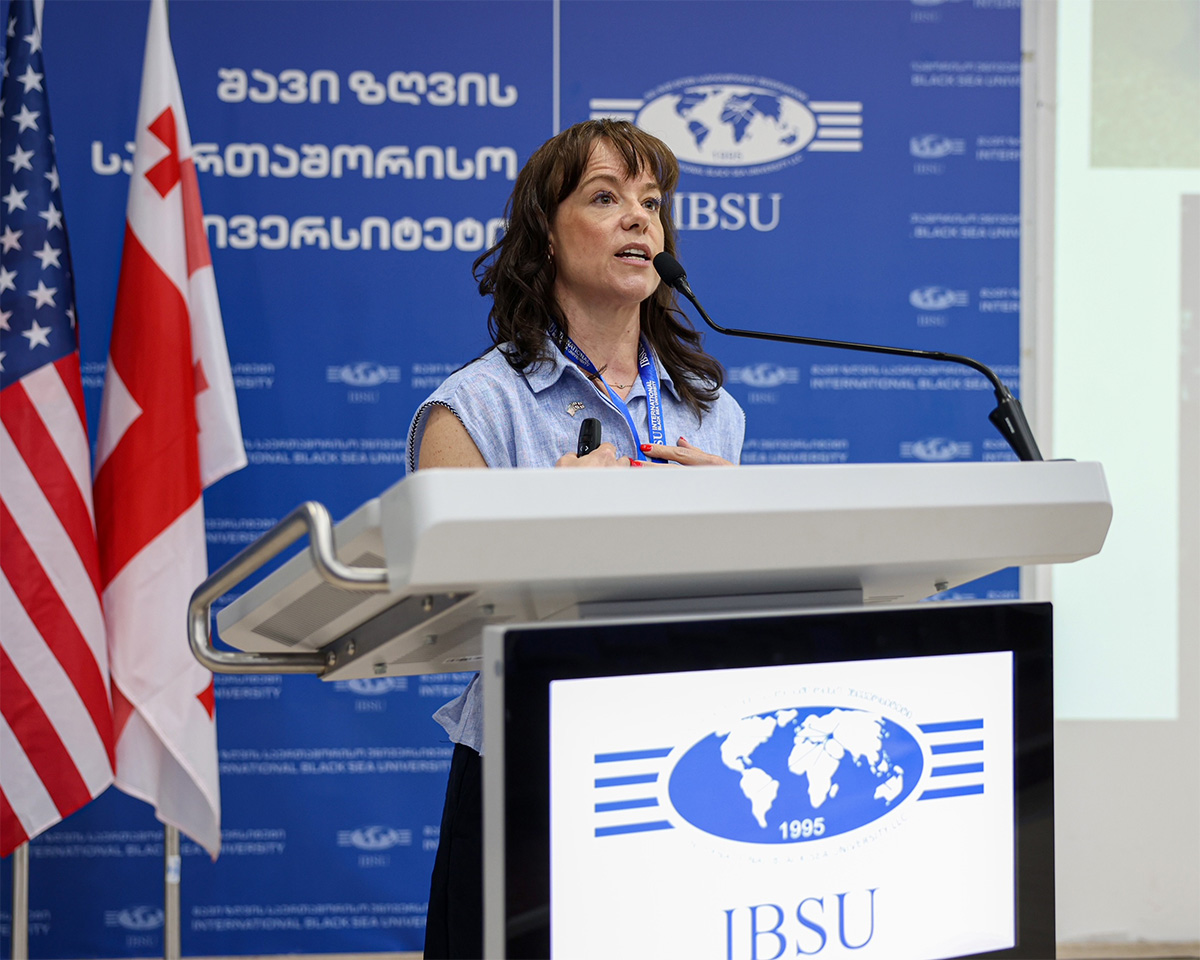
Brooklyn College is proud to announce that Professor of Anthropology Katie Rose (Katherine) Hejtmanek served as a keynote speaker at the 16th International Research Conference on Education, Language, and Literature on May 15 in Tbilisi, Georgia. The invitation was part of her ongoing Fulbright Program award, recognizing her global contributions to anthropology, education, and embodied learning.
In her keynote address, which is part of her Fulbright Award work, Hejtmanek challenged conventional ideas about where and how learning happens, asking: What can we learn from the gym, sports, or even life in mental institutions? What cultural and linguistic knowledge emerges in spaces not typically considered sites of education?
Drawing on more than two decades of anthropological research, Hejtmanek argues that learning is not solely a cognitive process but an embodied one deeply connected to movement, emotion, and culture. Her work spans diverse environments, from observing healing practices among youth in mental health institutions to examining transformation and skill-building within CrossFit communities, and studying the role of physical activity in well-being during COVID-19 lockdowns.
Her research consistently points to a central insight: Movement is fundamental to both learning and living well.
Hejtmanek has also pioneered innovative approaches to teaching and scholarship. At the 2019 American Anthropological Association meetings, she organized an immersive “installation” that replaced traditional academic panels with movement-based learning. Participants engaged physically with concepts such as resistance, gender norms, and strength, embodying the theories under discussion. She later expanded this model at the University of Notre Dame’s Strong A(s) F(eminist) Conference, where participants learned through hands-on physical practices in athletic training spaces.
Bringing these ideas into the classroom, Hejtmanek’s spring 2025 anthropology course required students to pair academic readings with regular physical practices—ranging from walking and yoga to cooking and archery—alongside reflective journaling. The results were striking: Many students reported deeper engagement with course material and described the experience as transformative.