
Perinatal Mental Health Initiative
Support Mothers Strengthen Families transform Futures
Brooklyn College’s Integrated Care Model for Perinatal Mental Health Initiative is a comprehensive academic and community-based effort that addresses New York City’s maternal mental health crisis and expands access to culturally responsive care in under-resourced communities.

Current Conditions
Perinatal mental health conditions are the leading cause of pregnancy-associated deaths in New York City, disproportionately affecting Black and under-resourced communities. In Brooklyn and the Bronx, Black and Brown communities experience pregnancy-related mortality at rates approximately nine times higher than white communities, driven in large part by untreated mental health conditions rather than obstetric complications alone.

A Community-Centered Solution
At the core of the Integrated Care Model for Perinatal Mental Health Initiative is Brooklyn College’s planned Advanced Certificate in Perinatal Mental Health, a one-year, online, credit-bearing graduate program. No comparable credit-bearing certificate program exists in the New York metropolitan area. Designed for professionals across perinatal and early childhood systems, the program will include six graduate level courses, ongoing reflective supervision, and 120 hours of supervised perinatal mental health clinical training. It will focus on PMADs, substance use disorders, social determinants of health, and cultural humility.
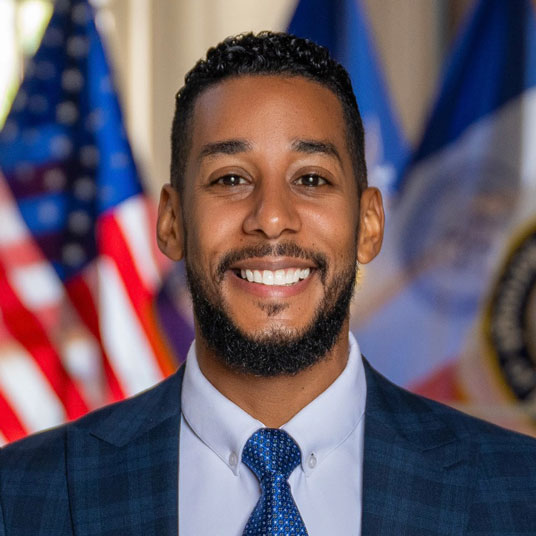
If we’re going to make Brooklyn the safest place to have a baby, we have to prioritize new and expecting parents’ mental health. Mental health conditions are the leading cause of pregnancy-associated deaths in New York City, and it’s exciting to see Brooklyn coming together to change that and improve outcomes.”
Antonio Reynoso
Brooklyn Borough President
Curricular Details
Course Descriptions
ECAE/PSYC 7564G: Social Determinants of Health and Psychological Health Inequities During the Perinatal Period
45 hours, 3 credits
A focus on social determinants of health, including the inequities related to ethnicity, socio-economic status, and gender, and their impact on perinatal mental health. Considerations regarding services provided to individuals from underserved ethnicities, low-income communities, and across the gender spectrum.
ECAE/PSYC 7562G: Parent-Child Dyad Relational Health
45 hours, 3 credits
Foundation of mental health as it relates to the parent-child dyad, beginning prenatally through the first year of life. Consideration given to stress and familial, environmental, and cultural factors that may put the parent-child dyad at risk both in terms of mental and physical health.
ECAE/PSYC 7563G: Biopsychosocial Aspects of the Perinatal Period
45 hours, 3 credits
Topics related to biological, psychological, and social theories and variables related to pre-pregnancy and perinatal periods. Factors affecting the well-being of mothers and families during the childbearing period and the nature and quality of this stage of life (with an emphasis on relationships, culture, diversity issues, socioeconomic status, and trauma).
ECAE/PSYC 7566G: Psychopathological Conditions during the Perinatal Stage
45 hours, 3 credits
Psychological disorders including mood, anxiety, trauma, obsessive compulsive, eating, and substance use disorders that may affect the perinatal stage, with a focus on accurate diagnoses and etiology of such disorders. Incorporation of professional application of diagnostic knowledge, as well as ethical and diversity issues regarding diagnoses.
ECAE/PSYC 7568G: Clinical Assessment and Intervention for Perinatal Mental Health Issues
45 hours, 3 credits
Mental health assessment techniques for the evaluation of psychiatric symptoms with a focus on evidence-based interventions during the perinatal phase. Adaptation of current instruments and/or development of new instruments, with robust evaluation of their psychometric properties.
ECAE/PSYC 7569G: Perinatal Mental Health Practicum
45 hours, 3 credits
Supervised clinical work with perinatal clients in a mental health work setting, which must include 120 overall hours with at least 50 of those hours being direct service counseling hours. A full range of counseling functions will be performed, supervised by college and on-site supervisors.
Featured News
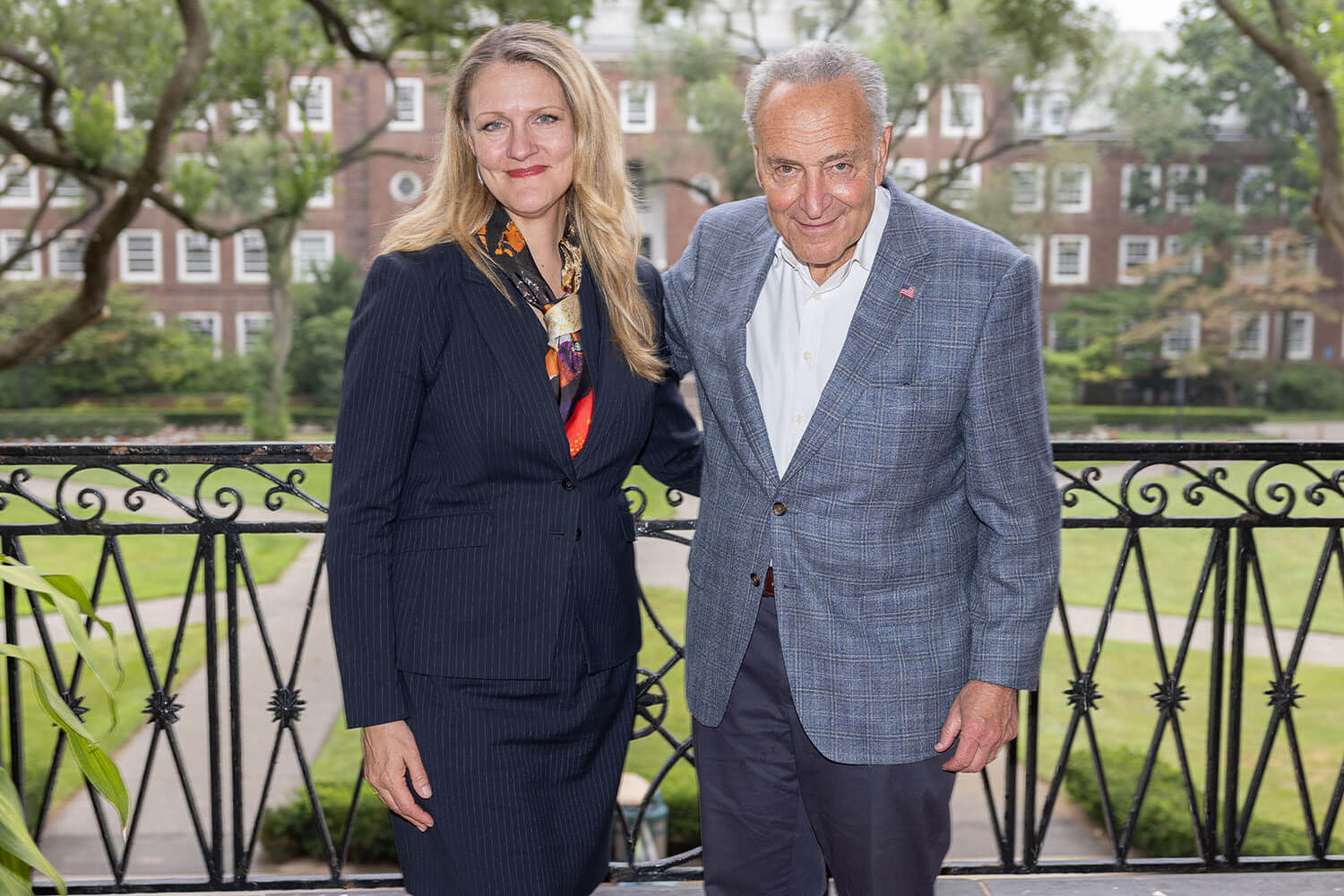
Senator Chuck Schumer Delivers $800,000 Federal Investment to Brooklyn College to Strengthen Perinatal Mental Health Care
Congressional appropriation supports college’s efforts to address perinatal mental health crisis among vulnerable communities.
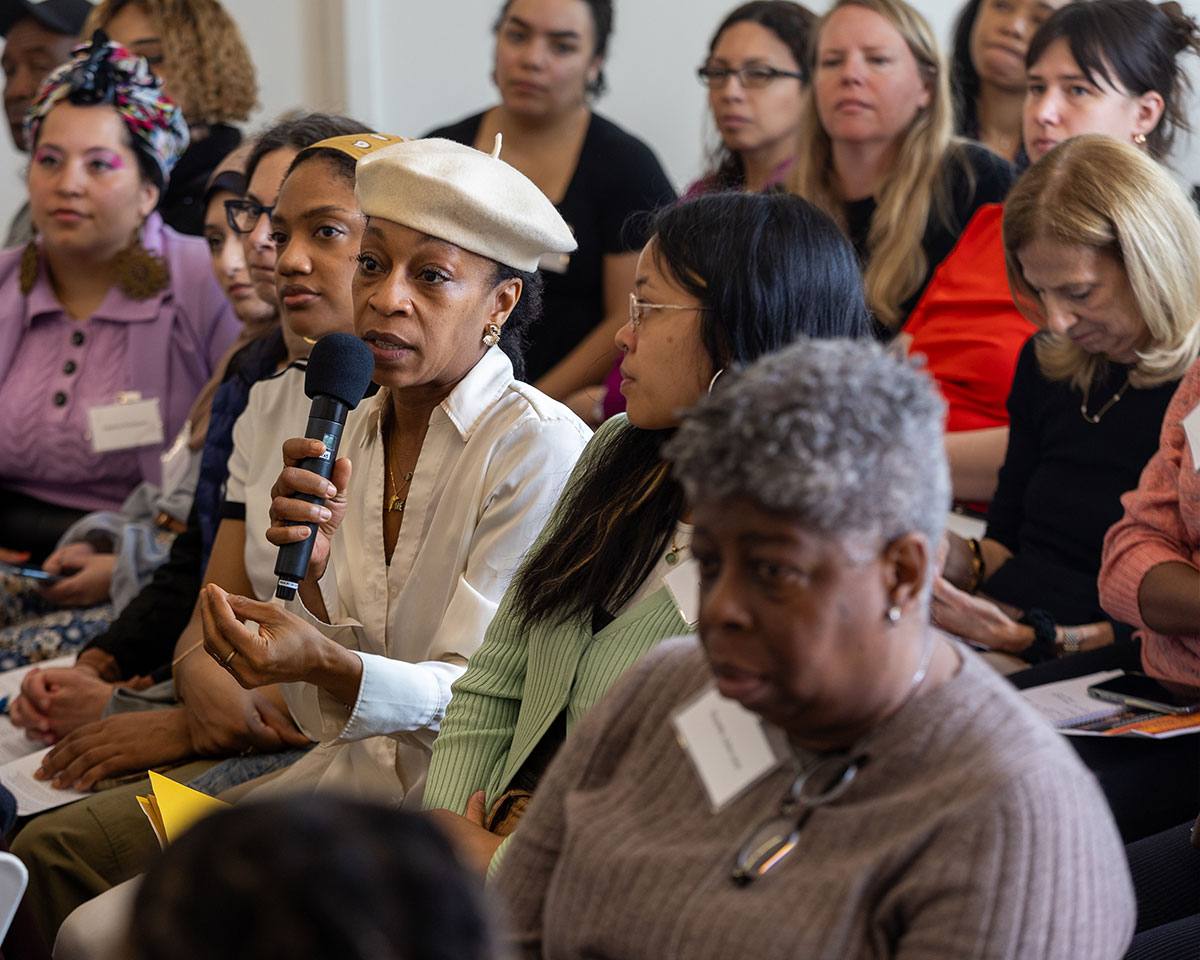
From Classroom to Community
Brooklyn College is advancing maternal and reproductive mental health for all.

Brooklyn College Hosts Inaugural Perinatal Mental Health Summit
The convening in Brownsville, a community deeply impacted by maternal health disparities, brings together perinatal health care professionals, policymakers, and educators.