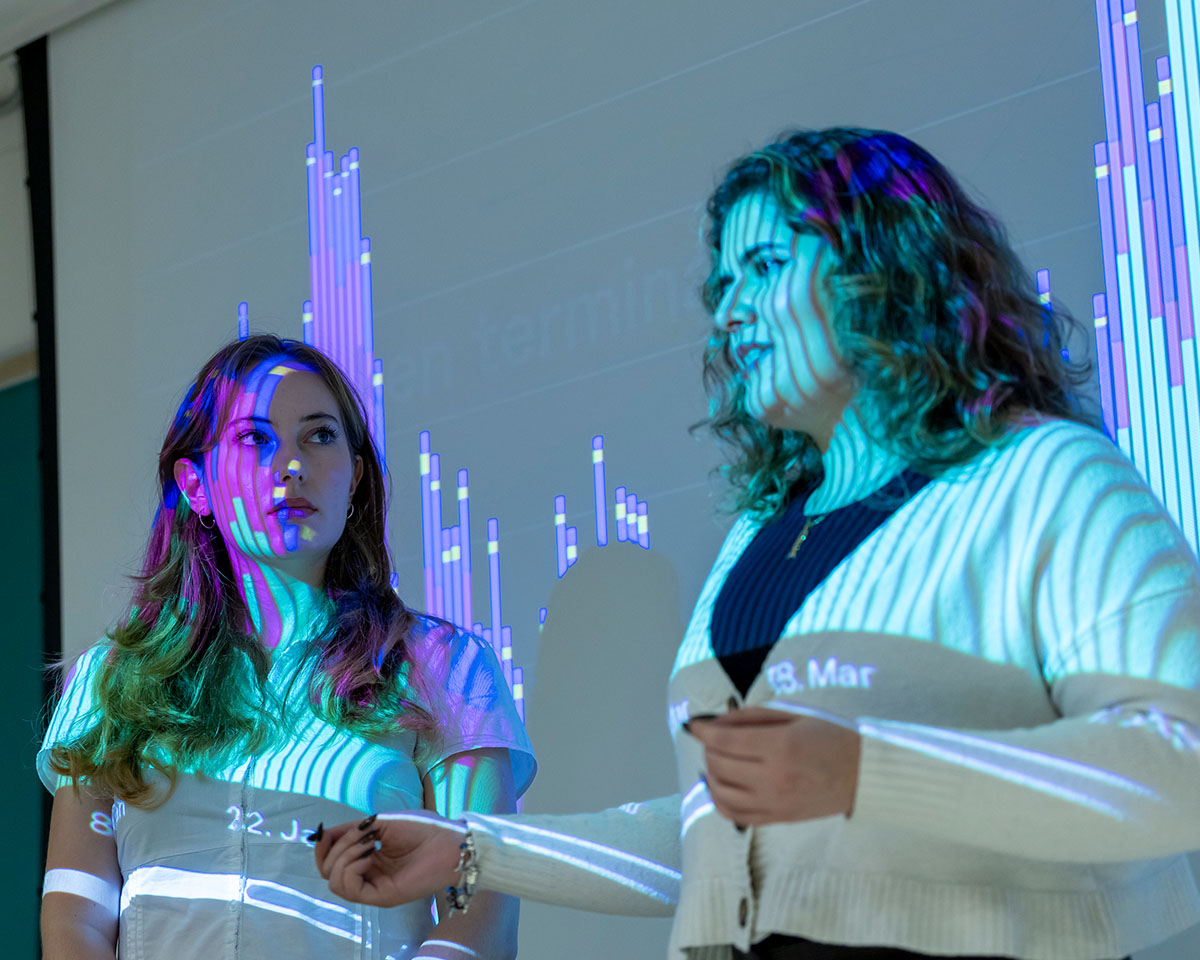
Data analytics students
By fall 2023, about one-quarter of all students—and a significantly higher share of graduate students—were studying fully online. In response, colleges and universities are redesigning degree offerings with adult learners in mind, expanding fully online master’s programs, hybrid course models, accelerated and stackable credentials, and year‑round scheduling that better fits work and family responsibilities.
For Brooklyn College’s graduate students, college is not a beginning, it’s a return.
Students arrive with résumés, responsibilities, and a clear-eyed sense of urgency. They want education that respects their time and opens the door to meaningful work. To meet those realities, we have created a variety of flexible pathways that help adult learners reinvent their careers without putting the rest of their lives on hold.
Across business, education, journalism, and urban sustainability, the college has rolled out and expanded programs that can often be completed in a year, taken online or in the evenings, and closely align with workforce demand. Together, they reflect a strategic shift rooted in Brooklyn College’s long-standing mission of access and rigor, updated for a world of nonlinear careers.
Credentials Built for Working Lives
“We’re seeing students who already have careers, or who started one path and realized it wasn’t right,” says Professor Seungho Baek, who directs the M.S. in Finance program. “They don’t want to start from zero. They want something efficient, rigorous, and directly connected to opportunity.”
That thinking drives the M.S. in Finance, which can be completed in as little as one year and is offered both online and face‑to‑face. Students choose between specializations in quantitative finance and risk management or investment management and asset valuation. The program’s in‑person courses are held at 25 Broadway in Lower Manhattan, a deliberate decision intended to bring working professionals and industry experts into the classroom.
“We wanted to make it easy for people who are already working in the financial sector to participate,” Baek says.
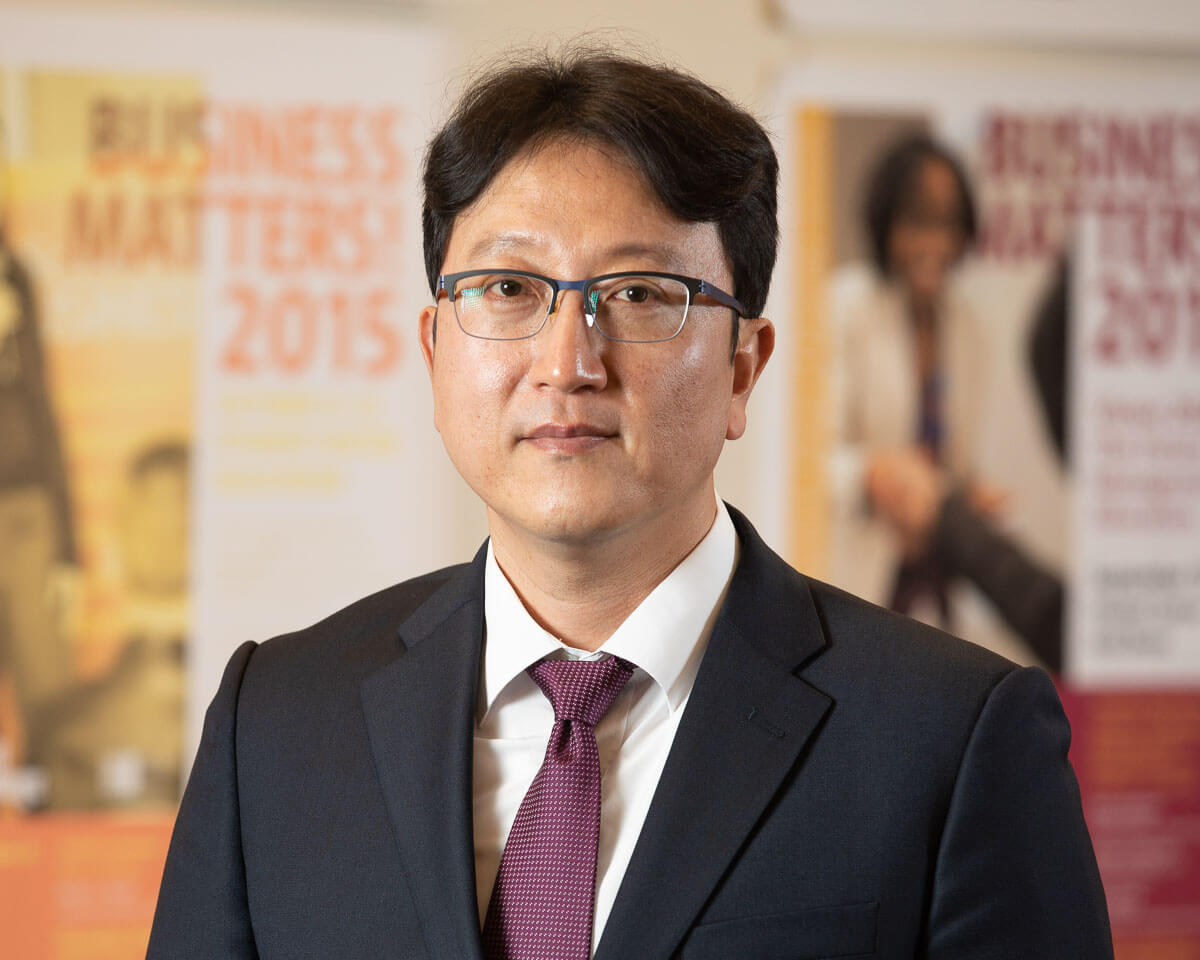
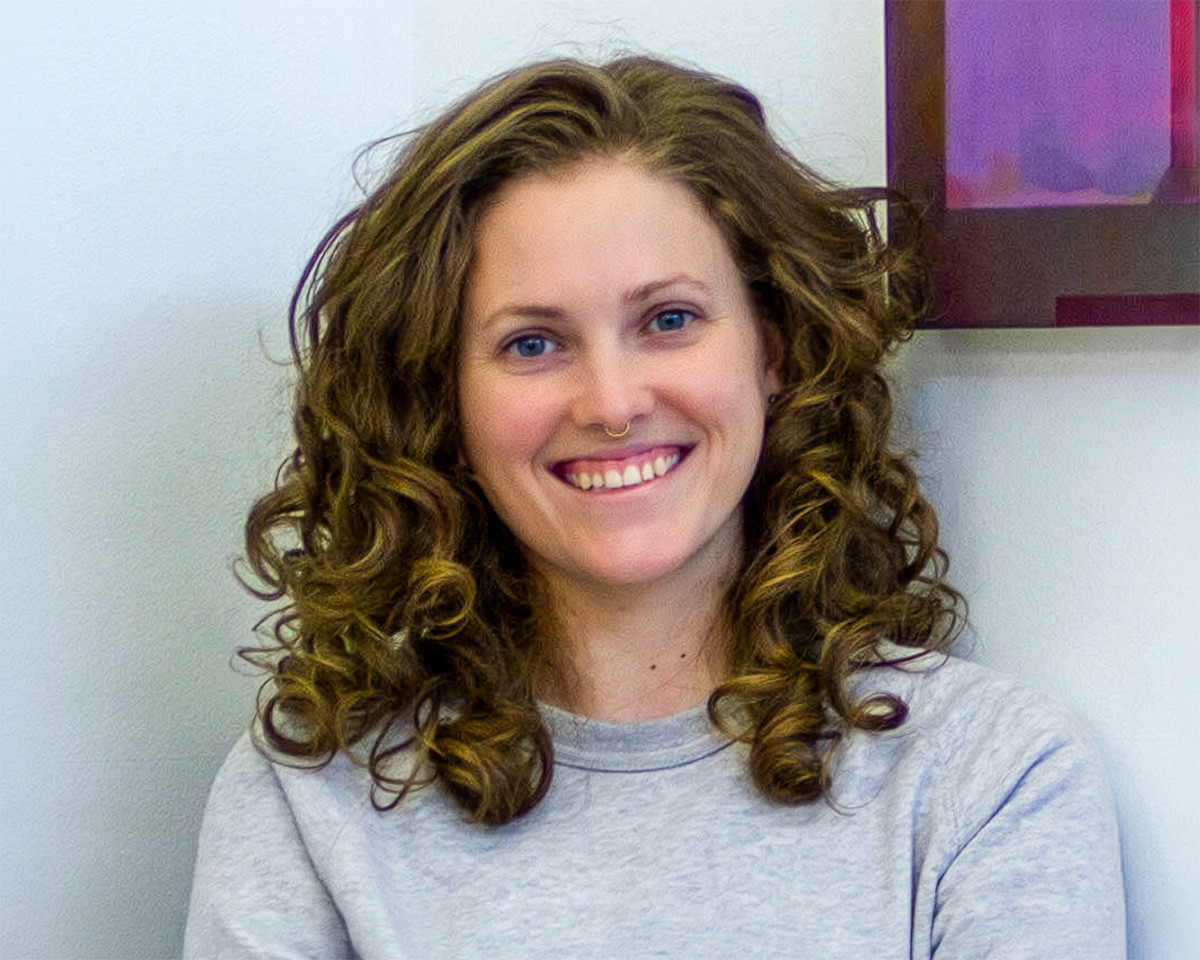
Professor Seungho Baek leads the new finance master’s programs at Brooklyn College.
Industry professionals teach select courses, grounding theory in real‑world practice. Beginning next fall, eligible undergraduates will also be able to opt into a 4+1 pathway in finance, earning both bachelor’s and master’s degrees in five years by taking graduate‑level coursework during their senior year.
The business school has applied the same model to accounting, launching a fully online M.S. in Accounting that can also be completed in a year, an especially appealing option for professionals seeking a credential with clear licensure and career outcomes.
Meeting a Citywide Need, One Teacher at a Time
In education, many graduate students are working professionals for whom flexibility can be the difference between persistence and attrition.
According to María R. Scharrón-del Río, dean of the School of Education, Brooklyn College’s approach has been shaped by both student realities and the urgency of citywide need.
“New York City Public Schools is facing a massive staffing challenge,” she says, pointing to state legislation that will significantly reduce class sizes by 2028. “That means thousands of additional teachers will be needed, far more than the current pipeline can provide.”
Brooklyn College has long partnered with the city through Teaching Fellows programs, but in recent years those pathways have expanded and evolved. New alternative‑certification initiatives, including Ed Prep, are designed to help paraprofessionals and substitute teachers—many already working in classrooms—become certified teachers of record while completing their degrees.
“These are adult learners who know exactly what they’re getting into,” says Roberto Martínez, who oversees the Teaching Fellows and Ed Prep programs. “They’re already in schools. They’re parents. They’re career‑changers looking for stability and meaning.”
A key factor in Brooklyn College’s success, Scharrón-del Río notes, is modality. Brooklyn College was the only CUNY campus to offer its Ed Prep programs fully online (with required in‑person fieldwork), a distinction that quickly translated into demand.
“By word of mouth and because of the quality of our programs,” she says, “we received more applications than all the other CUNY campuses combined.”
The School of Education has also launched a new online advanced certificate program in reading science, designed to be completed in a year. The program responds to growing demand for teachers trained in evidence‑based literacy instruction, particularly in early grades—another area of acute need.
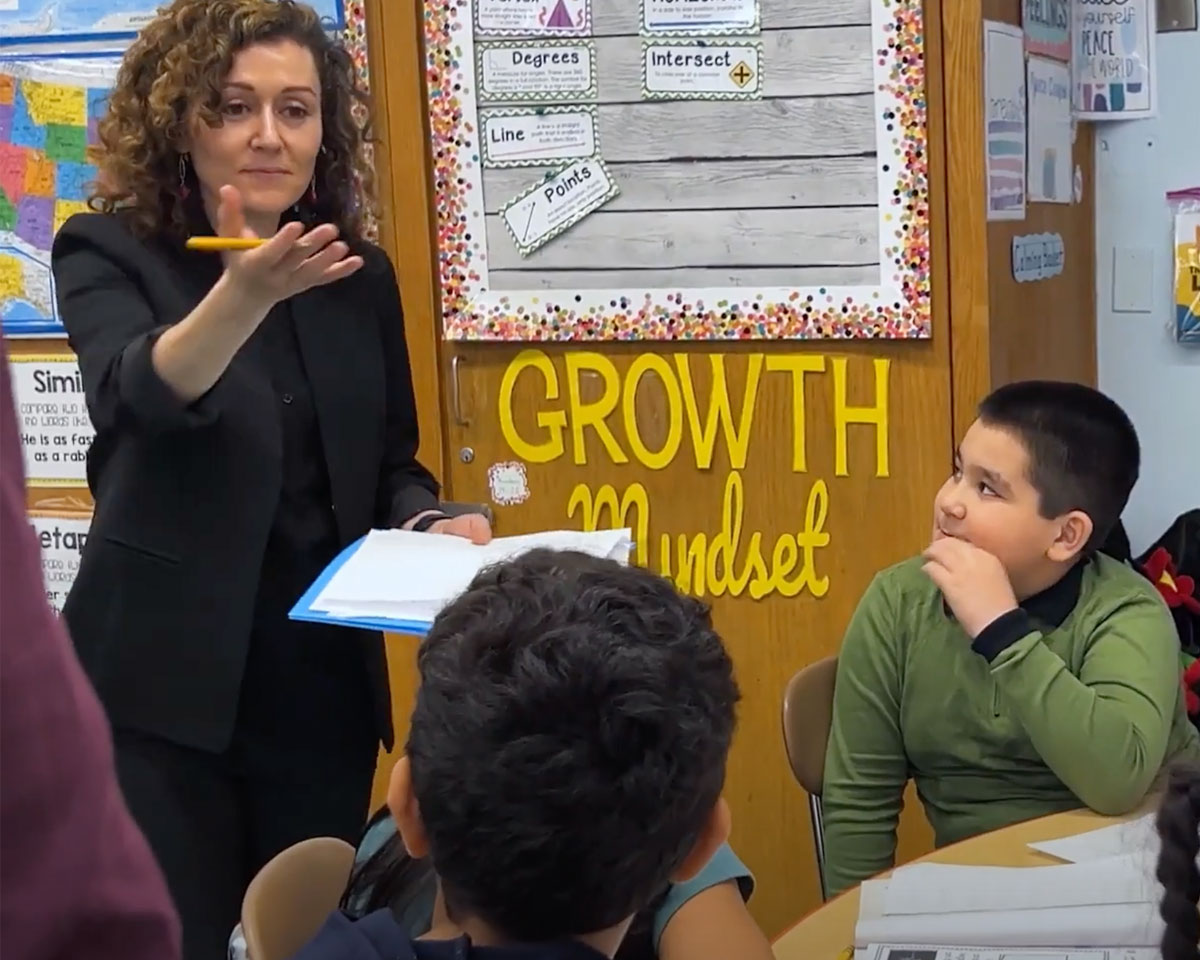
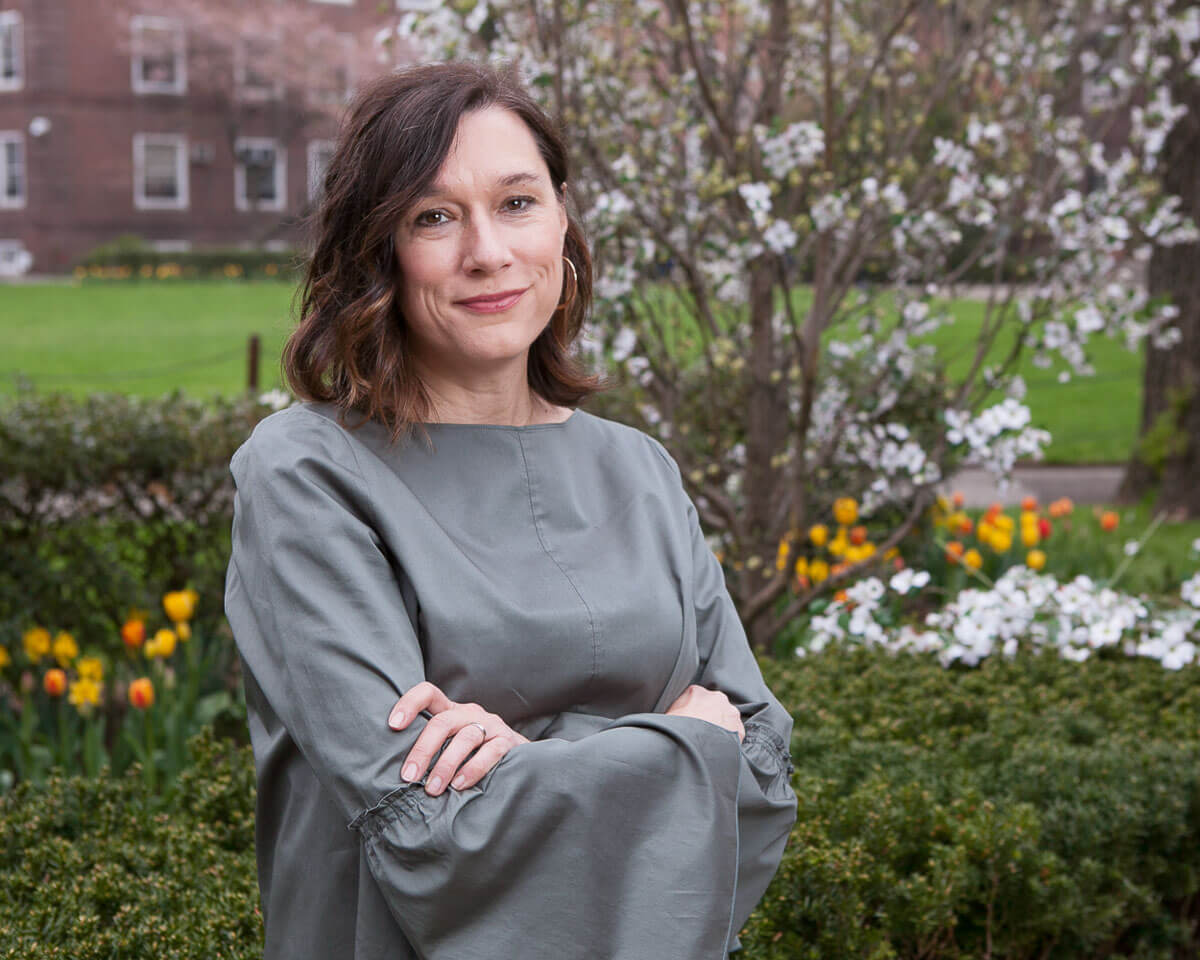
Katie Pace Miles, director of the Reading Science program, which addresses the growing demand for teachers trained in evidence‑based literacy instruction.
The Fast Track to a Master’s
Beyond education and business, Brooklyn College has expanded accelerated options in fields tied to civic life.
A 4+1 in journalism allows students to earn a master’s degree in one additional year, while a newly launched 4+1 partnership in city planning with Baruch College creates a streamlined pathway for Brooklyn College urban sustainability majors to earn a master’s in city planning.
“A lot of our students are returning students,” says Professor Tammy Lewis, who heads the urban sustainability program. “They’re here because this work matters to them. The master’s degree opens up more opportunity.”
Tammy Lewis shown here with students participating in the Tow Mentorship Initiative.
While each program is distinct, the common thread is intentional design: online delivery where possible, evening schedules, accelerated timelines, and curricula shaped in conversation with employers and communities.
Taken together, these programs signal an evolution in how Brooklyn College understands its role—not just as a place of first chances, but of second and third ones, too.
“People are reinventing themselves multiple times now,” Martínez says. “Brooklyn College has always made that possible. We’re just building clearer, more flexible routes to get there.”