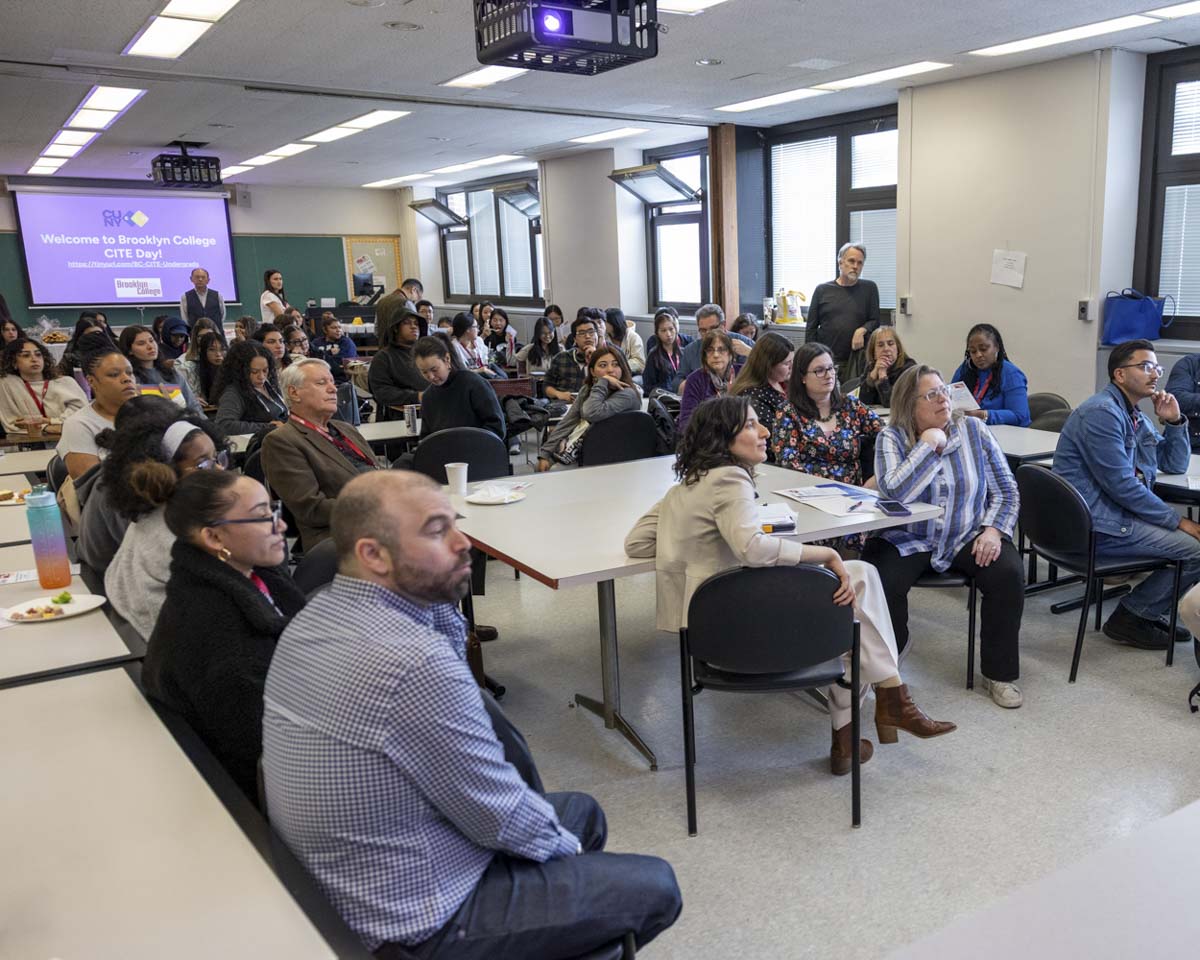
On April 28, Brooklyn College and CUNY came together for “CITE Day” as educators and students convened to showcase how computing, digital literacy, and ethical technology use are being integrated into New York City classrooms.
Hosted in partnership with CUNY’s Computing Integrated Teacher Education (CITE) initiative, the event highlighted the work of the college’s Department of Childhood, Bilingual, and Special Education (CBSE) and the students, faculty, and staff who are at the forefront of preparing teachers to navigate and shape an increasingly digital learning landscape. The event also underscored Brooklyn College’s role in a university-wide strategy to ensure that all future teachers, not only computer science specialists, are equipped to help K–12 students develop computational thinking and digital fluency.
“At Brooklyn College, our students reflect the extraordinary diversity of our borough and our city, and they are preparing to serve Brooklyn’s communities and beyond,” said Brooklyn College President Michelle J. Anderson. “Through our School of Education and the CITE initiative, we are ensuring that future educators are not only comfortable using technology, but are prepared to think critically about how, when, and why technology and data should be used in educational settings—always centering student learning, equity, and well-being.”
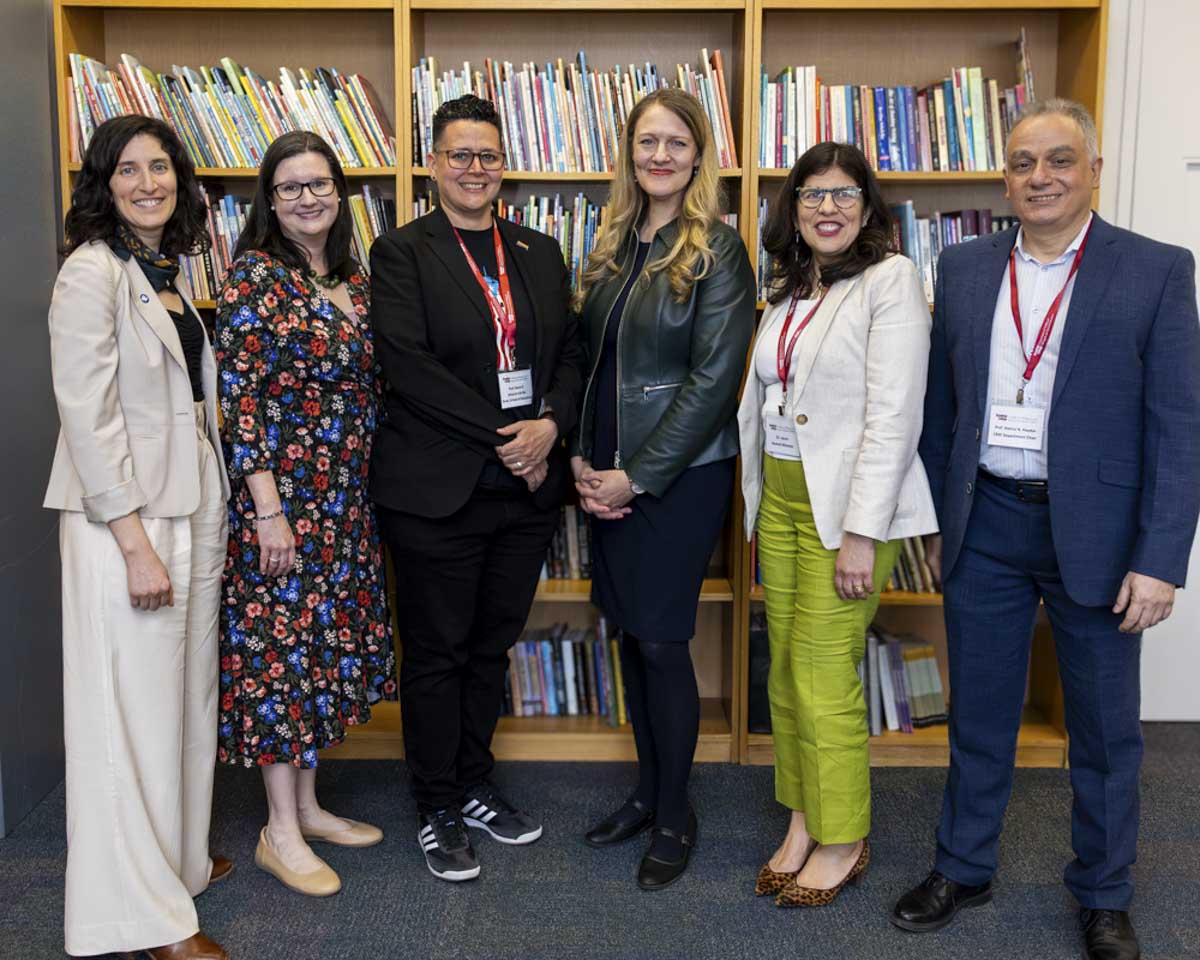
(Left to right) Sara Vogel, Director of Programs and Research for Computing Integrated Teacher Education (CITE) at the City University of New York (CUNY); Ashleigh Thompson, CUNY Dean of Education; María R. Scharrón del Río, Dean of the School of Education at Brooklyn College; Michelle Anderson, President of Brooklyn College; Laura Ascenzi-Moreno, Professor of Bilingual Education & Bilingual Program Coordinator at Brooklyn College; and Hanna Haydar, Chair of the Childhood, Bilingual, and Special Education Department.
“Children growing up today need a foundation in computational thinking and digital literacy just as much as they need reading and math,” said CITE Research Director Sara Vogel, who welcomed attendees. “These skills give young people agency across all careers, industries, and areas of civic life.”
According to research shared at the briefing, 92% of jobs now require digital skills, spanning every sector of the economy. New York State has responded by adopting K–12 standards for computer science and digital fluency, while New York City Public Schools has advanced its CS4All (Computer Science for All) initiative since 2015. At the same time, the rapid rise of generative artificial intelligence has brought both opportunities and new challenges into classrooms.
“AI is just the latest technology our students will encounter,” Vogel said. “What matters is preparing teachers who can help children use these tools responsibly, understand their risks, protect their privacy, and advocate for their communities.”
A Model for Teacher Preparation
Brooklyn College has been engaged in this work since 2021, making it one of the most advanced campuses participating in CITE’s citywide effort. The Childhood, Bilingual, and Special Education (CBSE) Department has redesigned its curriculum from the ground up, weaving computing and digital literacy throughout undergraduate and graduate coursework, from early foundations to clinical practice, making it a model for computing-integrated, equity-centered teacher preparation at the college.
“Our faculty have done an exceptional job reimagining the curriculum by integrating computing skills and digital literacy across courses, in alignment with our School of Education’s conceptual framework,” said María Scharrón-del Río, Dean of the School of Education at Brooklyn College. “This framework centers on collaboration, critical self-reflection, reflective practice, diversity, and social justice,” “The work presented by our students demonstrates not only their mastery of course content but also their commitment to the values at the heart of our mission. As many of our graduates are from Brooklyn and remain in the borough to work, they bring this cutting-edge knowledge directly back to their communities.”
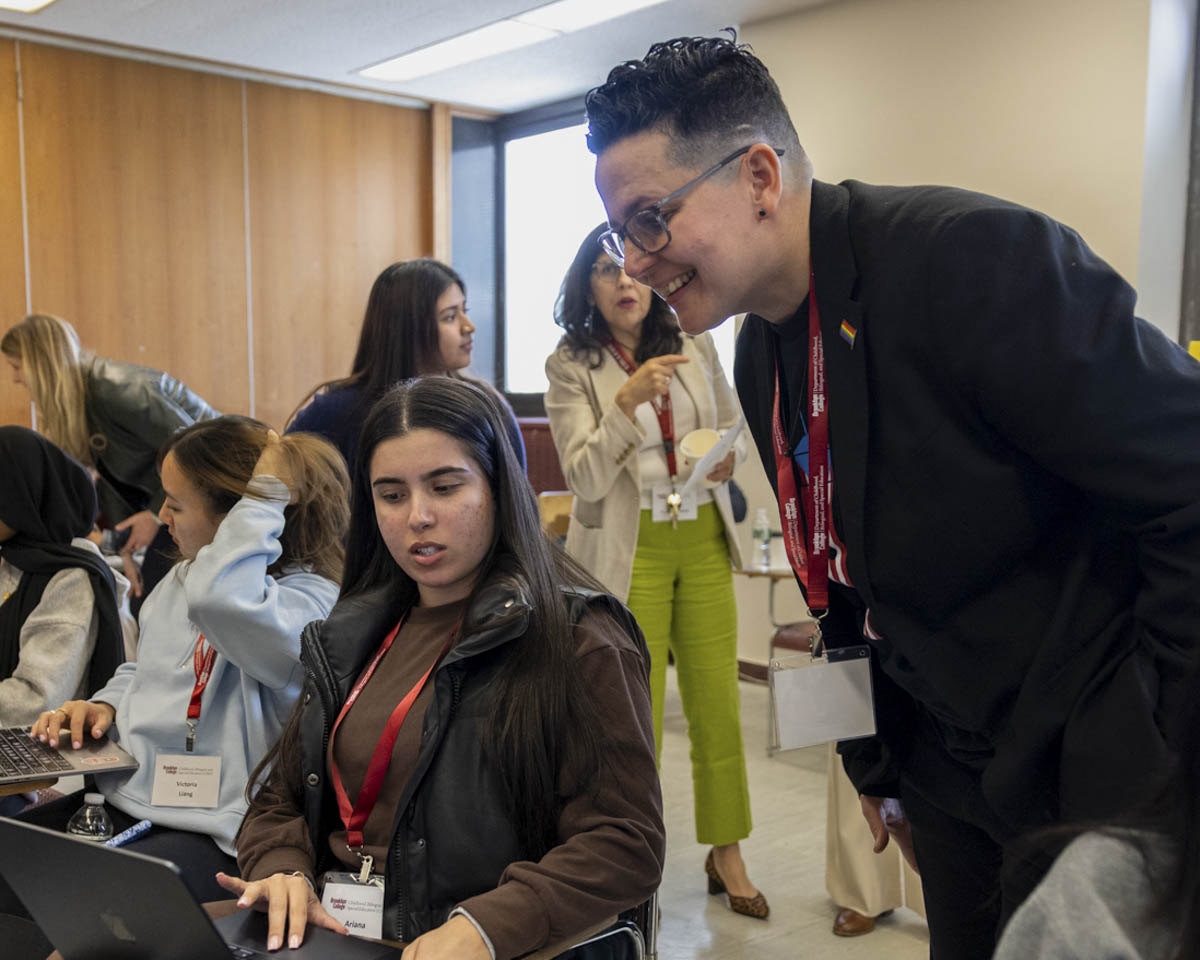
Rather than treating technology as an add-on, faculty have reimagined teacher preparation to reflect how digital tools shape every aspect of teaching: lesson planning, data analysis, family engagement, and classroom instruction.
“This work has revitalized our entire department,” said Professor Laura Ascenzi-Moreno, a faculty leader in the initiative. “Digital literacies and computing are now integrated across every subject area, from the very beginning of the program to the end. We’re preparing teachers who are analytical, reflective, and able to pivot as education continues to change.”
Department Chair Hanna Haydar emphasized that the transformation has been both intentional and organic, growing out of faculty participation in CUNY-wide professional learning through CITE.
“This gave us the structure and support to truly rethink our curriculum,” Haydar said. “What we developed at the undergraduate level is now shaping our graduate programs as well. Our students graduate with confidence—not only in using technology, but in their teaching practice and content knowledge overall.”
The grant has also supported essential faculty development, providing opportunities for intellectual engagement that has strengthened collegiality, fueled research and ensured collaboration across full- and part-time faculty.
Students Learning by Doing
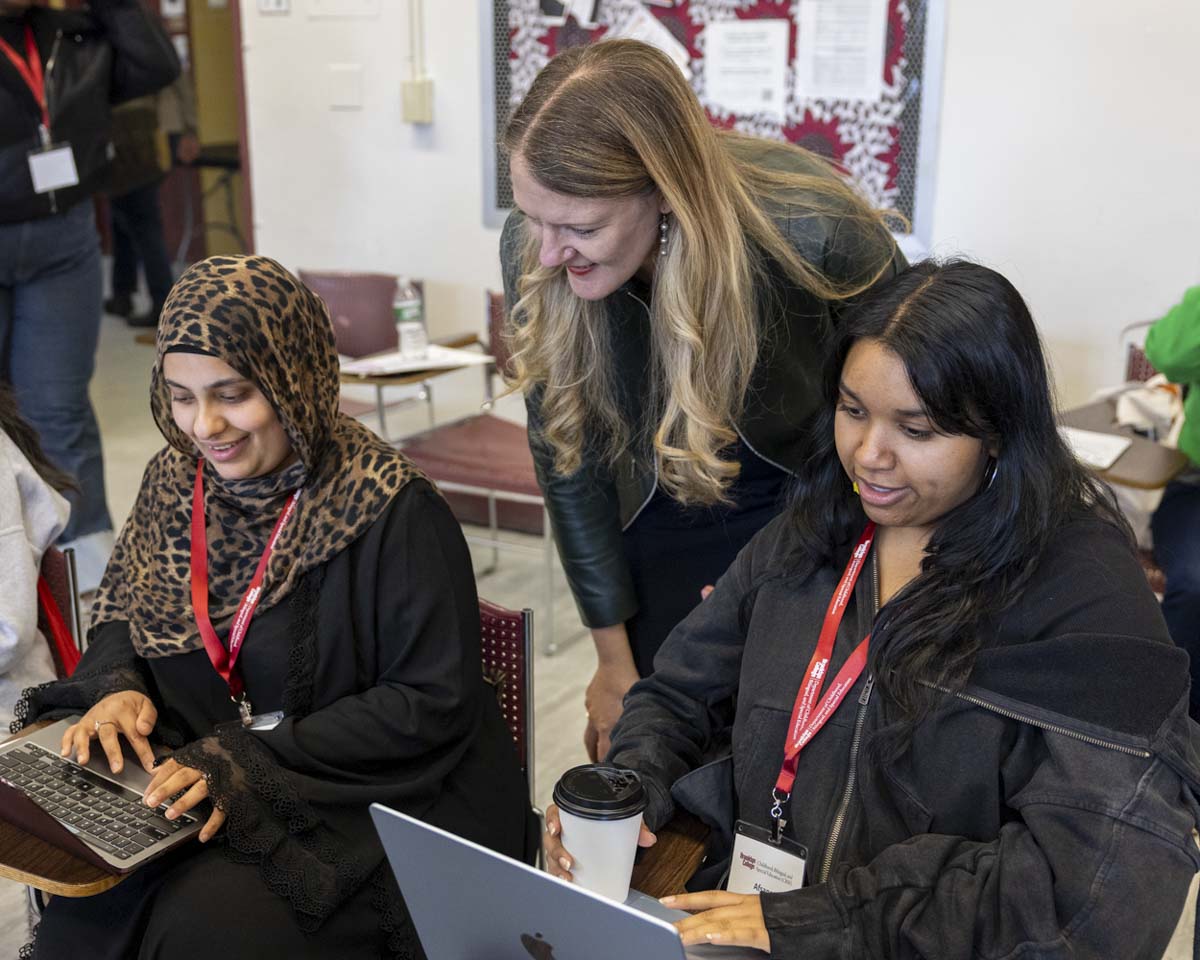
CITE Day was an opportunity for students, faculty, and visitors to engage with CBSE students’ presentations during Undergraduate and Student Teaching Showcases. The CBSE Department also hosted “Faculty Hour,” an opportunity for faculty from other SOE Departments and CUNY Colleges to hear from CBSE professors about their curricular design and research emerging from the CITE Grant.
During two showcases, visitors met Brooklyn College undergraduate and graduate students who are currently student teaching in local schools. Their work demonstrated how computing and digital literacy enhance learning across subject areas.
Student projects included:
- Programming with Ozobots across the content areas
- Development of podcasts about multilingualism
- Programming with Scratch to develop autobiographical portraits
- Examing social media use and comparing digital and traditional reading
- Ethical uses of AI chatbots to support lesson planning
- Games, animations, and digital stories designed to bring math instruction to life
- Professional digital portfolios that strengthen career readiness and classroom reflection
“These are not isolated experiences,” Ascenzi-Moreno noted. “Our students have built skills over time. They’re learning to use technology thoughtfully, creatively, and responsibly—and to model those habits for their future students.”
Citywide and National Impact
Brooklyn College’s efforts are part of a broader CUNY commitment to preparing New York City’s teaching workforce. CUNY enrolls approximately 15,000 teacher candidates each year, more than any other institution in the city. Through CITE, the university is working with more than 1,000 faculty across 15 campuses, with the goal of reaching 12,000 pre-service teachers annually by 2028.
The initiative is closely aligned with and supported by New York City Public Schools, plus a network of external partners and funders, including Google, Gotham Gives, Robin Hood, and the Siegel Family Endowment, as well as advocacy organizations such as the Center for an Urban Future.
“We take our responsibility as the city’s largest preparer of teachers seriously,” Vogel said. “Brooklyn College is helping create the next generation of educators—teachers who can use technology without being used by it, and who can ensure all children, regardless of background or school, are prepared for the digital age.”
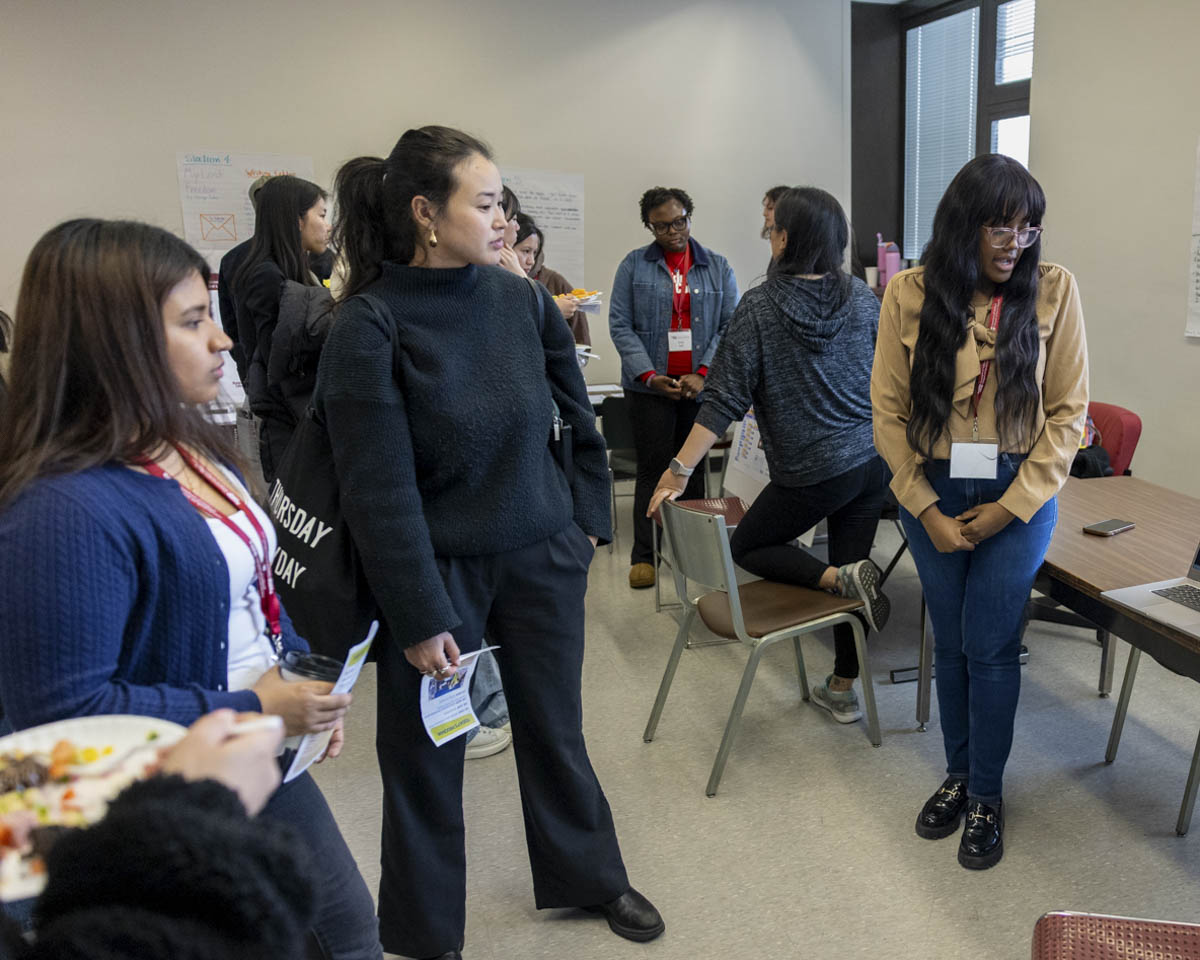
Following the briefing, guests visited classrooms to observe student teachers in action, offering a firsthand look at how Brooklyn College is shaping the future of inclusive, technology-informed education.